Why You Need a Workers' Compensation Lawyer in Atlanta
Atlanta, Georgia, is a vibrant economic hub, a sprawling metropolis characterized by rapid growth, diverse industries, and a constant hum of activity. This dynamism, while fueling prosperity, also inherently contributes to a higher incidence of workplace accidents. From the high-rise construction sites reshaping the city skyline to the intricate logistics networks serving Hartsfield-Jackson Atlanta International Airport, the busiest in the world, and the countless retail, healthcare, and hospitality establishments, Atlanta's bustling environment creates a multitude of scenarios where workers are at risk. The sheer volume of traffic, the constant expansion of infrastructure, and the demands of a 24/7 economy mean that accidents, unfortunately, are an everyday reality for many.
Consider the dense population of Atlanta and its surrounding counties, a workforce constantly on the move, often commuting long distances through congested arteries like I-75, I-85, and I-285. Delivery drivers, sales representatives, and construction workers frequently traverse these dangerous roads, increasing their exposure to vehicle accidents while on the clock. Furthermore, Atlanta's robust manufacturing sector, extensive warehousing and distribution centers, and even office environments pose various hazards, from slips, trips, and falls to repetitive strain injuries and equipment malfunctions. Each year, thousands of hardworking Georgians suffer injuries while performing their job duties, ranging from minor sprains to catastrophic injuries that can permanently alter their lives.
When such an injury occurs, an injured worker in Atlanta faces not only the immediate pain and medical needs but also a daunting administrative and legal battle against well-funded insurance companies. These insurers, while seemingly helpful, are primarily driven by profit motives and often seek to minimize payouts, deny claims, or offer settlements far below what an injured worker truly deserves. Their tactics can be complex, involving delays, requests for excessive documentation, or even attempts to shift blame. Without a deep understanding of Georgia's specific workers' compensation statutes (O.C.G.A. Title 34, Chapter 9), the intricate filing deadlines, and the procedural requirements of the Georgia State Board of Workers' Compensation (SBWC), an injured worker is at a significant disadvantage.
An Atlanta workers' compensation lawyer from AccidentLegalForce.com serves as your essential advocate and guide through this challenging process. We level the playing field, ensuring that your rights are protected from the moment your injury occurs. Our local knowledge of Atlanta's workplaces, medical facilities, and the specific nuances of how claims are handled within the city and state is invaluable. We understand the common pitfalls and aggressive strategies employed by insurance carriers, and we possess the expertise to counter them effectively. From meticulously gathering evidence and filing all necessary paperwork accurately and on time, to aggressively negotiating for your benefits and representing you in hearings, our presence ensures that you are not alone in this fight. We handle the legal complexities so you can focus entirely on your recovery, securing the medical treatment and financial support you need to move forward.
Most Dangerous Roads and Intersections in Atlanta, GA
While workers' compensation primarily covers injuries sustained *at* the workplace, many occupations require employees to travel, turning the public roads and highways into their extended workspace. For these individuals – including delivery drivers, sales professionals, construction crews commuting between sites, and even office workers running errands – vehicle accidents are a significant source of work-related injuries. Atlanta's sprawling network of interstates, state routes, and major boulevards, known for its perpetual congestion and high traffic volumes, unfortunately, includes numerous hotspots notoriously prone to serious collisions. Understanding these dangerous areas is crucial for assessing risk and for building a case should an accident occur while on the job.
The Downtown Connector, where Interstate 75 and Interstate 85 merge through the heart of Atlanta, is arguably the city's most infamous stretch of roadway. With up to 300,000 vehicles traversing it daily, this multi-lane behemoth is a constant scene of slowdowns, aggressive driving, and high-speed crashes, particularly during rush hour. Bottlenecks near major interchanges like I-20 and GA-166 (Langford Parkway) are breeding grounds for rear-end collisions and multi-vehicle pile-ups. Similarly, Interstate 285, often called "The Perimeter," encircling Atlanta, is another high-stakes corridor. Its massive daily traffic volume, coupled with numerous exits and entrances, makes it ripe for accidents. Sections like the interchange with I-85 (Spaghetti Junction) in the northeast, the I-75 interchange in the northwest, and the I-20 interchange on both the east and west sides, are consistently ranked among the most accident-prone locations in the entire state of Georgia. Truck accidents are particularly prevalent on I-285 due to its role as a major logistics artery, posing severe risks to smaller passenger vehicles.
Beyond the interstates, several major Atlanta surface streets and their intersections present significant dangers for workers on the go. Peachtree Street, a central artery running through Midtown and Downtown, experiences heavy pedestrian and vehicular traffic, leading to frequent fender benders, pedestrian accidents, and bicycle collisions. The intersections along Peachtree, especially at 10th Street, 14th Street, and near Five Points, are often congested and pose risks due to rapid lane changes and distracted drivers. Piedmont Road NE, another major north-south thoroughfare, especially between Buckhead and Midtown, is characterized by its numerous commercial entrances, often leading to sudden stops, left-turn accidents, and side-impact collisions. Its intersections with Lenox Road and Roswell Road are particularly problematic.
Further out, Buford Highway, known for its vibrant multicultural businesses, is also notorious for its high accident rates. The mix of high-speed traffic, frequent left turns into businesses, and a diverse range of drivers and pedestrians contributes to a complex and dangerous driving environment. Similarly, US-78 (Stone Mountain Freeway) and GA-400 (North Georgia Tollway), while serving as vital commuter routes, also experience significant accident volumes, especially during peak travel times. The constant flow of traffic, combined with drivers navigating unfamiliar routes or driving under pressure, makes these areas hazardous. For workers whose jobs necessitate travel through these treacherous zones, the risk of a severe work-related vehicle accident is unfortunately ever-present. Documenting the location and circumstances of such an accident is paramount, and an experienced Atlanta workers' compensation lawyer can help connect the dots between your commute or travel for work and your right to compensation.
Georgia Workers' Comp Laws: Statutes, Fault Rules and Deadlines
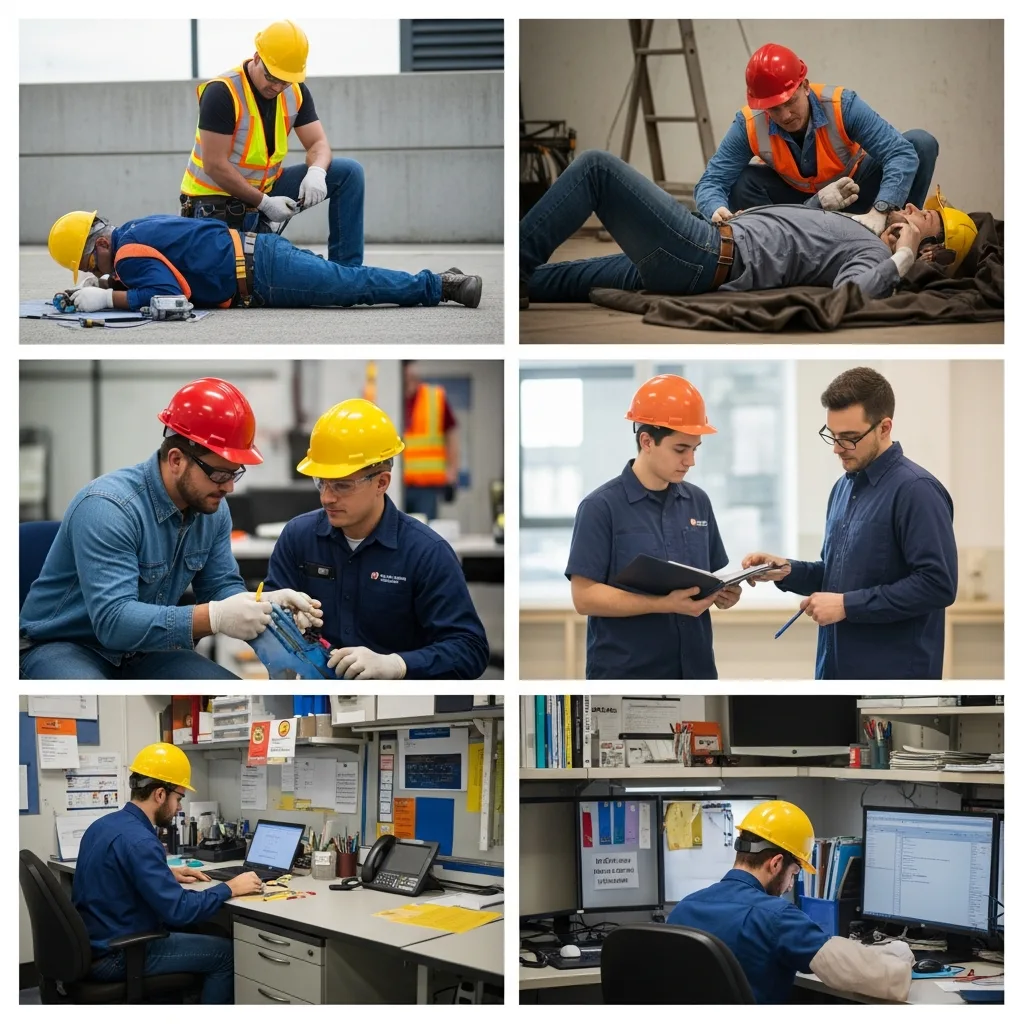
Understanding the intricate framework of Georgia's workers' compensation laws is paramount for any injured worker seeking justice and appropriate benefits. The Georgia Workers' Compensation Act, primarily codified under O.C.G.A. Title 34, Chapter 9, governs all aspects of workplace injury claims in the state. Unlike traditional personal injury claims where fault is a central determinant, Georgia's workers' compensation system operates on a "no-fault" basis. This means that generally, an injured worker does not need to prove their employer was negligent or at fault for the accident to receive benefits. If the injury or illness arose out of and in the course of employment, it is typically covered, regardless of who was responsible. However, this "no-fault" system comes with specific rules and deadlines that, if missed, can jeopardize an entire claim.
One of the most critical aspects to grasp is the statute of limitations. In Georgia, an injured worker generally has one year from the date of the accident to file a Form WC-14 (Request for Hearing) with the Georgia State Board of Workers' Compensation (SBWC). Failure to file within this initial year can result in the permanent bar of your claim. There are, however, crucial exceptions to this rule. If the employer has provided authorized medical treatment or paid weekly income benefits (Temporary Total Disability or TTD) for the injury, the statute of limitations can be extended to two years from the date of the last authorized medical treatment or the last payment of indemnity benefits. Additionally, for occupational diseases, the timeline can be more complex, often tied to the date of diagnosis or last exposure. These nuances highlight why prompt legal advice is indispensable; an Atlanta workers' compensation lawyer can ensure all deadlines are met and exceptions are properly applied.
While Georgia workers' comp is a no-fault system, the concept of fault is not entirely absent. An employer or their insurance carrier may attempt to deny a claim if they can prove that the injury was caused by the employee's willful misconduct. Examples of willful misconduct include injuries sustained while under the influence of drugs or alcohol, intentionally self-inflicted injuries, horseplay, or a deliberate refusal to use safety equipment or follow established safety procedures. However, the burden of proof for willful misconduct rests squarely on the employer or insurer, and it can be challenging for them to establish. It's crucial to understand that even if you were partially negligent, it typically does not bar your claim unless it rises to the level of willful misconduct. This contrasts sharply with Georgia's modified comparative fault rule for personal injury lawsuits, where a claimant who is 50% or more at fault cannot recover damages.
Regarding insurance minimums, Georgia law mandates that any employer with three or more employees, whether full-time or part-time, must carry workers' compensation insurance. This ensures that a fund is available to compensate injured workers without placing the direct financial burden solely on the employer. There are some exceptions for agricultural workers and domestic employees, but generally, most businesses in Atlanta are required to comply. The SBWC oversees the administration of these laws, providing forms, regulating insurance carriers, and resolving disputes through hearings and appeals. When an injury occurs, timely reporting to your employer is also critical: you must notify your employer of the injury within 30 days of the accident or diagnosis of an occupational disease. While this notification can be verbal, it is always advisable to provide it in writing and keep a record. Missing this 30-day window, or any of these critical deadlines, can significantly complicate or even outright deny your ability to secure the benefits you desperately need. An Atlanta workers' compensation lawyer ensures compliance and protects your rights at every turn.
Common Injuries from Workers' Comp Accidents in Atlanta
Workplace accidents in Atlanta, given the city's diverse economic landscape, can result in a wide array of injuries, ranging from minor sprains to catastrophic, life-altering conditions. Each type of injury carries its own unique challenges, requiring specific medical treatments, rehabilitation protocols, and often resulting in significant long-term impacts on an individual's health, career, and overall quality of life. Understanding the common types of injuries and their implications is vital for ensuring comprehensive medical care and securing adequate compensation through a workers' compensation claim.
Traumatic Brain Injuries (TBIs) are among the most severe and debilitating injuries sustained in workplace accidents. Falls from heights (common in Atlanta's numerous construction sites), impacts from falling objects, or vehicle accidents involving company vehicles can all lead to TBIs. These injuries can range from mild concussions to severe brain damage, resulting in cognitive impairments (memory loss, difficulty concentrating), emotional disturbances (irritability, depression), sensory issues, and even physical disabilities. The treatment costs for TBIs are astronomical, often involving emergency care, neurosurgery, extensive rehabilitation, and long-term supportive care. The long-term impact can be permanent disability, inability to return to work, and a profound reduction in quality of life, necessitating compensation that reflects these lifelong challenges.
Spinal Cord Injuries (SCIs) are another devastating outcome of workplace incidents, frequently caused by falls, heavy lifting accidents, or direct trauma to the back or neck. These injuries can lead to partial or complete paralysis, chronic pain, loss of sensation, and loss of bodily functions. Like TBIs, SCIs require immediate emergency medical intervention, complex surgeries, and intensive, often lifelong, physical therapy and assistive device costs. The long-term impact includes permanent disability, dependence on caregivers, and a complete overhaul of one's living situation and financial stability. Spinal injuries, even those not involving paralysis, such as herniated discs or pinched nerves, can result in chronic pain and limit mobility, often requiring ongoing injections, therapy, or surgery, significantly affecting an individual's ability to perform their job duties or even daily tasks.
Fractures and broken bones are commonplace in many industries, from construction and manufacturing to retail and logistics. Falls, impacts from heavy machinery, vehicle collisions, or crushing injuries can lead to fractures in limbs, ribs, hips, or the skull. While some fractures heal straightforwardly, others can be complex, requiring multiple surgeries, lengthy immobilization, and extensive physical therapy. Complications such as non-union (failure to heal), infection, or nerve damage can extend recovery times and lead to permanent impairment. The costs associated with orthopedic care, surgical procedures, and rehabilitation can quickly accumulate, and the time away from work for healing can lead to substantial lost wages.
Soft tissue injuries, including sprains, strains, tears to muscles, ligaments, and tendons, are perhaps the most frequently reported workplace injuries. While often perceived as less severe, they can be incredibly painful, debilitating, and prone to chronic issues if not properly treated. Common in repetitive motion tasks, slips and falls, or overexertion, these injuries can affect the back, neck, shoulders (e.g., rotator cuff tears), knees, and wrists (e.g., carpal tunnel syndrome). Treatment can range from rest and physical therapy to injections and surgery. The long-term impact can include chronic pain, reduced range of motion, and a decreased capacity for physical labor, potentially forcing a career change.
Burns are a significant risk in industrial settings, kitchens, and any workplace involving heat, chemicals, or electricity. From minor first-degree burns to life-threatening third and fourth-degree burns, these injuries require specialized medical care, including skin grafts, infection control, and extensive pain management. The long-term consequences can include severe scarring, disfigurement, chronic pain, nerve damage, and psychological trauma. The cost of burn treatment and reconstructive surgeries is incredibly high, and the emotional toll can be profound.
Finally, Post-Traumatic Stress Disorder (PTSD) and other psychological injuries, though less visible, are increasingly recognized as legitimate workers' compensation claims, especially after particularly traumatic workplace incidents such as violent attacks, witnessing a horrific accident, or experiencing a life-threatening event. These conditions can be as debilitating as physical injuries, affecting mental health, sleep, relationships, and the ability to work. Treatment involves therapy and medication, and proving the direct link to a workplace incident requires careful documentation.
The financial burden of treating these injuries can be immense, often extending far beyond initial emergency care to include ongoing specialist visits, prescription medications, rehabilitation therapies (physical, occupational, speech), assistive devices, and psychological counseling. Without proper legal representation, insurance companies frequently attempt to deny or limit coverage for these necessary treatments, leaving injured Atlanta workers to shoulder exorbitant costs. An experienced workers' compensation lawyer understands the full scope of these injuries, their treatment costs, and their long-term impact, ensuring that your claim adequately accounts for every aspect of your recovery.
Compensation Available for Atlanta Workers' Comp Victims
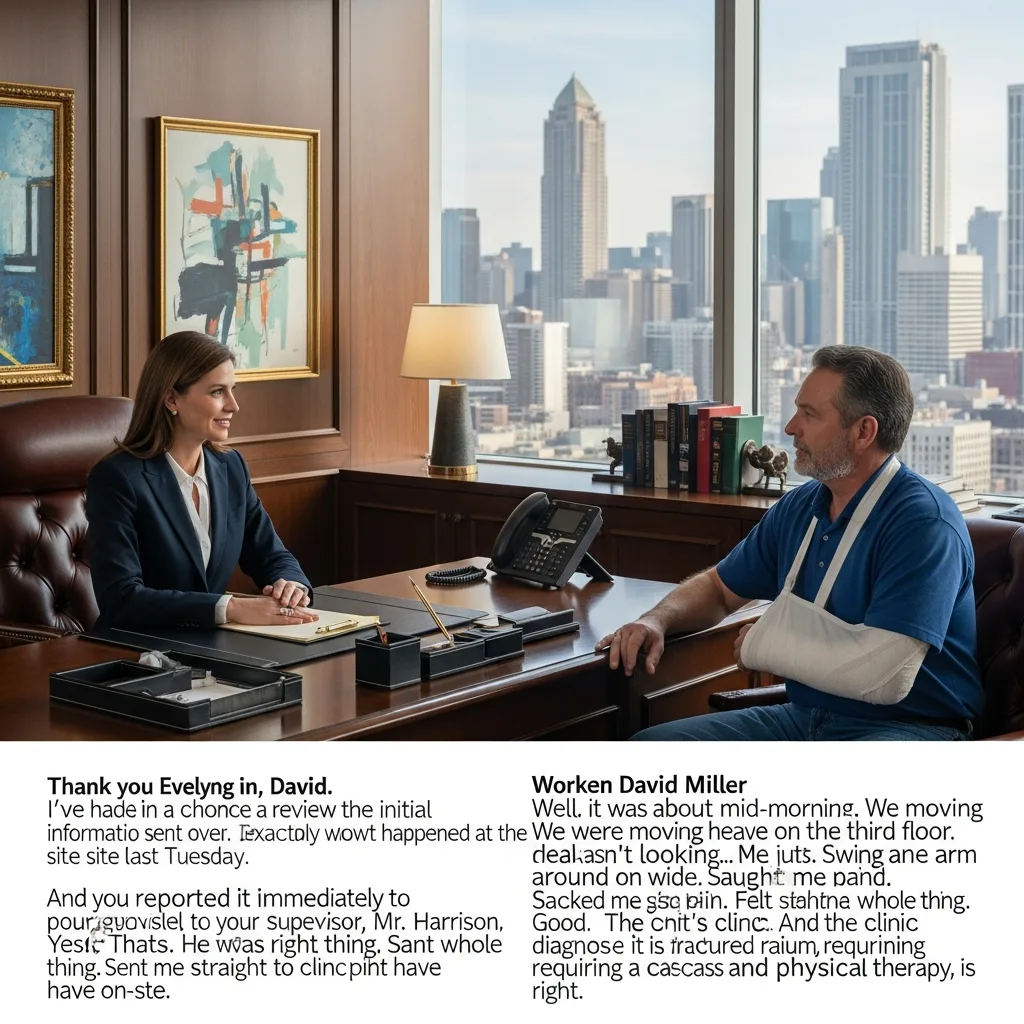
When a worker in Atlanta suffers an injury on the job, the Georgia workers' compensation system is designed to provide specific types of benefits, collectively referred to as compensation. Unlike personal injury lawsuits, which can encompass a broader range of damages, workers' comp benefits are generally limited to economic losses directly related to the workplace injury. It is critical for injured workers to understand precisely what they are entitled to under Georgia law, as this knowledge empowers them to advocate for their rights, especially with the assistance of an experienced Atlanta workers' compensation lawyer.
The primary forms of compensation available to Atlanta workers' comp victims fall under the category of economic damages. These are tangible, quantifiable losses directly resulting from the injury.
1. Medical Expenses: This is arguably the most crucial component. Georgia workers' compensation is designed to cover all necessary and authorized medical treatment related to your work injury. This includes emergency room visits, doctor's appointments, specialist consultations (orthopedists, neurologists, pain management specialists), surgical procedures, prescription medications, diagnostic tests (X-rays, MRIs, CT scans), physical therapy, occupational therapy, rehabilitation services, and even mileage reimbursement for travel to and from medical appointments. It's imperative that all treatment is authorized by the employer/insurer or obtained through the employer-provided panel of physicians, unless a change of physician has been approved by the State Board of Workers' Compensation. Future medical care for permanent conditions is also a key consideration in settlement negotiations.
2. Lost Wages (Income Benefits): If your injury prevents you from working, or significantly limits your ability to earn your pre-injury wage, you may be eligible for income benefits.
- Temporary Total Disability (TTD) Benefits: If your authorized treating physician states you are completely unable to work, you can receive TTD benefits. In Georgia, these benefits are calculated as two-thirds (2/3) of your average weekly wage (AWW) earned in the 13 weeks prior to your injury, subject to a statutory maximum weekly benefit amount set by the Georgia State Board of Workers' Compensation (this amount is adjusted annually). TTD benefits are generally paid for a maximum of 400 weeks for most injuries, though catastrophic injuries can extend beyond this limit.
- Temporary Partial Disability (TPD) Benefits: If you are able to return to work but at a reduced capacity, earning less than you did before your injury, you may be eligible for TPD benefits. These benefits are also two-thirds of the difference between your pre-injury AWW and your current earnings, subject to a statutory maximum, and are generally payable for up to 350 weeks.
- Permanent Partial Disability (PPD) Benefits: Once you reach maximum medical improvement (MMI) and your treating physician assigns you a permanent impairment rating based on AMA Guides, you may be entitled to PPD benefits. This compensation is based on a percentage of impairment to a specific body part, calculated using your weekly TTD rate, and paid for a certain number of weeks according to a schedule.
It is absolutely crucial to understand a significant distinction in Georgia workers' compensation law: non-economic damages, such as pain and suffering, emotional distress, or loss of enjoyment of life, are generally NOT recoverable in a workers' compensation claim. This is a common misconception among injured workers who are familiar with personal injury lawsuits. While your injury may cause immense pain and suffering, the workers' compensation system is designed to cover direct economic losses. Similarly, punitive damages, which are intended to punish a grossly negligent party, are also not available under Georgia's workers' compensation statutes. However, if your injury was caused by a third party (someone other than your employer or a co-worker) while you were on the job, you may have a separate personal injury claim against that third party, where non-economic and punitive damages *could* be pursued. This is known as a "third-party claim" and can significantly increase the total compensation you receive.
Regarding settlement ranges, it is nearly impossible to provide specific figures without analyzing the unique circumstances of each case. Workers' compensation settlements in Atlanta depend on numerous factors: the severity and permanence of the injury, the extent of past and future medical treatment required, the duration of lost wages, the worker's pre-injury average weekly wage, their age, their ability to return to their prior job, and any PPD rating. Cases involving catastrophic injuries, extensive medical care, and permanent disability naturally result in higher settlements than those with minor, fully recovered injuries. An experienced attorney from AccidentLegalForce.com will meticulously evaluate all these factors to negotiate a settlement that fairly compensates you for all your economic losses and future needs, never allowing an insurance company to undervalue your claim.
How Our Atlanta Workers' Compensation Lawyer Team Handles Your Case
At AccidentLegalForce.com, our dedicated team of Atlanta workers' compensation lawyers understands that navigating the complexities of a workplace injury claim can be daunting, especially when you're focused on healing. We pride ourselves on providing comprehensive, step-by-step legal representation designed to alleviate your stress and maximize your chances of securing the full benefits you deserve. Our process is meticulously structured to ensure every aspect of your claim is handled with precision, professionalism, and unwavering advocacy.
The journey begins with a free, no-obligation consultation. This initial meeting is a crucial opportunity for us to listen intently to your story, understand the details of your accident, and assess the nature and severity of your injuries. We'll explain your rights under Georgia workers' compensation law, discuss the potential benefits available to you, and outline the legal process in clear, understandable terms. This consultation is your chance to ask questions, gain clarity, and feel confident that you have a compassionate and knowledgeable advocate on your side, without any upfront financial commitment.
Following the consultation, if you choose to retain AccidentLegalForce.com, our team immediately launches a thorough investigation into your case. This is a critical phase where we meticulously gather all necessary evidence to build a robust claim. This includes:
- Obtaining all relevant medical records and reports detailing your injury, diagnosis, treatment, and prognosis.
- Securing official accident reports from your employer or relevant authorities.
- Identifying and interviewing witnesses to the accident.
- Collecting employer records, such as payroll data, job descriptions, and safety policies.
- Reviewing any available surveillance footage or photographic evidence from the accident scene.
- Consulting with medical experts to fully understand the long-term impact of your injuries and future medical needs.
Once we have a comprehensive understanding of your case and have gathered sufficient evidence, we proceed with filing all necessary paperwork with the Georgia State Board of Workers' Compensation (SBWC). This includes filing the Form WC-14 (Request for Hearing) within the strict statutory deadlines, ensuring your claim is officially initiated and protecting your right to benefits. We meticulously handle all communications with your employer, their insurance carrier, and medical providers, ensuring that deadlines are met, information is accurately exchanged, and your rights are continually protected.
A significant part of our role involves negotiation with the insurance company. Insurance adjusters are trained to minimize payouts, and they often present initial settlement offers that are far below the true value of your claim. Our experienced attorneys will engage in strategic negotiations, leveraging the evidence we've collected and our deep knowledge of Georgia workers' comp law to counter lowball offers and demand fair compensation for your medical expenses, lost wages, and permanent impairment. We advocate fiercely for your best interests, aiming to achieve a settlement that fully addresses your current and future needs. We are also adept at navigating mediation, a common step in Georgia workers' comp disputes, where a neutral third party helps facilitate a resolution.
Should negotiations fail to yield a fair outcome, our team is fully prepared to proceed with litigation. This means representing you at hearings before the Georgia State Board of Workers' Compensation. Our trial-experienced lawyers will present your case compellingly, cross-examine witnesses, introduce evidence, and argue vigorously on your behalf before an Administrative Law Judge. We are prepared to appeal adverse decisions and will relentlessly pursue every legal avenue to secure the compensation you deserve.
Throughout this entire process, we maintain open and consistent communication with you, keeping you informed of every development and explaining each step along the way. While every case is unique, a typical workers' compensation timeline can vary from several months for straightforward claims to a year or more for complex cases involving extensive medical treatment, disputes over causation, or the need for multiple hearings. Our goal is always to resolve your case as efficiently as possible while ensuring the best possible outcome for your recovery and financial well-being. With AccidentLegalForce.com, you have a steadfast partner committed to fighting for your rights in Atlanta.

Why Choose AccidentLegalForce in Atlanta
When faced with the daunting aftermath of a workplace injury, selecting the right legal representation can make all the difference in the outcome of your workers' compensation claim. In a bustling city like Atlanta, with numerous legal options, knowing why AccidentLegalForce.com stands apart is crucial for your peace of mind and the success of your case. We are not just another law firm; we are a dedicated force committed to empowering injured workers and ensuring justice prevails.
One of the most significant reasons to choose AccidentLegalForce.com is our contingency fee basis. We understand that suffering a workplace injury often means facing unexpected medical bills and lost income, making it challenging to afford legal representation. That’s why we operate on a "no win, no fee" policy. You pay absolutely no upfront costs for our services. Our fees are contingent upon us successfully recovering compensation for you. This arrangement ensures that our interests are perfectly aligned with yours – we are fully invested in securing the best possible outcome, as our compensation is directly tied to your success. This removes the financial barrier to justice, allowing you to access expert legal help when you need it most.
Our firm brings substantial trial experience to every case, a critical factor that many firms cannot genuinely claim. While many workers' compensation cases are resolved through negotiation or mediation, some require a forceful presentation before the Georgia State Board of Workers' Compensation (SBWC) or even in higher courts. Our attorneys are not afraid to litigate. We are seasoned advocates who are comfortable and effective in the courtroom, meticulously preparing each case as if it will go to trial. This readiness to litigate sends a clear message to insurance companies that we will not back down and are prepared to fight tirelessly for the full value of your claim, often leading to more favorable settlement offers.
Crucially, our team possesses an in-depth local court knowledge and familiarity with the specific nuances of the Georgia State Board of Workers' Compensation procedures in Atlanta and throughout the state. We are well-acquainted with the administrative law judges, mediators, defense attorneys, and insurance adjusters who operate within this system. This local insight allows us to anticipate strategies, navigate the procedural labyrinth efficiently, and leverage our relationships within the legal community to your advantage. Understanding the local landscape, from common medical providers to regional claim processing quirks, gives us a distinct edge in advocating for Atlanta's injured workers. We know the deadlines, the forms, and the unwritten rules that can impact the success of your claim.
Furthermore, we understand that accidents don't adhere to business hours, and the need for legal guidance can arise at any moment. That’s why AccidentLegalForce.com offers 24/7 availability for our clients. We are committed to being accessible when you need us most, providing prompt responses to your questions and concerns. This round-the-clock availability underscores our dedication to client service and ensures that you always feel supported and informed throughout your legal journey.
Beyond these practical advantages, choosing AccidentLegalForce.com means partnering with a team that embodies empathy, professionalism, and unwavering dedication. We prioritize clear communication, ensuring you understand every step of the process. We treat every client with the respect and individualized attention they deserve, recognizing that behind every case is a real person facing real challenges. Our proven track record of successfully securing significant compensation for injured workers in Atlanta speaks to our expertise and commitment to achieving justice. When your future and well-being are on the line, trust AccidentLegalForce.com to be your powerful advocate.
What to Do After a Workers' Comp in Atlanta
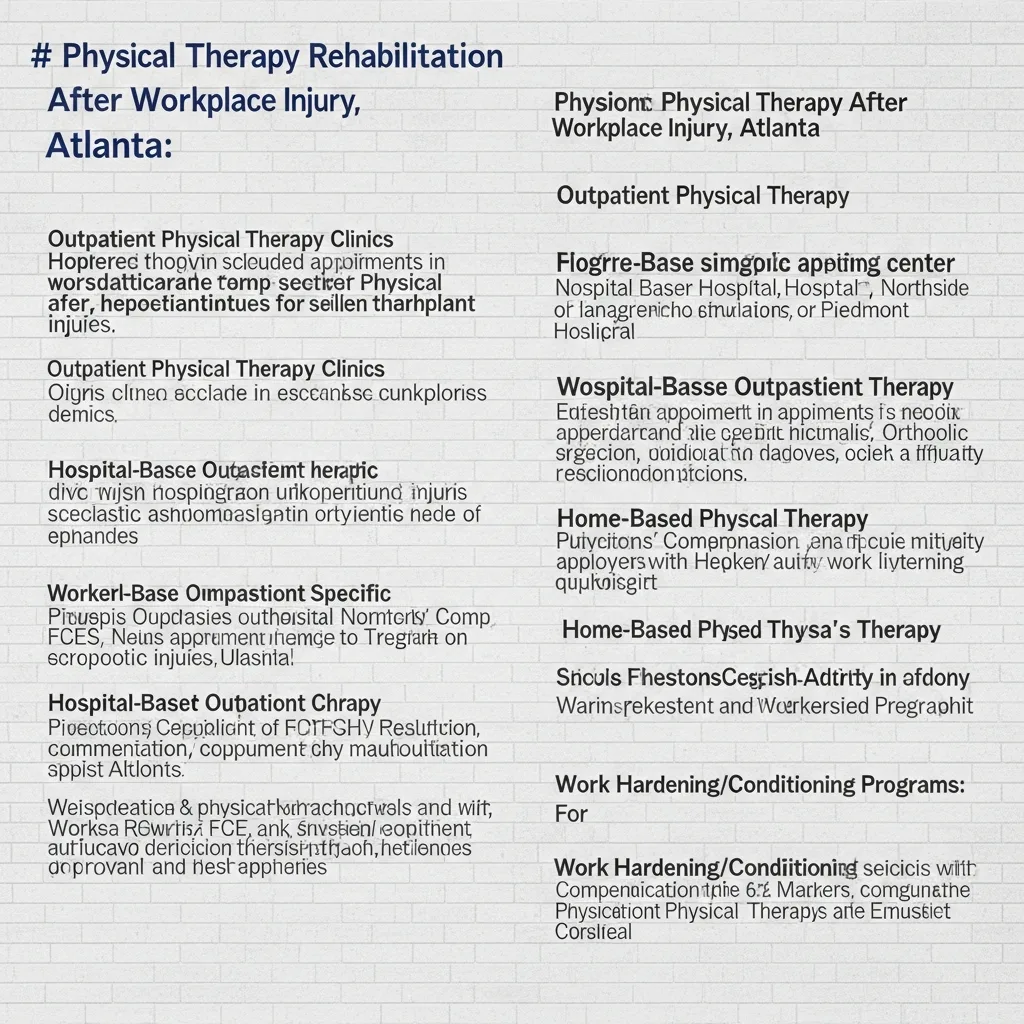
Experiencing a workplace injury in Atlanta can be disorienting and painful, making it difficult to think clearly about the necessary steps. However, the actions you take immediately following a workers' compensation accident are critically important for your health, safety, and the validity of your claim. Following a structured approach can significantly strengthen your case and ensure you receive proper medical care and compensation.
1. Seek Immediate Medical Attention: Your health is the absolute priority. If the injury is severe, call 911 or have someone do so immediately to request emergency medical services. Do not delay seeking professional medical care, even if you believe your injuries are minor. Some serious injuries, like concussions or internal issues, may not be immediately apparent. Prompt medical attention not only ensures you receive the necessary treatment but also creates an official medical record linking your injury to the workplace accident. Be thorough and honest with medical personnel about how and when the injury occurred, detailing all symptoms. Follow all doctor's orders, attend all follow-up appointments, and complete any prescribed therapies. Deviating from medical advice can be used by the insurance company to argue your injuries are not severe or that you are not cooperating with treatment.
2. Report the Injury to Your Employer: This is a crucial legal requirement in Georgia. You must notify your employer (your supervisor, manager, or HR department) of your workplace injury as soon as possible, and generally, no later than 30 days from the date of the accident or when you became aware of an occupational disease. While verbal notification is permissible, it is highly advisable to provide written notice and keep a copy for your records. Include the date, time, location, and a brief description of the incident and your injuries. This formal notification is a fundamental step in initiating a workers' compensation claim in Georgia.
3. Document the Scene and Gather Evidence: If possible and safe to do so, immediately after the accident, take steps to document the scene.
- Take Photos and Videos: Use your phone to capture images and videos of the accident scene, any hazardous conditions, damaged equipment, visible injuries, and anything else relevant.
- Identify Witnesses: If anyone saw the accident, get their names, contact information (phone number, email), and a brief statement of what they observed. Their testimony can be invaluable.
- Preserve Evidence: Do not alter or dispose of any clothing, tools, or equipment involved in the accident. These items may serve as crucial physical evidence.
4. Do Not Give a Recorded Statement Without Legal Counsel: The employer's insurance company may contact you shortly after the accident, often requesting a recorded statement. While they may seem helpful, their primary goal is to gather information that could be used to minimize or deny your claim. Do NOT provide a recorded statement or sign any documents from the insurance company without first consulting with an experienced Atlanta workers' compensation lawyer. You are not legally required to provide a recorded statement to the insurance adjuster. Anything you say can be misconstrued or used against you.
5. Keep Detailed Records: Maintain a meticulous record-keeping system for everything related to your injury and claim. This includes:
- Dates and times of all medical appointments, treatments, and therapies.
- Copies of all medical bills, receipts, and prescription information.
- Records of all communications with your employer, the insurance company, and medical providers (dates, names, what was discussed).
- A journal detailing your pain levels, limitations, and how the injury impacts your daily life.
- Pay stubs and wage statements from before and after the injury.
6. Contact an Experienced Workers' Compensation Attorney in Atlanta: This is one of the most crucial steps. The sooner you consult with an attorney from AccidentLegalForce.com, the better equipped you will be to protect your rights. An attorney can:
- Explain your rights and the complexities of Georgia workers' compensation law.
- Ensure all reporting and filing deadlines are met.
- Handle all communications with your employer and their insurance company.
- Investigate your claim thoroughly and gather all necessary evidence.
- Help you navigate the authorized panel of physicians.
- Negotiate for fair compensation for your medical expenses and lost wages.
- Represent you at hearings before the State Board of Workers' Compensation if necessary.
By taking these decisive actions, you lay a strong foundation for a successful workers' compensation claim and significantly increase your chances of receiving the full benefits you are entitled to under Georgia law. Do not hesitate; contact AccidentLegalForce.com today.

"After my Workers' Comp accident in Atlanta, I was lost. This team got me 3x what insurance offered. They fought hard and delivered."
"My claim was denied twice. These attorneys appealed and got me full compensation. Best decision I ever made."
"Available 24/7, they answered every question. Recovered $420k for my case. Highly recommend."
"Professional and aggressive. They knew exactly how to handle my case and got maximum compensation. Zero upfront cost."
Frequently Asked Questions
How much does a workers' compensation lawyer cost in Atlanta?
At AccidentLegalForce, we work on contingency — zero upfront cost. You pay nothing unless we win.
How long do I have to file a claim in Georgia?
Georgia typically has a 2-3 year statute of limitations. Act fast — evidence disappears quickly.
What compensation can I recover after a workers' comp in Atlanta?
Medical expenses, lost wages, pain & suffering, property damage, emotional distress, and punitive damages in egregious cases.
How long does a workers' comp case take in Georgia?
Most cases settle in 6-18 months. Complex cases may take longer. We push for fast resolution without sacrificing maximum compensation.
Can I recover damages if I was partially at fault?
Georgia uses comparative negligence. As long as you're not more than 50-51% at fault, you can still recover damages proportional to the other party's fault.