Why You Need a Motorcycle Accident Lawyer in Atlanta
Atlanta, a vibrant metropolis known for its bustling traffic and sprawling highway system, presents unique challenges for motorcyclists. The sheer volume of vehicles on our roads, combined with the fast-paced nature of urban driving, significantly increases the risk of accidents. With a rapidly growing population and a constant influx of commuters, Atlanta’s roads are perpetually congested, creating an environment where a moment's inattention by another driver can have catastrophic consequences for a motorcyclist.
Motorcycle accidents in Atlanta are often more severe than collisions involving two cars, primarily due to the inherent lack of protection for riders. While a car offers a steel cage, airbags, and seatbelts, a motorcyclist’s primary protection comes from their helmet and gear – which, while vital, offer little defense against the force of a multi-ton vehicle. This disparity in protection means that even a minor fender-bender for a car can result in life-altering injuries or fatalities for a motorcyclist.
One of the most significant reasons to engage an Atlanta motorcycle accident lawyer is the pervasive bias that sometimes exists against motorcyclists. Insurance adjusters, and even some jurors, may harbor preconceived notions that motorcyclists are inherently reckless or partly to blame for their own injuries, regardless of the actual circumstances of the accident. This bias can severely impact the value of a claim, making it crucial to have an attorney who can effectively counter these stereotypes and present a compelling case based on facts and evidence. Our legal team understands that responsible riders are a part of Atlanta's community, and we are adept at demonstrating negligence where it truly lies – with the at-fault driver.
Furthermore, the legal landscape surrounding personal injury claims in Georgia is complex. Navigating statutes of limitations, understanding modified comparative fault rules, and ensuring compliance with specific evidence requirements demands a depth of legal knowledge that most individuals do not possess. An experienced Atlanta motorcycle accident lawyer is intimately familiar with Georgia’s specific motor vehicle codes, personal injury precedents, and local court procedures in counties like Fulton, DeKalb, Cobb, and Gwinnett. This local expertise is invaluable in building a strong case, from gathering crucial evidence like traffic camera footage from Atlanta's extensive network to identifying expert witnesses who can testify about accident reconstruction or the long-term impact of specific injuries.
The aftermath of a motorcycle accident involves not just physical recovery but also a torrent of medical bills, lost wages, and emotional distress. Dealing with these challenges while simultaneously battling aggressive insurance companies can be overwhelming. An attorney acts as your shield, handling all communications with insurers, collecting and organizing medical records, calculating the full extent of your damages, and negotiating relentlessly on your behalf. This allows you to focus solely on your recovery, secure in the knowledge that your legal rights are being vigorously protected. Choosing to navigate this process alone risks leaving substantial compensation on the table and facing an uphill battle against well-resourced insurance adjusters whose primary goal is to minimize payouts. Our firm is dedicated to ensuring you receive the just and fair compensation you are entitled to under Georgia law.
Most Dangerous Roads and Intersections in Atlanta, GA
Atlanta's intricate network of interstates, state routes, and major boulevards, while essential for transportation, also harbors some of Georgia's most dangerous stretches for motorcyclists. The combination of high traffic volume, rapid lane changes, merging vehicles, and distracted drivers creates a hazardous environment where motorcycle accidents are unfortunately all too common. Understanding these high-risk areas is crucial for riders and can underscore the importance of legal representation if an accident occurs.
The heart of Atlanta's transportation system, often referred to as "The Connector," where I-75 and I-85 merge through downtown, is notorious for its congestion and high-speed traffic. This multi-lane corridor sees hundreds of thousands of vehicles daily, leading to frequent accidents, particularly during rush hour. The rapid merging and diverging traffic, coupled with impatient drivers, make it incredibly perilous for motorcyclists who are less visible and have less protection. Accidents here often involve sudden stops or aggressive lane changes, leaving riders little time to react.
Beyond the major interstates, several key surface roads and intersections within Atlanta also pose significant dangers:
- Peachtree Street and Piedmont Road: As two of Atlanta’s most iconic and heavily trafficked arteries, these roads are a constant source of collisions. Intersections along these routes, particularly near commercial districts and residential areas, are prone to accidents involving left-turning vehicles failing to yield to oncoming motorcycles. The sheer volume of pedestrian and vehicular traffic further complicates navigation.
- Buford Highway: Stretching through diverse neighborhoods, Buford Highway is characterized by multiple lanes, numerous commercial driveways, and frequent lane changes. The combination of varied speeds and drivers entering and exiting traffic constantly makes it a hotspot for side-impact and rear-end collisions that can devastate motorcyclists.
- Roswell Road (GA-9): Running through Buckhead and Sandy Springs, Roswell Road is another major thoroughfare with high traffic density and numerous shopping centers. Accidents often occur when drivers are distracted by navigation, looking for parking, or making sudden turns into businesses, failing to spot motorcycles in their blind spots.
- Memorial Drive (US-78/GA-154): This lengthy route, especially the sections passing through DeKalb County, experiences heavy commuter traffic. The presence of numerous traffic lights and intersections, often with complex turns, increases the likelihood of drivers misjudging distances or failing to yield, leading to dangerous encounters for motorcyclists.
- Moreland Avenue (GA-42): Connecting various intown neighborhoods and crossing I-20, Moreland Avenue is another high-volume corridor where intersection accidents are prevalent. Drivers are often rushing, and the mix of residential and commercial zones means frequent stops, starts, and turning movements that can put motorcyclists at risk.
- Interstate 20 (I-20): Running east-west through the city, I-20 is a critical freight corridor and commuter route. Its frequent on-ramps and off-ramps, especially around downtown and the Perimeter (I-285), are areas where vehicles merge at high speeds, often failing to check blind spots for motorcycles.
- Georgia State Route 400 (GA-400): North of the city, GA-400 is a primary route for suburban commuters. While generally well-maintained, the high speeds and dense traffic, particularly during rush hour, contribute to severe accidents. Drivers changing lanes rapidly or cutting off other vehicles are a common hazard, especially for less visible motorcycles.
Accidents in these areas often stem from common driver errors: distracted driving (texting, phone calls), impaired driving, aggressive driving (speeding, tailgating), and crucially, a failure to "see" the motorcycle. Many drivers involved in collisions with motorcycles claim they "didn't see" the bike, highlighting the critical importance of motorcyclists being vigilant and for other drivers to be more aware. When such negligence leads to a crash, our Atlanta motorcycle accident lawyers are prepared to meticulously investigate the scene, gather traffic camera footage, analyze police reports, and interview witnesses to establish fault unequivocally. We understand the specific dangers of Atlanta’s roads and how to build a strong case proving that another driver’s negligence, not the inherent risk of riding, was the cause of your devastating injuries.
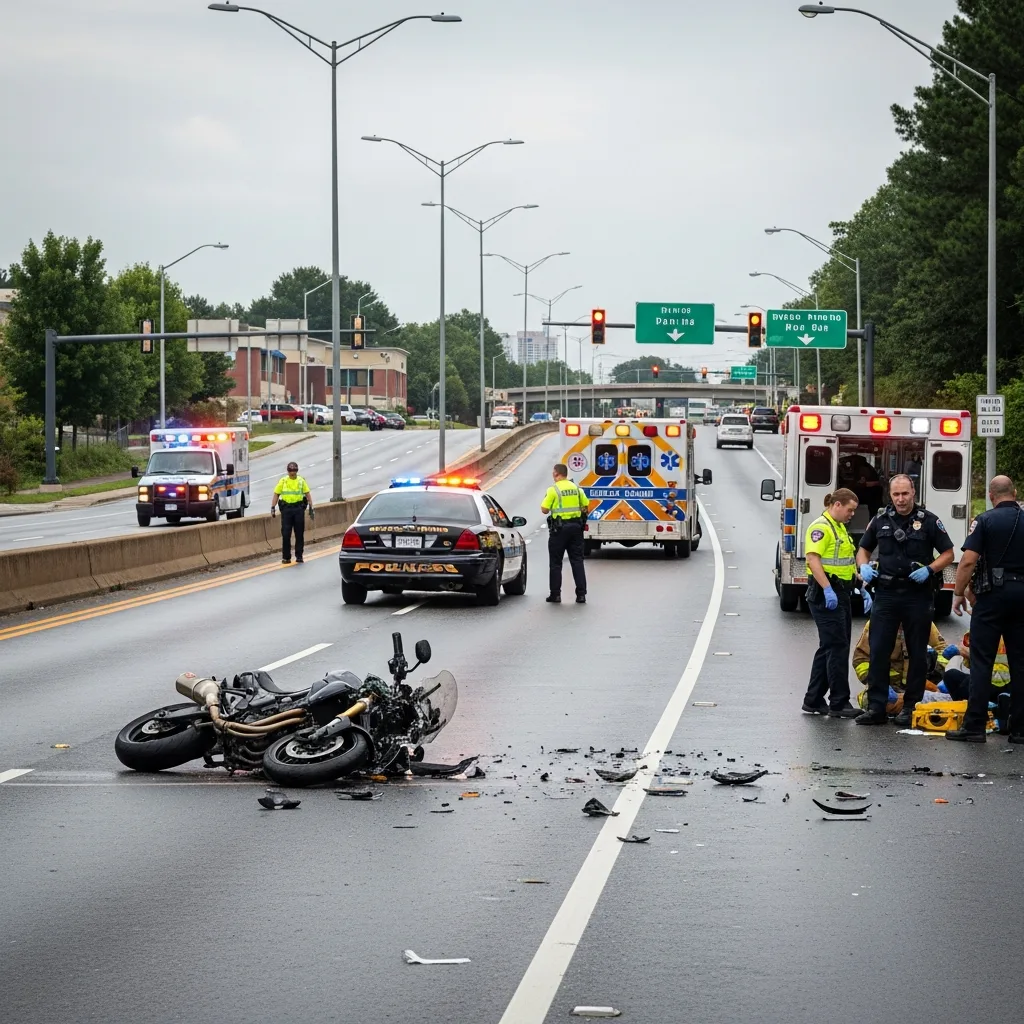
Georgia Motorcycle Accident Laws: Statutes, Fault Rules and Deadlines
Navigating the legal aftermath of a motorcycle accident in Georgia requires a thorough understanding of the state’s specific statutes, fault rules, and strict deadlines. Ignorance of these laws can severely jeopardize a victim's ability to recover compensation, even if the other driver was clearly at fault. An experienced Atlanta motorcycle accident lawyer is essential to ensure compliance with all legal requirements and to protect your rights.
One of the most critical aspects of any personal injury claim in Georgia is the Statute of Limitations. Under O.C.G.A. § 9-3-33, you generally have two (2) years from the date of the motorcycle accident to file a personal injury lawsuit. For claims involving property damage to your motorcycle, the statute of limitations is four (4) years. While two years might seem like a long time, the investigative process, gathering medical records, and negotiating with insurance companies can be lengthy. Missing this deadline almost certainly means forfeiting your right to pursue compensation, regardless of the merits of your case. There are limited exceptions to this rule, such as for minors or individuals deemed mentally incapacitated, but relying on these exceptions without legal guidance is risky. Our firm ensures that all deadlines are meticulously tracked and met, protecting your ability to pursue justice.
Georgia operates under a Modified Comparative Fault rule, as outlined in O.C.G.A. § 51-12-33. This law states that if you are found to be partially at fault for the accident, your recoverable damages will be reduced by your percentage of fault. However, if you are determined to be 50% or more at fault, you are legally barred from recovering any compensation. This "50% bar rule" is critical for motorcyclists, as insurance companies often try to assign a higher percentage of fault to riders, leveraging existing biases. For example, if your damages are $100,000, but you are found to be 20% at fault, you would only be able to recover $80,000. Our Atlanta motorcycle accident lawyers are skilled at challenging these attempts to shift blame, presenting evidence to minimize your assigned fault and maximize your potential recovery.
Understanding Georgia’s minimum insurance requirements is also vital. Under O.C.G.A. § 33-7-11, all drivers in Georgia are required to carry at least:
- $25,000 for bodily injury liability per person
- $50,000 for bodily injury liability per accident
- $25,000 for property damage liability per accident
Unfortunately, these minimums are often insufficient to cover the extensive medical costs and lost wages associated with severe motorcycle accidents. This is why our firm strongly advises all motorcyclists to carry adequate Uninsured/Underinsured Motorist (UM/UIM) coverage. UM/UIM coverage protects you if the at-fault driver has no insurance or insufficient insurance to cover your damages. Without it, you could be left to bear the financial burden of catastrophic injuries yourself.
Furthermore, Georgia has specific laws pertaining to motorcycle operation that can impact a personal injury claim. For instance, O.C.G.A. § 40-6-315 mandates that all motorcyclists and their passengers wear a helmet while operating or riding on a motorcycle in Georgia. While not wearing a helmet doesn't automatically bar recovery if you're not at fault, it can be used by the defense to argue that your injuries would have been less severe had you worn one, potentially impacting compensation for head injuries. Similarly, adherence to lane-splitting laws (which is generally illegal in Georgia, except under specific circumstances like passing a disabled vehicle) can also be scrutinized.
Our legal team possesses a deep understanding of these and other relevant Georgia statutes, including rules of the road, evidence codes, and court procedures. We meticulously apply this knowledge to every case, from gathering crucial evidence to strategically negotiating with insurance adjusters or presenting a compelling argument in court. We ensure that your claim adheres to all legal requirements, protecting your right to seek full and fair compensation for your motorcycle accident injuries in Atlanta.
Common Injuries from Motorcycle Accident Accidents in Atlanta
Motorcycle accidents in Atlanta often result in injuries far more severe than those sustained in typical car collisions, largely due to the rider's direct exposure to impact and the unforgiving road surface. While safety gear provides some protection, it cannot fully mitigate the forces involved when a motorcycle collides with a larger vehicle or fixed object. The medical, emotional, and financial toll of these injuries can be immense and long-lasting, underscoring the critical need for comprehensive legal representation to secure adequate compensation.
Among the most devastating injuries are Traumatic Brain Injuries (TBIs). Even with a helmet, the force of impact can cause the brain to violently strike the inside of the skull, leading to concussions, contusions, or more severe diffuse axonal injuries. Symptoms range from headaches, dizziness, and memory loss to cognitive impairment, personality changes, and permanent disability. The treatment costs for TBIs can be astronomical, involving emergency care, neurological evaluations, long-term rehabilitation, and potential lifelong assistance. The long-term impact often includes an inability to return to work, loss of enjoyment of life, and significant emotional distress for both the victim and their family.
Spinal Cord Injuries (SCIs) are another catastrophic consequence. Impacts can cause fractures to the vertebrae, herniated discs, or direct trauma to the spinal cord itself, potentially leading to partial or complete paralysis. These injuries often require complex surgeries, extensive physical therapy, and assistive devices such as wheelchairs. The costs associated with SCIs are among the highest of any injury, with lifetime care expenses often reaching into the millions. Beyond the financial burden, SCIs represent a profound loss of independence and quality of life.
Fractures are incredibly common, ranging from broken bones in the limbs (arms, legs, collarbones) to more complex pelvic fractures and crushed bones. The exposed nature of a rider means limbs are particularly vulnerable. These breaks often require surgical intervention, including plates, screws, or rods, followed by lengthy periods of casting, physical therapy, and rehabilitation. Severe fractures can lead to chronic pain, limited mobility, and even permanent disfigurement or amputation, impacting a rider's ability to work or engage in daily activities.
Soft Tissue Injuries, while sometimes underestimated, can be debilitating. These include severe sprains, strains, ligament tears (such as ACL or rotator cuff tears), and muscle damage. Whiplash, a common neck injury, can result in chronic pain, headaches, and restricted movement. While not always immediately apparent, these injuries can lead to prolonged discomfort, requiring extensive physical therapy, injections, or even surgery, and can significantly limit a victim's range of motion and overall physical capabilities.
Road Rash is a unique and agonizing injury for motorcyclists, occurring when skin scrapes against the asphalt. Depending on the speed and force, road rash can range from superficial abrasions to deep, third-degree wounds that expose muscle and bone. Severe road rash requires immediate medical attention, meticulous wound care, debridement (removal of damaged tissue), and potentially skin grafts. It carries a high risk of infection, significant scarring, and long-term nerve damage and pain.
Finally, the psychological and emotional trauma of a motorcycle accident should not be overlooked. Many victims experience Post-Traumatic Stress Disorder (PTSD), anxiety, depression, and flashbacks. The fear of riding again, or even being a passenger in a car, can be profound. These invisible injuries can be as debilitating as physical ones, requiring therapy, medication, and significant support. Calculating compensation for pain, suffering, and emotional distress is a critical component of our legal strategy.
At AccidentLegalForce, we meticulously document all injuries, working with medical experts and life care planners to understand the full scope of treatment costs, future medical needs, lost income, and the profound impact on your quality of life. Our goal is to ensure that your compensation covers not just immediate medical bills but also the long-term physical, emotional, and financial burdens imposed by these severe injuries.
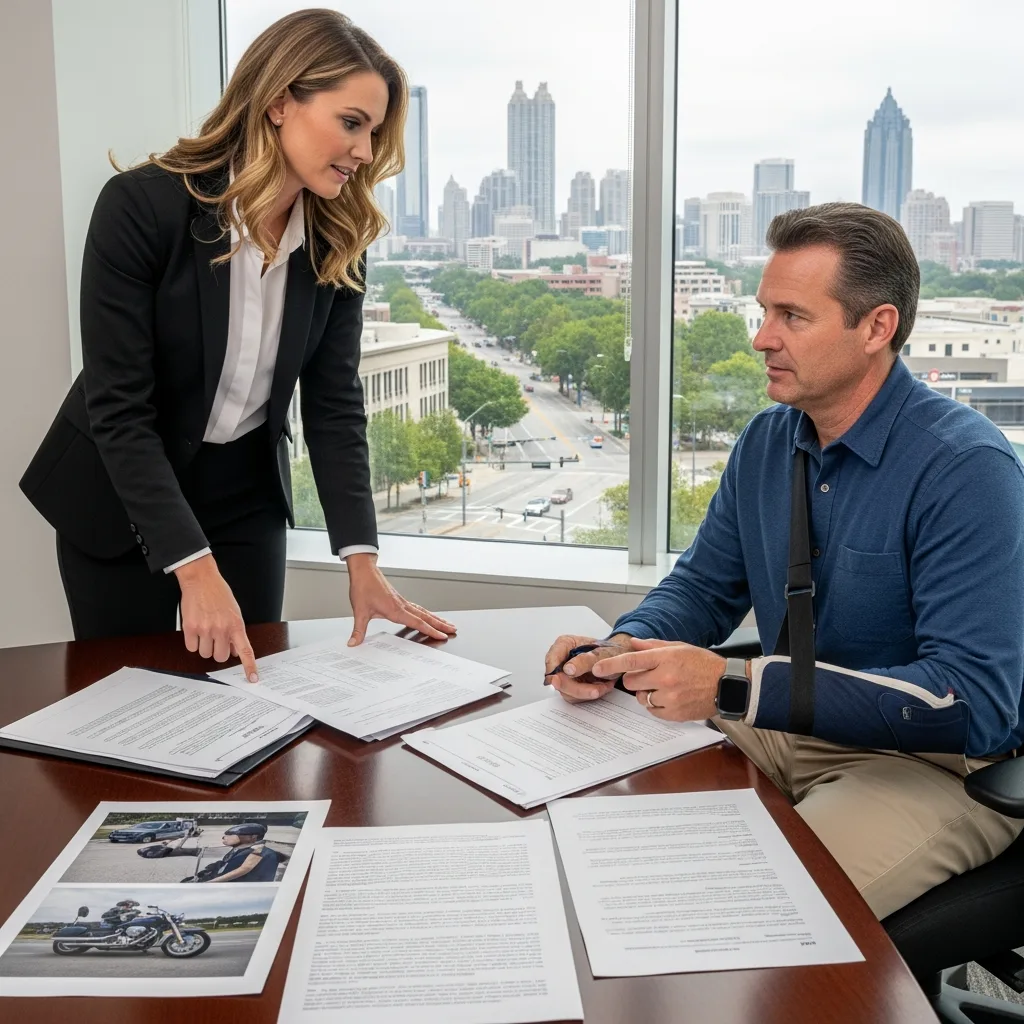
Compensation Available for Atlanta Motorcycle Accident Victims
When a motorcycle accident in Atlanta shatters your life, securing comprehensive compensation is paramount to rebuilding and ensuring your future well-being. Under Georgia law, victims are entitled to recover damages from the at-fault party for a wide range of losses, categorized primarily into economic, non-economic, and, in rare instances, punitive damages. Our experienced Atlanta motorcycle accident lawyers are dedicated to identifying and maximizing every available avenue of compensation.
Economic Damages are quantifiable financial losses that have a clear monetary value. These form the bedrock of most personal injury claims and include:
- Medical Expenses: This covers all past and future medical treatment related to the accident. This includes emergency room visits, ambulance fees, hospital stays, surgeries, doctor consultations, prescription medications, physical therapy, rehabilitation, medical devices (e.g., wheelchairs, prosthetics), and long-term care needs. For severe injuries, future medical costs can be astronomical and require detailed projections from medical experts.
- Lost Wages and Earning Capacity: If your injuries prevent you from working, you can claim compensation for lost income from the time of the accident until your recovery. More critically, if your injuries result in a permanent disability or reduced earning potential, you can seek damages for loss of future earning capacity. This calculates the difference in what you would have earned had the accident not occurred versus what you are now able to earn.
- Property Damage: This includes the cost to repair or replace your damaged motorcycle, as well as any damaged riding gear (helmet, jacket, boots, etc.). You may also be compensated for the diminished value of your motorcycle even after repairs.
- Other Out-of-Pocket Expenses: This category can include costs for transportation to medical appointments, home modifications to accommodate disabilities, domestic services you can no longer perform, and other direct financial losses resulting from the accident.
Non-Economic Damages are more subjective and compensate for the non-monetary losses that profoundly impact a victim's quality of life. While harder to quantify, they often represent a significant portion of a motorcycle accident claim:
- Pain and Suffering: This accounts for the physical pain, discomfort, and agony experienced as a direct result of your injuries. It considers the severity, duration, and impact of your physical suffering.
- Emotional Distress: Motorcycle accidents can cause severe psychological trauma, including anxiety, depression, fear, anger, and PTSD. Compensation can be sought for these mental and emotional burdens.
- Loss of Enjoyment of Life: If your injuries prevent you from participating in hobbies, recreational activities, or daily pleasures you once enjoyed, you can claim damages for this loss.
- Loss of Consortium: In cases of severe injury or wrongful death, a spouse may claim damages for the loss of companionship, affection, and support from their injured or deceased partner.
- Disfigurement and Scarring: Permanent scarring, burns, or disfigurement resulting from the accident can lead to significant non-economic damages due to their lasting physical and psychological impact.
In rare and specific circumstances, Punitive Damages may be awarded under Georgia law, as outlined in O.C.G.A. § 51-12-5.1. Unlike economic and non-economic damages, punitive damages are not intended to compensate the victim but rather to punish the at-fault party for egregious conduct and deter similar behavior in the future. To be awarded punitive damages, the defendant's actions must demonstrate "willful misconduct, malice, fraud, wantonness, oppression, or that entire want of care which would raise the presumption of conscious indifference to consequences." For most cases, Georgia law caps punitive damages at $250,000, though this cap does not apply if the defendant acted with specific intent to harm or was under the influence of alcohol or drugs. Our legal team will assess whether the at-fault driver's conduct warrants pursuing punitive damages in your Atlanta motorcycle accident case.
Settlement ranges for motorcycle accident claims vary widely based on numerous factors: the severity and permanence of injuries, the clarity of liability, the total economic damages, the available insurance policy limits, and the jurisdiction (i.e., which Atlanta-area county court). While it's impossible to give an exact figure without knowing the specifics of your case, our goal is always to maximize your recovery, leveraging our experience to negotiate aggressively for a settlement that fully and fairly compensates you for all your losses. If a fair settlement cannot be reached, we are prepared to take your case to trial to fight for the justice you deserve.
How Our Atlanta Motorcycle Accident Lawyer Team Handles Your Case
Facing the aftermath of a motorcycle accident in Atlanta can be a daunting experience, filled with pain, confusion, and legal complexities. At AccidentLegalForce, our dedicated team is here to lift that burden from your shoulders. We provide comprehensive legal support, guiding you through every stage of the personal injury claims process with professionalism, empathy, and unwavering advocacy. Here’s a detailed look at how we handle your motorcycle accident case:
1. Free Initial Consultation and Case Evaluation:
Your journey with us begins with a free, no-obligation consultation. During this initial meeting, we listen attentively to your story, understand the details of your accident, and assess your injuries and losses. This is an opportunity for you to ask questions, learn about your legal options, and understand what to expect. We provide an honest evaluation of your case's strengths and potential challenges, outlining a clear path forward without any upfront cost or commitment.
2. Thorough Investigation and Evidence Collection:
Once you choose us to represent you, our team immediately launches a comprehensive investigation into your accident. This crucial phase involves:
- Gathering Police Reports: Obtaining and meticulously reviewing the official police accident report to understand initial findings, driver statements, and citations issued.
- Collecting Medical Records: We gather all your medical records, including emergency room reports, diagnostic imaging (X-rays, MRIs), doctor's notes, and therapy records, to thoroughly document your injuries and treatment.
- Witness Interviews: Identifying and interviewing any eyewitnesses to the accident, securing their statements to corroborate your account.
- Scene Documentation: Collecting photographic and video evidence from the accident scene, including vehicle damage, road conditions, traffic signs, skid marks, and any relevant environmental factors.
- Traffic Camera Footage: Requesting and analyzing footage from Atlanta's extensive network of traffic cameras or nearby business surveillance cameras, which can often provide irrefutable evidence of fault.
- Expert Consultation: When necessary, we engage accident reconstruction specialists, medical experts, vocational experts, and economists to provide expert testimony and reports that strengthen your claim.
3. Establishing Liability and Damages:
With all evidence in hand, we meticulously build your case, clearly establishing the other party’s negligence and calculating the full extent of your damages. We piece together the narrative of how the accident occurred, demonstrating how the at-fault driver's actions (e.g., distracted driving, speeding, failure to yield) directly caused your injuries and losses. We quantify all economic damages (medical bills, lost wages, property damage) and build a compelling argument for non-economic damages (pain and suffering, emotional distress, loss of enjoyment of life).
4. Crafting and Submitting a Demand Letter:
Once you have reached maximum medical improvement (MMI) or your treatment plan is clear, we prepare a comprehensive and persuasive demand letter. This detailed document outlines the facts of the accident, presents all gathered evidence of liability, thoroughly itemizes all your damages (economic and non-economic), and formally demands a specific amount of compensation from the at-fault driver's insurance company.
5. Aggressive Negotiation with Insurance Companies:
Following the demand letter, we engage in direct and often intense negotiations with the insurance adjusters. Insurance companies are notorious for offering low initial settlements, hoping victims will accept out of desperation. Our attorneys are skilled negotiators, well-versed in insurance tactics, and will fiercely advocate for your best interests. We counter lowball offers with strong evidence and legal arguments, always striving to achieve a fair settlement that fully compensates you for your losses.
6. Litigation and Trial (If Necessary):
While many cases settle out of court, we are always prepared to take your case to trial if the insurance company refuses to offer a just settlement. Filing a lawsuit initiates the litigation phase, which involves:
- Discovery: Exchanging information with the opposing side through interrogatories (written questions), requests for production (documents), and depositions (oral testimony under oath).
- Mediation/Arbitration: Often, before trial, parties attempt to resolve the case through mediation (a neutral third party helps facilitate a settlement) or arbitration (a neutral third party makes a binding decision).
- Trial: If mediation fails, we meticulously prepare for trial, presenting your case to a jury or judge in an Atlanta-area courthouse. Our trial lawyers are seasoned litigators, ready to passionately advocate for your rights and seek a favorable verdict.
7. Post-Settlement or Verdict Support:
Once a settlement is reached or a favorable verdict is secured, we assist with all post-case matters, including managing medical liens, distributing funds, and ensuring you receive your compensation promptly.
The timeline for a motorcycle accident case in Atlanta can vary significantly, ranging from several months for straightforward claims to two years or more for complex cases involving severe injuries, extensive negotiations, or trial. Throughout this entire process, our team at AccidentLegalForce keeps you informed, supports you, and fights tirelessly to achieve the best possible outcome, allowing you to focus on your recovery.
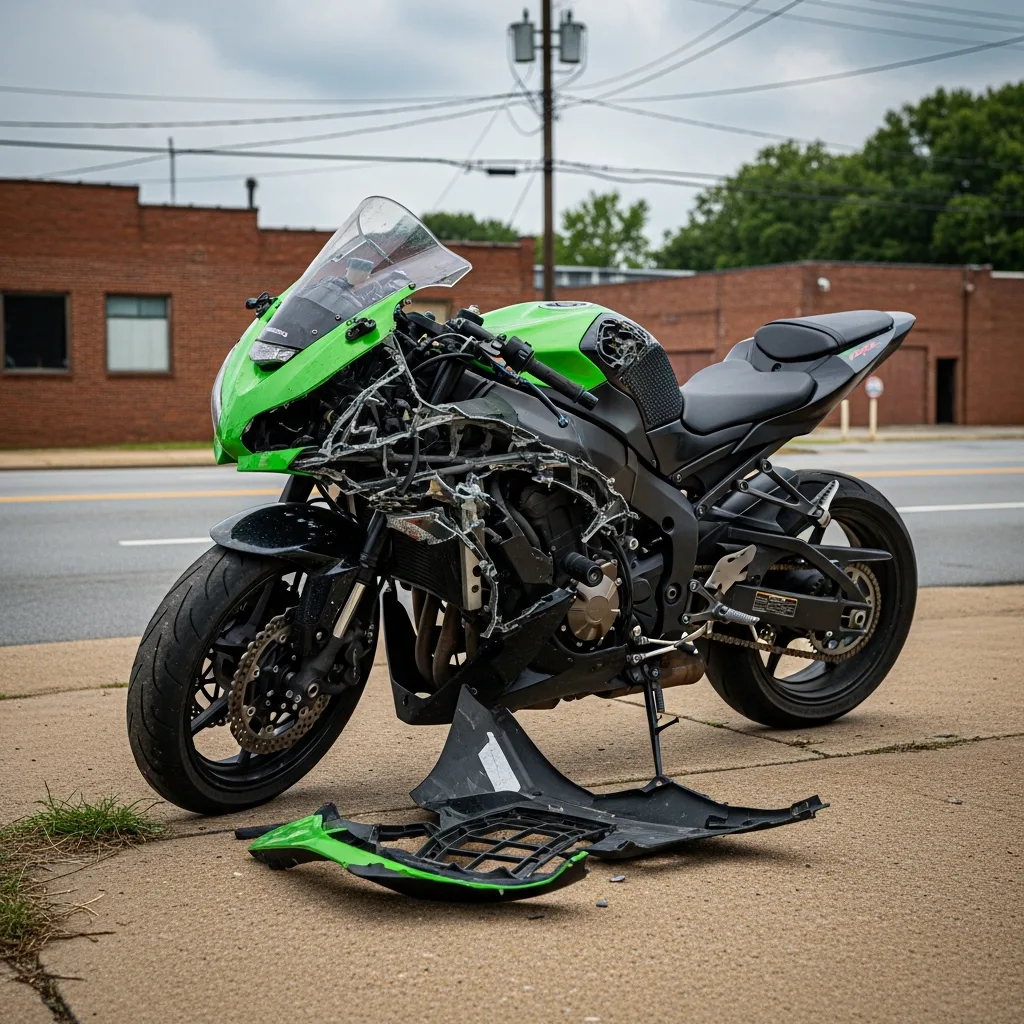
Why Choose AccidentLegalForce in Atlanta
When the roar of your engine is replaced by the pain of an accident, choosing the right legal team is the most critical decision you'll make. At AccidentLegalForce, we are not just lawyers; we are dedicated advocates for Atlanta's motorcycle community, understanding the unique challenges and biases riders face. We believe in providing exceptional legal representation with a personal touch, ensuring that your journey to justice is as smooth and successful as possible.
Our Commitment to You: The Contingency Fee Basis
One of the primary concerns for accident victims is the cost of legal representation, especially when facing mounting medical bills and lost wages. At AccidentLegalForce, we alleviate this burden by working on a contingency fee basis. This means you pay no upfront legal fees, and we only get paid if we successfully recover compensation for you. If we don't win your case, you owe us nothing. This arrangement allows you to pursue justice without financial risk, aligning our interests directly with yours – we are fully invested in achieving the best possible outcome for your claim. This commitment ensures that everyone, regardless of their current financial situation, has access to top-tier legal advocacy.
Proven Trial Experience and Readiness:
While many personal injury cases settle out of court, it's crucial to have a legal team that is not afraid to go to trial. Insurance companies know which firms are willing to litigate and which prefer to settle quickly. Our attorneys at AccidentLegalForce possess extensive trial experience in Atlanta and throughout Georgia. We meticulously prepare every case as if it will go to trial, which often gives us significant leverage during negotiations. This readiness demonstrates to insurance adjusters that we are serious about achieving a fair settlement and will not hesitate to fight for your rights in an Atlanta courtroom if their offers are inadequate. Our track record in litigation speaks volumes about our commitment to securing maximum compensation for our clients.
Deep Local Court Knowledge and Relationships:
Atlanta's legal landscape is intricate, with different courts in Fulton, DeKalb, Cobb, and Gwinnett counties, each with its own local rules, judges, and procedures. Our legal team has a deep understanding of the local court systems in the greater Atlanta area. We are familiar with the judges, clerks, and opposing counsel, which allows us to navigate the complexities of your case more efficiently and strategically. This local insight is invaluable, from knowing which expert witnesses are most respected in Atlanta courts to understanding how specific judges might rule on certain motions. Our local presence means we are always within reach, ready to appear in court or meet with you face-to-face.
24/7 Availability and Empathetic Support:
Motorcycle accidents don't happen on a 9-to-5 schedule, and neither do your questions or concerns. That's why AccidentLegalForce offers 24/7 availability for our clients. We understand that the aftermath of an accident is a stressful and confusing time, and you need access to legal guidance when you need it most. Our team is always just a call away, ready to provide support, answer your questions, and offer reassurance. We approach every client relationship with genuine empathy, recognizing the physical pain, emotional trauma, and financial strain you are enduring. We treat you not just as a case number, but as a valued individual, working tirelessly to make the legal process as stress-free as possible for you and your family.
Choosing AccidentLegalForce means choosing a partner who understands motorcycles, the roads of Atlanta, and the laws of Georgia. We are dedicated to fighting for your rights, providing aggressive advocacy, and securing the justice and compensation you deserve after a devastating motorcycle accident. Let us be your force in your time of need.
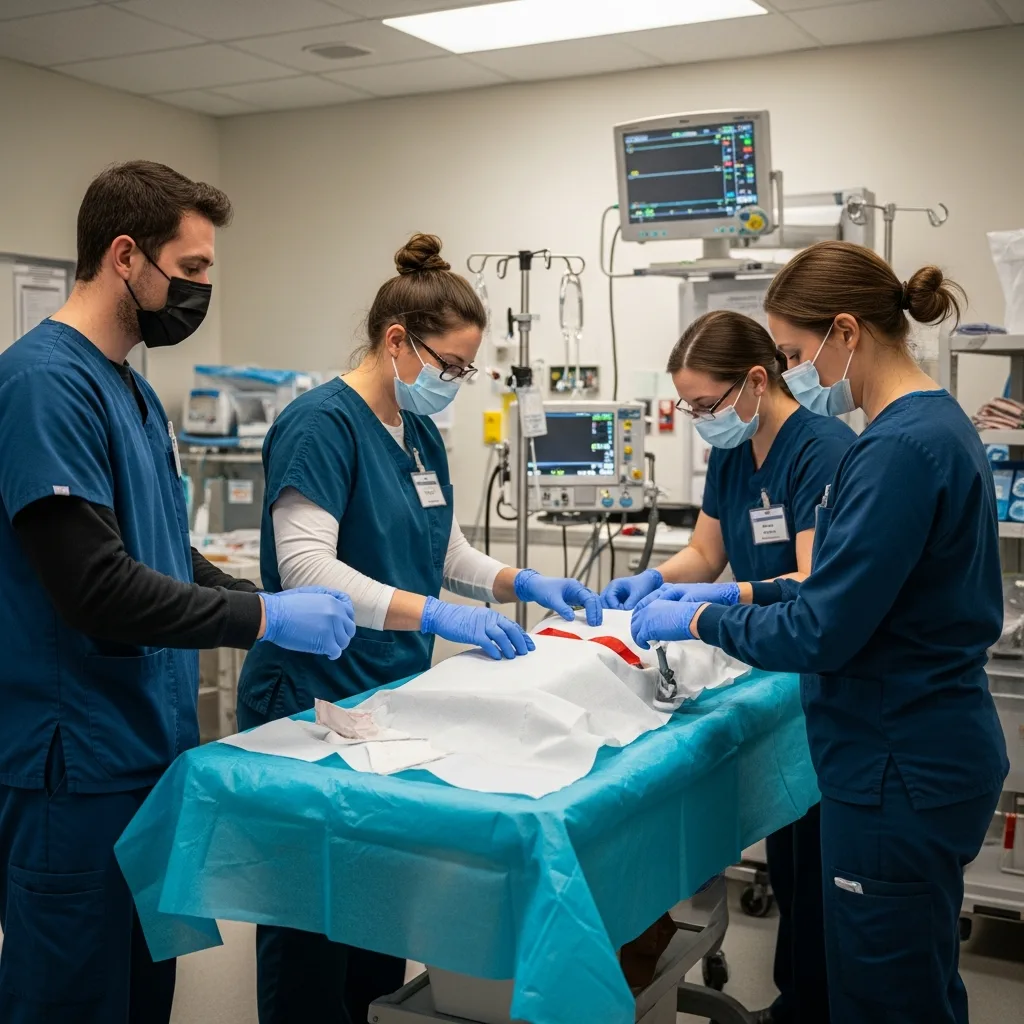
What to Do After a Motorcycle Accident in Atlanta
The moments immediately following a motorcycle accident in Atlanta can be chaotic and frightening, but your actions during this critical time can significantly impact your health and the strength of any future legal claim. Remaining calm and following a clear set of steps can protect your well-being and preserve crucial evidence.
1. Prioritize Safety and Seek Medical Attention:
Your immediate safety is paramount.
- Move to a Safe Location: If you are able, move yourself and your motorcycle out of the flow of traffic to prevent further injury. If you cannot move, remain still and wait for emergency responders.
- Call 911 Immediately: Report the accident, regardless of how minor it seems. Request both police and emergency medical services (EMS). Even if you feel fine, adrenaline can mask serious injuries. It’s crucial to have paramedics assess you at the scene.
- Accept Medical Transport: If EMS recommends transport to an emergency room, accept it. Early medical documentation of your injuries is vital for your health and your legal case.
2. Document the Scene and Gather Information:
While waiting for law enforcement, if your condition allows, gather as much information as possible:
- Do NOT Admit Fault: Avoid making any statements that suggest you were at fault, even if you’re unsure. Stick to the facts.
- Exchange Information: Get the other driver’s name, contact information, insurance company name and policy number, and vehicle license plate number. If there are passengers, get their information too.
- Take Photos and Videos: Use your phone to extensively document the accident scene. Capture:
- Damage to your motorcycle and the other vehicles involved from multiple angles.
- Your injuries (bruises, cuts, road rash).
- The position of all vehicles involved.
- Road conditions (potholes, debris, skid marks).
- Traffic signals, stop signs, and any relevant road signs.
- Weather conditions.
- Any visible landmarks to help identify the location.
- Identify Witnesses: Ask anyone who saw the accident for their name and contact information. Their independent accounts can be invaluable.
- Cooperate with Police: Provide a factual account of what happened. Get the investigating officer's name, badge number, and the police report number. This report is a crucial piece of evidence.
3. Seek Comprehensive Medical Evaluation:
Even if you declined ambulance transport or felt okay at the scene, seek a full medical evaluation from a doctor as soon as possible after the accident. Some serious injuries, like concussions or internal bleeding, may not manifest symptoms for hours or even days. Delaying medical care can not only harm your health but also weaken your personal injury claim, as insurance companies may argue your injuries weren't accident-related. Follow all medical advice and attend all recommended appointments and therapies.
4. Preserve All Evidence and Documentation:
- Do Not Repair Your Motorcycle: Until your attorney advises you, do not get your motorcycle repaired. The damage itself is critical evidence.
- Keep All Gear: Preserve your helmet, jacket, boots, and any other gear you were wearing. They can show the points of impact and offer insight into the accident's forces.
- Maintain Records: Keep all medical bills, receipts for expenses related to the accident (e.g., transportation to appointments, medications), and documentation of lost wages.
- Start a Journal: Document your daily pain levels, limitations, and how the injuries are impacting your life. This can be powerful evidence of your suffering.
5. Avoid Communication with Insurance Companies (Except Your Own):
After the accident, the other driver’s insurance company will likely contact you quickly. Do NOT give them a recorded statement, sign any documents, or accept any settlement offers. Their goal is to minimize their payout. Politely decline to speak with them and refer them to your attorney. You should, however, notify your own insurance company of the accident as per your policy, but again, avoid detailed statements before speaking with a lawyer.
6. Contact an Experienced Atlanta Motorcycle Accident Lawyer:
This is perhaps the most critical step. As soon as you are medically stable, contact AccidentLegalForce. An attorney will:
- Handle all communications with insurance companies on your behalf.
- Conduct a thorough investigation to gather evidence and establish fault.
- Protect your rights and ensure you meet all legal deadlines.
- Calculate the full extent of your damages.
- Negotiate for maximum compensation.
- Represent you in court if a fair settlement cannot be reached.
Taking these steps provides the best foundation for your physical recovery and legal success after a motorcycle accident in Atlanta.

"After my Motorcycle Accident accident in Atlanta, I was lost. This team got me 3x what insurance offered. They fought hard and delivered."
"My claim was denied twice. These attorneys appealed and got me full compensation. Best decision I ever made."
"Available 24/7, they answered every question. Recovered $420k for my case. Highly recommend."
"Professional and aggressive. They knew exactly how to handle my case and got maximum compensation. Zero upfront cost."
Frequently Asked Questions
How much does a motorcycle accident lawyer cost in Atlanta?
At AccidentLegalForce, we work on contingency — zero upfront cost. You pay nothing unless we win.
How long do I have to file a claim in Georgia?
Georgia typically has a 2-3 year statute of limitations. Act fast — evidence disappears quickly.
What compensation can I recover after a motorcycle accident in Atlanta?
Medical expenses, lost wages, pain & suffering, property damage, emotional distress, and punitive damages in egregious cases.
How long does a motorcycle accident case take in Georgia?
Most cases settle in 6-18 months. Complex cases may take longer. We push for fast resolution without sacrificing maximum compensation.
Can I recover damages if I was partially at fault?
Georgia uses comparative negligence. As long as you're not more than 50-51% at fault, you can still recover damages proportional to the other party's fault.