Why You Need a Bus Accident Attorney in Woodstock
Woodstock, Georgia, is a vibrant and rapidly growing city, a gem in Cherokee County that has transformed from a quiet suburb into a bustling hub. This growth, while beneficial for the community, brings with it increased traffic congestion, more vehicles on the road, and unfortunately, a higher potential for accidents – including those involving buses. With a population that has expanded significantly over the past decades, Woodstock’s roads are busier than ever, serving a diverse array of commuters, families, and commercial transport.
Bus accidents in Woodstock present unique challenges that set them apart from standard car accidents. Firstly, the sheer size and weight of a bus mean that collisions often result in more severe injuries and greater property damage. Victims may suffer life-altering trauma, requiring extensive medical care and long-term rehabilitation. Secondly, the parties involved can be far more numerous and complex. Depending on the type of bus, potential defendants could include the bus driver, the bus company, a school district, a municipal transit authority (like the Cherokee Area Transit System - CATS, which serves Woodstock), a private charter company, the bus manufacturer, or even a third-party maintenance provider. Each of these entities has its own legal team and insurance adjusters whose primary goal is to minimize payouts, not to ensure your well-being.
Navigating these multi-faceted claims requires specialized legal knowledge. A bus accident attorney in Woodstock from AccidentLegalForce possesses a deep understanding of federal and Georgia state transportation regulations that apply to bus companies and drivers. These regulations often differ significantly from those governing private vehicles and can be instrumental in establishing liability. For instance, commercial buses are subject to stringent hours-of-service rules, maintenance schedules, and driver qualification standards. A violation of any of these could be direct evidence of negligence. Furthermore, dealing with government entities, such as school districts or municipal transit authorities, introduces the complex doctrine of sovereign immunity, which limits the ability to sue governmental bodies and often involves shorter notice periods for claims. Missing a critical deadline or failing to follow specific procedural steps can irrevocably jeopardize your right to compensation.
Moreover, bus accident cases often involve substantial evidence collection, including black box data, driver logs, maintenance records, surveillance footage, and witness statements. A skilled attorney will know exactly what evidence to request, how to preserve it, and how to use it effectively to build a robust case. Insurance companies, particularly those representing large corporations or government agencies, are formidable opponents. They employ aggressive tactics to deny claims, minimize injuries, or shift blame. Without an experienced advocate by your side, you risk being unfairly compensated or having your claim denied altogether. An attorney from AccidentLegalForce acts as your shield, negotiating fiercely on your behalf, challenging unfair tactics, and ensuring your rights are protected at every stage. We handle the legal complexities so you can focus on your recovery and family, providing peace of mind during an incredibly stressful time.
Most Dangerous Roads and Intersections in Woodstock, GA
Woodstock’s growth has inevitably led to increased traffic density, particularly along its major thoroughfares and at key intersections. While no road is entirely safe from the risk of an accident, certain areas in Woodstock are statistically more prone to collisions, including those involving larger vehicles like buses. Understanding these high-risk zones is crucial for both drivers and pedestrians, highlighting the ever-present need for vigilance and the potential for severe accidents.
One of the most frequently traveled and consequently, most dangerous routes is Interstate 575 (I-575), which bisects Woodstock. As a major artery connecting north Georgia to metro Atlanta, I-575 experiences heavy commuter traffic, especially during peak hours. The high speeds, frequent lane changes, and substantial volume of large commercial vehicles, including tour buses and school buses transporting students to various events, contribute to a higher incidence of multi-vehicle collisions. Exits and on-ramps along I-575 in Woodstock, such as those at GA-92 (Alabama Road) and Towne Lake Parkway, are particularly hazardous due to merging traffic and sudden deceleration. Accidents here often result in significant damage and serious injuries due to the forces involved at interstate speeds.
Georgia State Route 92 (GA-92), also known as Alabama Road, is another critical but often congested corridor in Woodstock. It runs east-west through the city, connecting residential areas with commercial hubs and schools. With numerous traffic lights, shopping centers, and businesses, GA-92 sees a constant flow of local traffic, including public transit buses, school buses, and delivery vehicles. Intersections along GA-92, such as those with Main Street/Dixie Street, Towne Lake Parkway, and Lake Acworth Drive, are notorious for accidents involving rear-end collisions, T-bone incidents, and pedestrian strikes. The sheer volume of turns and cross-traffic makes these areas particularly challenging for bus drivers, who have larger blind spots and require more time and space to maneuver.
Towne Lake Parkway is a prominent east-west artery in Woodstock that serves a dense residential and commercial area, including numerous schools. Its multi-lane configuration and relatively higher speed limits, combined with frequent turning movements into shopping centers and neighborhoods, create conditions ripe for accidents. Intersections along Towne Lake Parkway, especially those near Ridgewalk Parkway and Woodstock Road (GA-5), are hot spots for collisions. School buses frequently operate on Towne Lake Parkway, transporting children, making any accident here particularly concerning. The complexity of these intersections, often with multiple turning lanes and heavy traffic signals, demands extreme caution from all drivers, especially those operating large vehicles like buses.
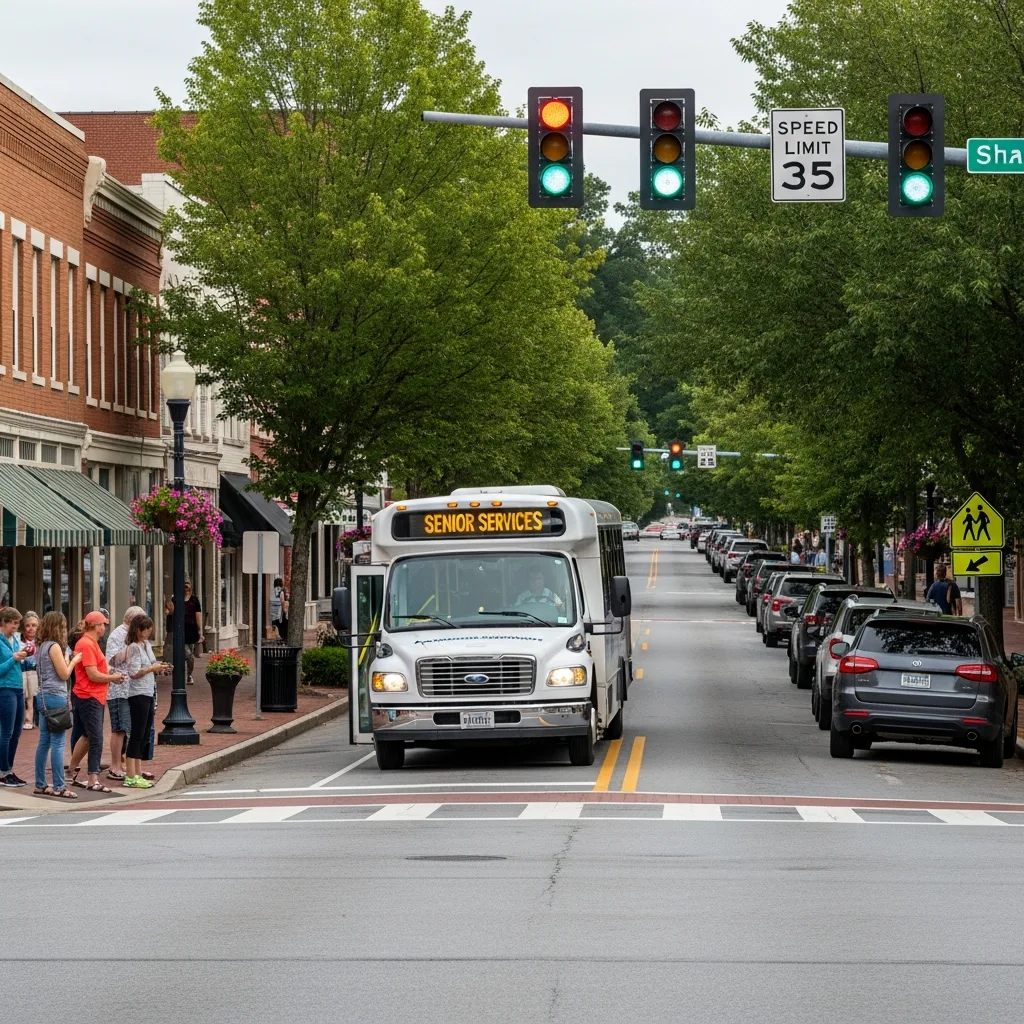
Main Street in downtown Woodstock, while charming, can also be deceptively dangerous due to its pedestrian-friendly nature and heavy vehicle traffic, including the Cherokee Area Transit System (CATS) buses. The coexistence of slower-moving vehicles, parked cars, pedestrians, and cyclists in a confined space increases the risk of low-speed but impactful collisions. Other significant roads and intersections that pose risks include Woodstock Road (GA-5), especially near the I-575 interchange, and various segments of Ridgewalk Parkway, which has seen rapid development and increased traffic volume. These areas, characterized by heavy traffic, complex intersections, and diverse vehicle types, are where a bus accident can suddenly turn an ordinary day into a life-altering event. The consequences in such busy areas are often magnified, underscoring the vital role of a dedicated legal team in piecing together what happened and holding negligent parties accountable.
Georgia Bus Accident Laws: Statutes, Fault Rules and Deadlines
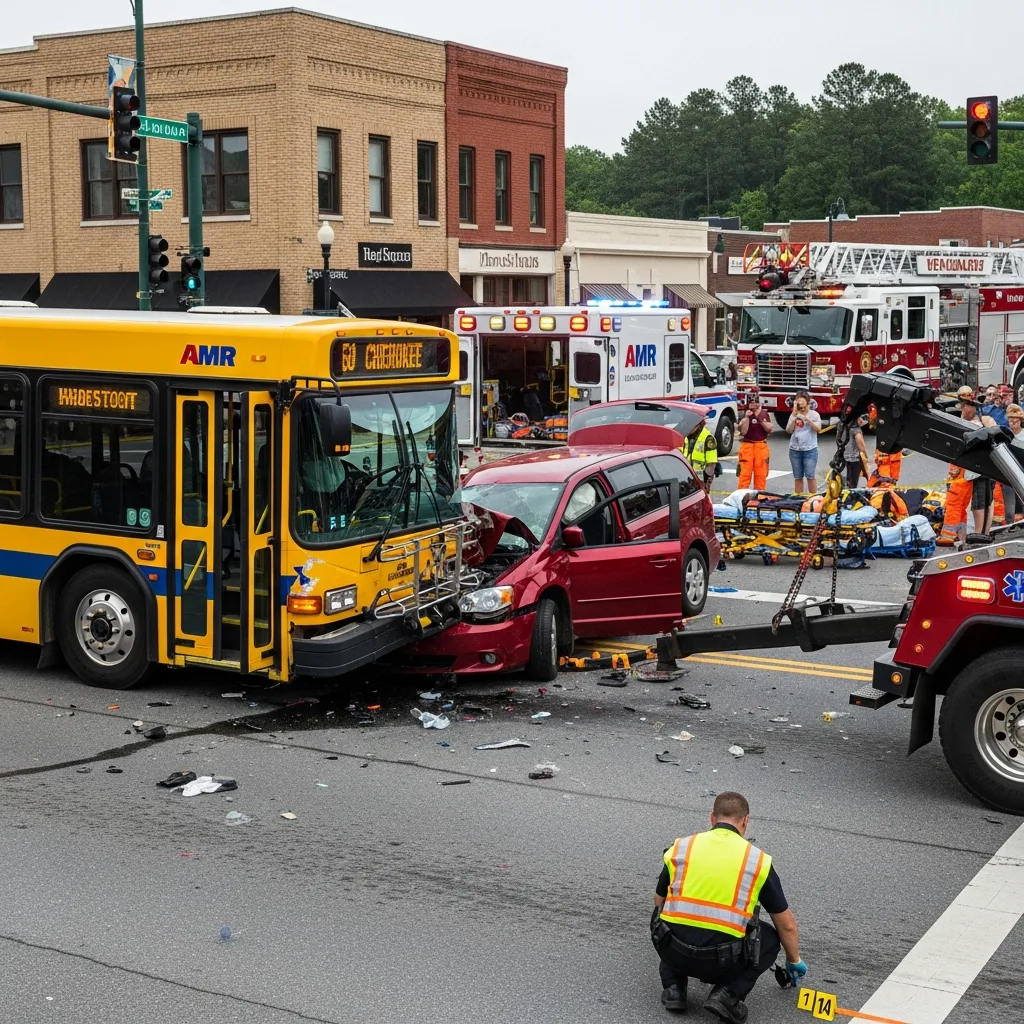
Navigating the legal aftermath of a bus accident in Georgia requires a comprehensive understanding of specific state statutes, fault rules, and critical deadlines. Unlike standard car accidents, bus collisions often involve a unique set of laws and regulations due to the commercial nature of buses and the potential involvement of governmental entities. Understanding these legal intricacies is paramount to protecting your rights and ensuring a successful claim for compensation.
One of the most critical aspects of any personal injury claim in Georgia, including bus accidents, is the Statute of Limitations. Under Official Code of Georgia Annotated (OCGA) § 9-3-33, you generally have two (2) years from the date of the accident to file a personal injury lawsuit. For property damage claims, the statute of limitations is typically four (4) years under OCGA § 9-3-30. While two years may seem like ample time, the process of investigation, evidence collection, and negotiation can be lengthy. Missing this deadline, even by a single day, will almost certainly result in the permanent forfeiture of your right to seek compensation, regardless of the merits of your case. It is crucial to consult with an experienced bus accident attorney in Woodstock immediately after an accident to ensure all deadlines are met. Moreover, if a governmental entity (such as a school district or municipal transit system like CATS) is involved, specific notice requirements under Georgia's Ante Litem Notice Statute (OCGA § 36-33-5) can significantly shorten the timeframe. For claims against municipalities, a notice of claim must be filed within six (6) months of the injury. For claims against the state, the notice period is twelve (12) months. These are extremely strict deadlines that, if missed, can bar your claim entirely.
Georgia operates under a Modified Comparative Fault rule, as outlined in OCGA § 51-12-33. This means that if you are found to be partially at fault for the accident, your compensation may be reduced by your percentage of fault. However, if you are determined to be 50% or more at fault, you are legally barred from recovering any damages whatsoever. For example, if a jury awards you $100,000 but finds you were 20% at fault, you would only receive $80,000. This rule underscores the importance of having a skilled attorney who can vigorously defend against any attempts by the at-fault party or their insurance company to shift blame onto you. Proving the other party's sole or predominant fault is a cornerstone of maximizing your recovery.
Furthermore, bus accidents are often governed by a complex web of federal and state regulations that apply specifically to commercial motor vehicles. For example, buses operating across state lines or those weighing over 10,001 pounds are subject to regulations set forth by the Federal Motor Carrier Safety Administration (FMCSA). These regulations cover driver qualifications, hours-of-service limits to prevent fatigued driving, vehicle maintenance requirements, and insurance minimums. Violations of FMCSA rules can be powerful evidence of negligence. Georgia also has its own Public Service Commission (PSC) regulations that apply to intrastate commercial transportation. Understanding which regulations apply to a specific bus type and incident is critical.
Regarding insurance minimums, commercial buses typically carry significantly higher liability insurance policies than private vehicles, often in the millions of dollars, due to the higher risk of severe injury and multiple victims. While this offers a larger pool of potential compensation, it also means the insurance companies involved are major corporations with vast resources dedicated to minimizing their payouts. An experienced bus accident attorney understands how to navigate these large policies, negotiate with their sophisticated legal teams, and ensure that the full extent of available coverage is pursued. AccidentLegalForce is well-versed in all these intricate Georgia laws and regulations, providing you with an authoritative guide through the legal process.
Common Injuries from Bus Accident Accidents in Woodstock
Bus accidents, by their very nature, often result in injuries that are far more severe and debilitating than those sustained in typical car collisions. The sheer size, weight, and momentum of a bus, combined with the lack of safety features like airbags or seatbelts for many passengers, contribute to catastrophic outcomes. For victims in Woodstock, these injuries can lead to immense physical pain, emotional trauma, and significant financial burdens, often impacting their lives for years to come.
One of the most devastating types of injuries sustained in bus accidents is a Traumatic Brain Injury (TBI). The sudden impact and violent forces involved can cause the brain to strike the inside of the skull, leading to concussions, contusions, or more severe diffuse axonal injuries. Symptoms range from headaches and dizziness to cognitive impairments, memory loss, personality changes, and even long-term disability. The treatment for TBI is often extensive, involving neurologists, physical therapists, occupational therapists, and speech therapists, with costs skyrocketing into the hundreds of thousands or even millions over a lifetime. The long-term impact on a victim's ability to work, maintain relationships, and live independently can be profound.
Spinal cord injuries are another common and often life-altering consequence of bus accidents. The violent forces can cause herniated discs, fractured vertebrae, or complete severing of the spinal cord, leading to partial or complete paralysis (paraplegia or quadriplegia). Even less severe spinal injuries can result in chronic pain, numbness, weakness, and limited mobility. Treatment involves emergency surgery, long-term rehabilitation, assistive devices, and ongoing medical care, incurring astronomical expenses. The emotional toll of a spinal cord injury, coupled with the physical challenges, can lead to significant psychological distress and a dramatically altered quality of life.
Fractures are almost inevitable in high-impact bus collisions. Bones in the limbs, ribs, pelvis, and skull can be shattered or broken, often requiring surgery, pins, plates, and lengthy recovery periods in casts or splints. Complex fractures can lead to permanent disfigurement, chronic pain, and limited range of motion. For example, multiple limb fractures can prevent a person from performing their job or engaging in daily activities, leading to lost wages and a diminished capacity for enjoyment of life. Soft tissue injuries, while sometimes overlooked, are also highly prevalent. These include severe sprains, strains, whiplash, and tears to muscles, tendons, and ligaments. While they may not be immediately life-threatening, they can cause chronic pain, limit mobility, and require extensive physical therapy, injections, or even surgery. Whiplash, particularly common, can lead to long-term neck pain, headaches, and nerve irritation.
Beyond the physical wounds, bus accidents often leave deep emotional scars. Post-Traumatic Stress Disorder (PTSD), anxiety, depression, and phobias (like fear of driving or being a passenger) are common psychological injuries. Victims may experience flashbacks, nightmares, severe emotional distress, and an inability to return to their normal routines. The psychological trauma can be as debilitating as the physical injuries, requiring therapy and medication, further adding to the overall cost and complexity of recovery. Finally, burns can occur in cases where there is a fuel leak, fire, or contact with hot surfaces, leading to excruciating pain, scarring, infection risk, and the need for multiple surgeries and skin grafts.
The costs associated with these severe injuries are staggering. They encompass emergency medical care, hospital stays, multiple surgeries, prescription medications, rehabilitation (physical, occupational, psychological), assistive devices, home modifications, and lost income. Many victims face a lifetime of ongoing medical needs. An experienced bus accident attorney from AccidentLegalForce understands the full scope of these injuries – both visible and invisible – and works tirelessly to ensure that all current and future medical expenses, as well as the profound impact on quality of life, are fully accounted for in the compensation sought.
Compensation Available for Woodstock Bus Accident Victims
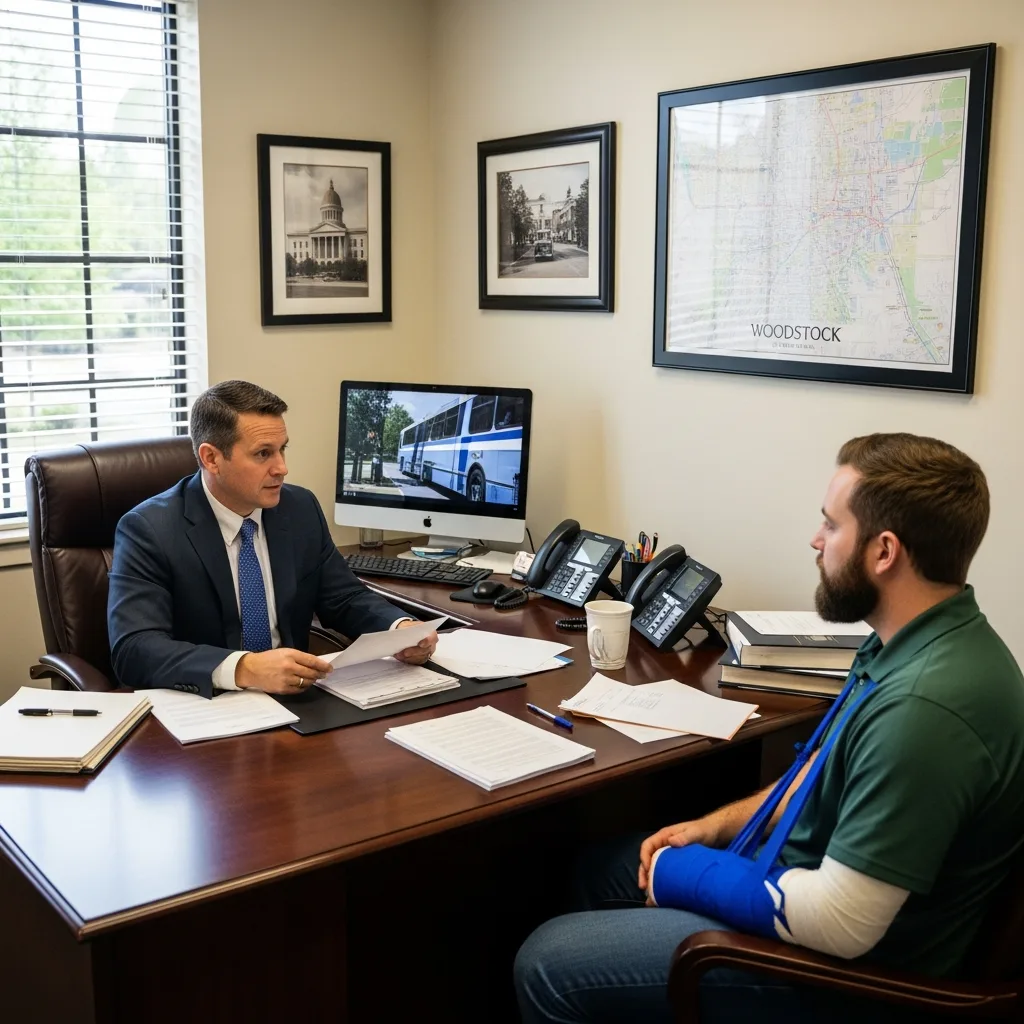
For victims of bus accidents in Woodstock, the path to recovery is often long and arduous, marked by physical pain, emotional distress, and mounting financial burdens. Securing fair compensation is not merely about reimbursement; it's about providing the resources necessary to heal, rebuild, and move forward with life. Under Georgia law, bus accident victims are entitled to seek various types of damages, broadly categorized into economic, non-economic, and in rare cases, punitive damages.
Economic damages, also known as special damages, are quantifiable financial losses directly resulting from the accident. These are relatively straightforward to calculate as they represent out-of-pocket expenses and lost income. Key components of economic damages typically include:
- Medical Expenses: This covers everything from emergency room visits, ambulance rides, hospital stays, surgeries, diagnostic tests (X-rays, MRIs, CT scans), prescription medications, doctor's appointments, and follow-up care. Crucially, it also includes future medical costs, which can be substantial for severe injuries requiring long-term rehabilitation, specialized equipment, or ongoing therapy.
- Lost Wages and Earning Capacity: If your injuries prevent you from working, you are entitled to compensation for lost income, both present and future. This includes salary, bonuses, commissions, and benefits. For those with permanent disabilities, compensation for diminished earning capacity (the difference between what you could have earned and what you can now earn) is a critical component.
- Property Damage: This covers the cost to repair or replace your vehicle or any other personal property damaged in the accident.
- Other Out-of-Pocket Expenses: This can include costs for transportation to medical appointments, childcare services while you recover, home modifications to accommodate disabilities, and other related expenses.
Non-economic damages, also known as general damages, are designed to compensate victims for the intangible losses that are harder to quantify but profoundly impact their quality of life. These damages are subjective and require skilled legal argumentation to establish their value. They include:
- Pain and Suffering: This is compensation for the physical pain and discomfort endured as a result of the injuries, both immediately after the accident and on an ongoing basis.
- Emotional Distress: This accounts for the psychological impact of the accident, such as anxiety, depression, fear, anger, humiliation, and Post-Traumatic Stress Disorder (PTSD).
- Loss of Enjoyment of Life: If your injuries prevent you from participating in hobbies, recreational activities, or daily routines you once enjoyed, you can seek compensation for this diminished quality of life.
- Loss of Consortium: If the accident has negatively impacted the relationship with your spouse due to your injuries, your spouse may be able to claim damages for loss of companionship, affection, and support.
- Disfigurement and Scarring: Compensation for any permanent visible physical changes resulting from the accident.
In rare and specific circumstances, punitive damages may be awarded under Georgia law (OCGA § 51-12-5.1). Unlike economic and non-economic damages, punitive damages are not intended to compensate the victim but rather to punish the at-fault party for their egregious conduct and deter similar behavior in the future. To be awarded punitive damages, there must be clear and convincing evidence that the defendant's actions showed willful misconduct, malice, fraud, wantonness, oppression, or that entire want of care which would raise the presumption of conscious indifference to consequences. Examples in a bus accident case might include a bus company knowingly employing a driver with a history of DUIs, operating a bus with severe, unaddressed maintenance issues, or intentionally violating safety regulations. Georgia law generally caps punitive damages at $250,000, though there are exceptions for cases involving drugs or alcohol.
Settlement ranges for bus accident cases in Woodstock vary immensely, from tens of thousands for minor injuries to millions for catastrophic injuries or wrongful death claims. The ultimate value depends on numerous factors: the severity of injuries, the extent of medical treatment, the duration of recovery, the impact on daily life and earning capacity, the clarity of liability, the total available insurance coverage, and the skill of your legal representation. An experienced attorney from AccidentLegalForce will meticulously assess all these factors, gather robust evidence, and fiercely negotiate or litigate to maximize your compensation, ensuring that your future needs are fully met.
How Our Woodstock Bus Accident Attorney Team Handles Your Case
When you choose AccidentLegalForce to represent you after a bus accident in Woodstock, you are entrusting your future to a team committed to a thorough, strategic, and client-focused legal process. We understand the immense stress and uncertainty you face, and our structured approach is designed to alleviate your burden while aggressively pursuing the justice and compensation you deserve. Our process begins with a crucial first step and progresses through meticulous investigation, negotiation, and, if necessary, litigation.
The journey begins with a free, no-obligation consultation. This initial meeting is an opportunity for you to share the details of your bus accident in Woodstock, explain your injuries, and discuss the impact it has had on your life. Our attorneys will listen empathetically, answer your questions, and provide an honest assessment of your legal options. We will explain the legal process in clear, understandable terms, outlining what you can expect at each stage. This consultation is vital for us to understand your unique situation and for you to feel confident in our ability to represent you effectively.
Once you decide to retain our services, our team immediately launches a comprehensive investigation into your bus accident. This phase is critical for establishing liability and building a strong case. Our investigation includes:
- Gathering Evidence: We will collect all available evidence, including accident reports, police reports, witness statements, photographs and videos of the accident scene, and surveillance footage from nearby businesses or the bus itself.
- Obtaining Key Documents: This involves requesting crucial records such as the bus driver's logbooks, employment records, commercial driver's license (CDL) history, drug and alcohol test results, the bus company's maintenance records, dispatch logs, and federal/state compliance records (FMCSA, Georgia PSC).
- Expert Consultation: We often collaborate with accident reconstruction specialists to analyze the crash dynamics, engineers to assess vehicle defects, and medical experts to thoroughly document the extent and long-term prognosis of your injuries.
- Securing Medical Records: We work to obtain all your medical records, bills, and prognosis reports to fully document the severity of your injuries, the course of treatment, and future medical needs.
Following a thorough investigation and the full understanding of your damages, we prepare a detailed demand letter. This letter formally outlines the facts of the accident, establishes liability based on the evidence collected, details the full extent of your injuries and damages (economic and non-economic), and presents a demand for compensation to the at-fault party's insurance company or legal representatives. This letter serves as the basis for initial settlement negotiations.
Negotiation is a core aspect of our approach. Our skilled Woodstock bus accident attorneys leverage their experience and the strength of the evidence to engage in fierce negotiations with insurance adjusters and opposing counsel. We meticulously counter lowball offers, present compelling arguments for your deserved compensation, and work tirelessly to achieve a fair settlement that fully accounts for your present and future needs. While many cases settle out of court, we are always prepared to take your case to trial if a fair settlement cannot be reached.
If negotiations fail to yield an equitable resolution, our team is fully prepared for litigation. This involves filing a lawsuit in the appropriate Georgia court, engaging in discovery (exchanging information and evidence with the opposing side), taking depositions (sworn testimonies), and preparing for trial. Our attorneys are seasoned litigators with extensive trial experience in Georgia courts. We will meticulously prepare your case, present compelling arguments, and advocate forcefully for your rights before a judge and jury. Throughout this entire process, our team maintains open and consistent communication with you, keeping you informed of every development and ensuring you understand each step. We handle all the legal complexities, allowing you to focus on your recovery and rebuilding your life after the bus accident in Woodstock.
Why Choose AccidentLegalForce in Woodstock
Choosing the right legal representation after a bus accident in Woodstock is one of the most critical decisions you will make. The outcome of your case can profoundly impact your financial stability, access to medical care, and overall quality of life. At AccidentLegalForce, we distinguish ourselves through a combination of expertise, dedication, and a client-centered approach that consistently prioritizes your best interests. We believe our firm offers unparalleled advantages for bus accident victims in Woodstock.
One of the most significant advantages of choosing AccidentLegalForce is our contingency fee basis. This means you pay nothing upfront for our legal services. Our fees are contingent upon us successfully recovering compensation for you. If we don't win your case, you don't pay attorney fees. This arrangement eliminates financial barriers to justice, allowing you to pursue your claim without added stress, regardless of your current financial situation. It demonstrates our confidence in our ability to deliver results and aligns our success directly with yours. We shoulder the financial risk of litigation so you can focus on your recovery without worrying about legal bills.
Our team boasts extensive trial experience, a crucial differentiator in personal injury law. While many cases settle out of court, the willingness and ability of your attorney to take a case to trial significantly strengthen your position during negotiations. Insurance companies and opposing counsel are well aware of which firms are prepared to litigate versus those that prefer to settle quickly. When they know your attorney has a proven track record in the courtroom, they are often more inclined to offer a fair settlement. At AccidentLegalForce, we are not afraid to go to court and fight for what you deserve. Our litigators are skilled, aggressive, and have a deep understanding of courtroom procedures and persuasive advocacy, ensuring you have a powerful voice if your case proceeds to trial.
Furthermore, our firm possesses invaluable local court knowledge specific to Woodstock and the broader Cherokee County judicial system. We understand the nuances of the local legal landscape, the preferences of local judges, and the tendencies of juries in this community. This intimate knowledge allows us to strategically navigate your case, anticipate challenges, and present arguments that resonate effectively within the local context. Dealing with local law enforcement, understanding traffic patterns, and having connections with local experts further enhance our ability to build a robust and compelling case tailored to the Woodstock environment. This local insight is a significant advantage over firms that lack a strong presence and understanding of the specific jurisdiction.
At AccidentLegalForce, we are committed to providing exceptional client service, which includes 24/7 availability for urgent matters. Bus accidents are unexpected and traumatic events that don't adhere to business hours. We understand that you may have pressing questions, concerns, or need immediate guidance at any time. Our commitment to accessibility ensures that you can reach us when you need us most, providing peace of mind during a challenging period. We believe in proactive communication, keeping you informed at every stage of your case and always being available to address your needs. We are not just your legal representatives; we are your dedicated advocates, fighting tirelessly for the justice and compensation you deserve after a bus accident in Woodstock. Our focus is entirely on you, your recovery, and your future.

What to Do After a Bus Accident in Woodstock
The moments immediately following a bus accident can be chaotic and disorienting, making it difficult to think clearly. However, the actions you take (or don't take) in the immediate aftermath can significantly impact your health, safety, and the strength of any future legal claim. Knowing what steps to take can protect your rights and help build a strong foundation for your case. This guide provides essential actions for anyone involved in a bus accident in Woodstock.
1. Call 911 Immediately: Your absolute first priority is safety and summoning emergency services. Even if injuries seem minor, call 911. This will dispatch police, fire, and paramedics to the scene. The police will create an official accident report, which is a crucial piece of evidence for your claim. Paramedics can assess injuries and provide immediate medical attention. Do not assume someone else has called; make the call yourself.
2. Seek Medical Attention: Even if you feel fine, it is critical to be examined by medical professionals. Adrenaline can mask pain and injuries, and some serious conditions, like concussions or internal bleeding, may not manifest symptoms for hours or even days. Accept transport to the emergency room if offered, or visit an urgent care facility or your doctor as soon as possible after leaving the scene. A medical record documenting your injuries immediately after the accident is undeniable proof that your injuries were caused by the bus accident. Delaying medical care can be used by insurance companies to argue that your injuries were not severe or were caused by something else.
3. Document the Scene (If Safe to Do So): If your physical condition allows and it is safe, gather as much evidence as possible at the scene. This includes:
- Photographs and Videos: Use your phone to take pictures and videos of the damaged vehicles (bus and any other vehicles), the accident scene from multiple angles, road conditions, traffic signs, skid marks, debris, and any visible injuries you or others sustained.
- Witness Information: Collect contact information (names, phone numbers, email addresses) from any witnesses. Their testimony can be invaluable.
- Bus Information: Note the bus company name, bus number, license plate, and any identifying markings on the bus.
- Driver Information: Get the bus driver's name, contact information, and insurance details if possible.
- Police Report Number: Ask the responding officer for the incident report number or how to obtain a copy.
4. Preserve Evidence: Beyond the immediate scene documentation, be mindful of other evidence:
- Do not tamper with your vehicle.
- Keep all medical records, bills, and receipts related to your injuries and treatment.
- Maintain a detailed journal of your pain levels, symptoms, limitations, and how the injuries impact your daily life.
- Do not post about the accident on social media. Insurance companies routinely monitor social media accounts for anything that can be used against your claim.
- Do not give a recorded statement to the bus company's insurance adjuster or sign any documents without first consulting with an attorney. They are not on your side and may try to elicit information that harms your case or get you to settle for less than you deserve.
5. Contact a Bus Accident Attorney at AccidentLegalForce: This is perhaps the most crucial step after ensuring your safety and medical needs. The complexities of bus accident claims, involving multiple parties, specialized regulations, and aggressive insurance companies, demand expert legal guidance. Our Woodstock bus accident attorneys can:
- Protect your rights and communicate with insurance companies on your behalf.
- Conduct a thorough independent investigation to gather crucial evidence that may be overlooked.
- Help you understand your legal options and the full value of your claim.
- Ensure all necessary paperwork is filed correctly and within strict Georgia deadlines.
- Negotiate for maximum compensation for your medical bills, lost wages, pain and suffering, and other damages.
- Represent you aggressively in court if a fair settlement cannot be reached.
Taking these steps promptly and deliberately will significantly strengthen your position and provide your legal team with the foundation needed to build a successful bus accident claim in Woodstock.
"After my Bus Accident accident in Woodstock, I was lost. This team got me 3x what insurance offered. They fought hard and delivered."
"My claim was denied twice. These attorneys appealed and got me full compensation. Best decision I ever made."
"Available 24/7, they answered every question. Recovered $420k for my case. Highly recommend."
"Professional and aggressive. They knew exactly how to handle my case and got maximum compensation. Zero upfront cost."
Frequently Asked Questions
How much does a bus accident attorney cost in Woodstock?
At AccidentLegalForce, we work on contingency — zero upfront cost. You pay nothing unless we win.
How long do I have to file a claim in Georgia?
Georgia typically has a 2-3 year statute of limitations. Act fast — evidence disappears quickly.
What compensation can I recover after a bus accident in Woodstock?
Medical expenses, lost wages, pain & suffering, property damage, emotional distress, and punitive damages in egregious cases.
How long does a bus accident case take in Georgia?
Most cases settle in 6-18 months. Complex cases may take longer. We push for fast resolution without sacrificing maximum compensation.
Can I recover damages if I was partially at fault?
Georgia uses comparative negligence. As long as you're not more than 50-51% at fault, you can still recover damages proportional to the other party's fault.