Why You Need a Bus Accident Attorney in Savannah
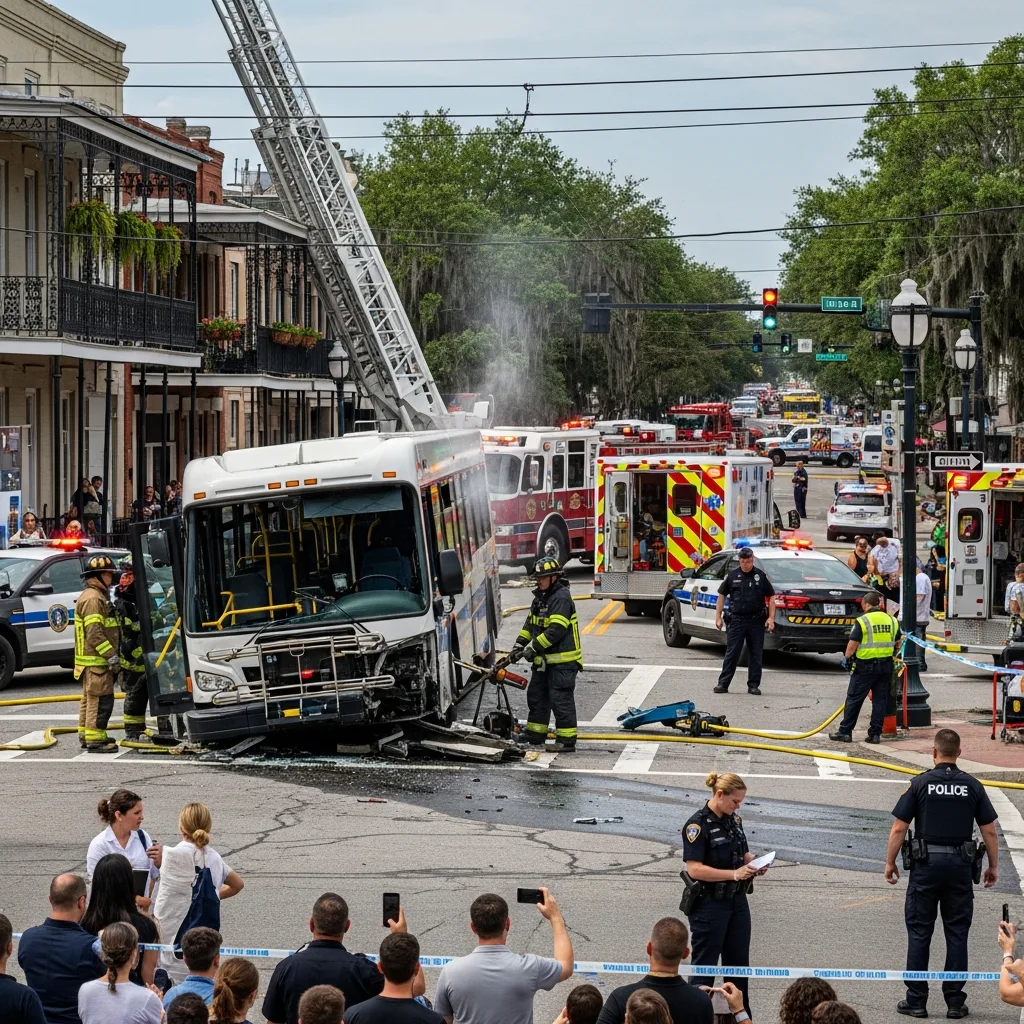
Savannah, Georgia, a city renowned for its historic charm, vibrant tourism, and bustling port, unfortunately, experiences its share of bus accidents. While these incidents may not dominate daily headlines, their impact on victims can be catastrophic, necessitating the immediate and expert intervention of a dedicated bus accident attorney. The unique confluence of factors in Savannah – from its narrow, historic streets to its ever-increasing population and heavy traffic patterns – creates an environment where large vehicle collisions, including those involving buses, are an unfortunate reality.
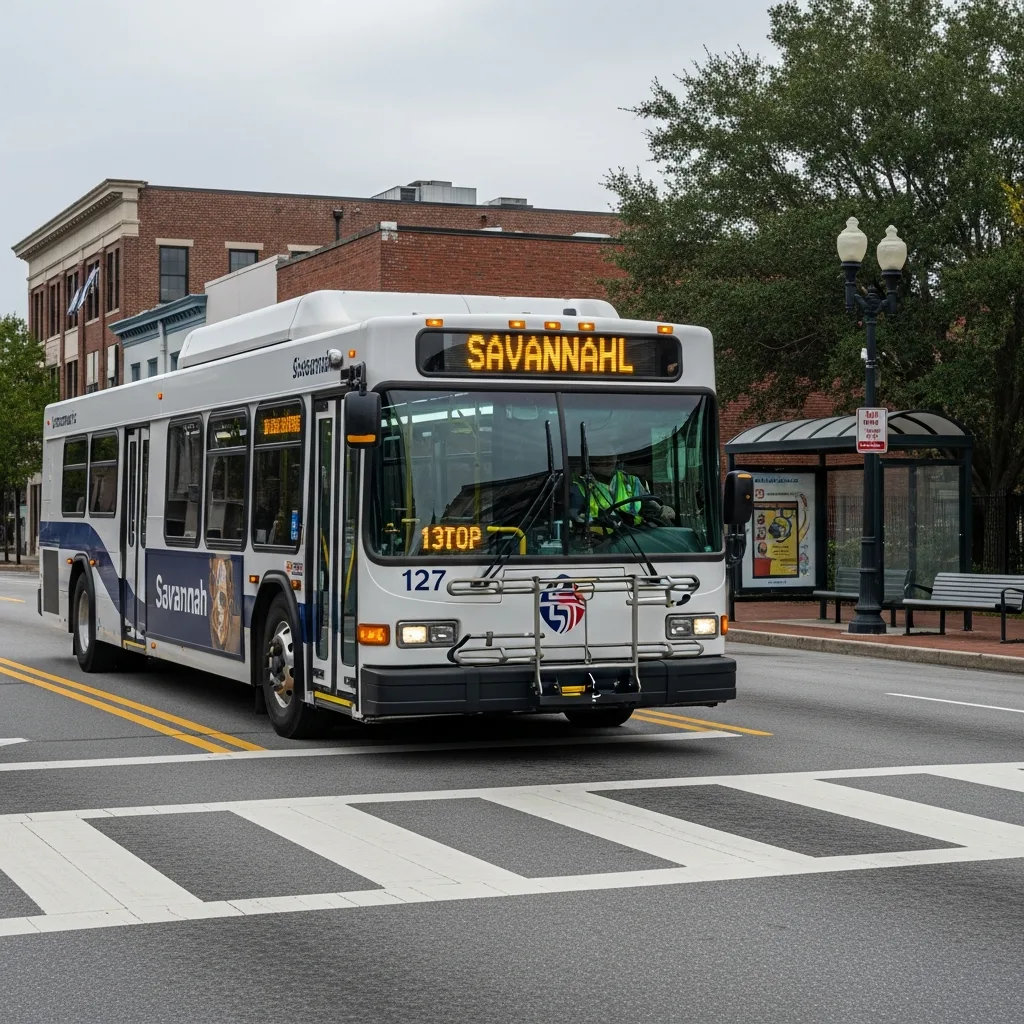
Consider the dynamic landscape of Savannah: a magnet for tourists who rely on tour buses, shuttle services, and the Chatham Area Transit (CAT) system to explore its iconic squares and waterfront. Simultaneously, the city's population continues to expand, leading to more commuters and increased vehicle density on major arteries like Abercorn Street, Victory Drive, and the intricate network of interstates surrounding the metropolitan area. This blend of tourist activity and local congestion means that CAT buses, school buses, private charters, Greyhound coaches, and even smaller shuttle vans are constantly navigating challenging conditions. A bus driver, despite training, can be prone to human error, distraction, or fatigue. Mechanical failures, inadequate maintenance, or even the negligence of other drivers on Savannah’s roads can also precipitate a devastating bus accident.
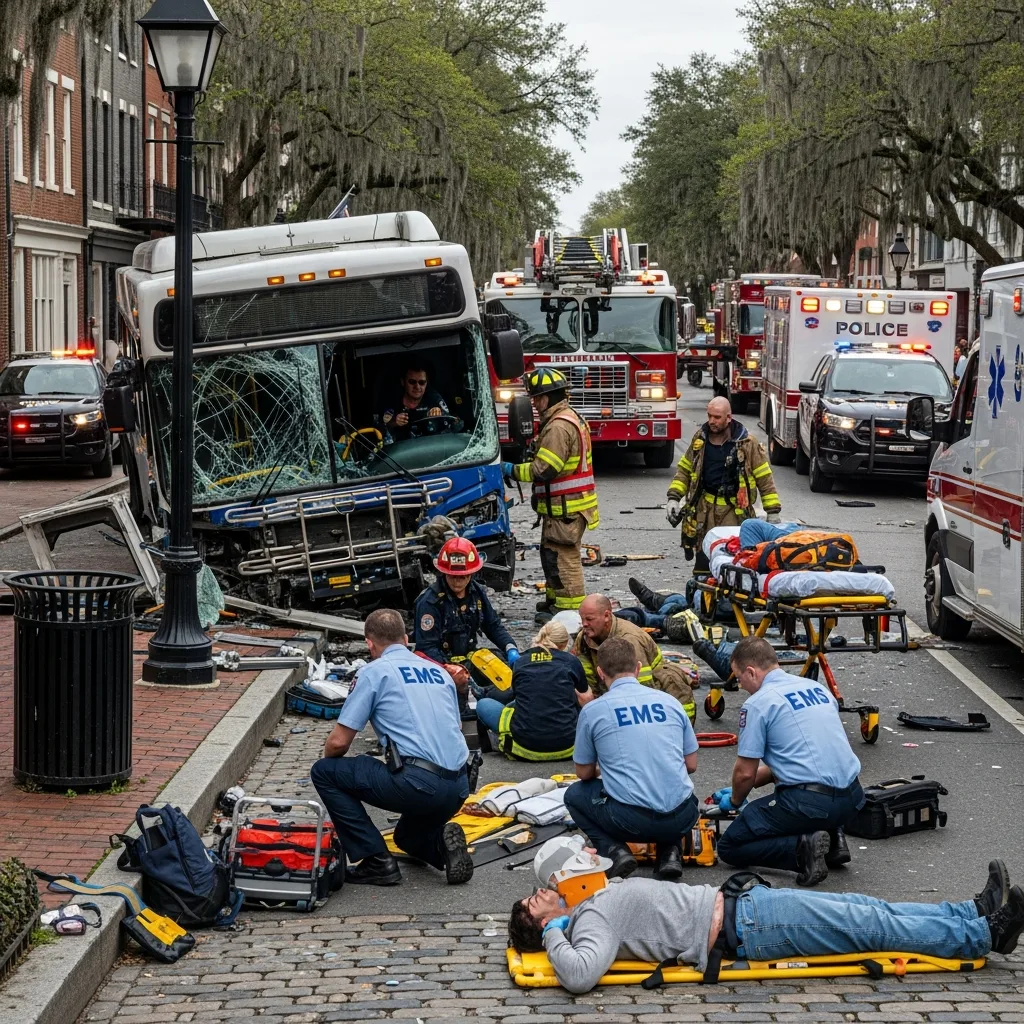
The aftermath of a bus accident in Savannah is often far more complex than a standard car crash. For one, the sheer size and weight of a bus mean that collisions frequently result in severe injuries, sometimes life-altering or even fatal. Victims may find themselves grappling with extensive medical bills, lost wages, and profound emotional trauma. Compounding this challenge is the intricate web of liability. Who is responsible? Is it the bus driver, the bus company, a private charter operator, a school district, a municipal entity like CAT, or even the manufacturer of a faulty bus part? Each scenario involves different legal statutes, insurance policies, and layers of bureaucracy. For example, pursuing a claim against a government-operated bus service, such as CAT, involves specific and stringent legal procedures and deadlines, known as "Ante Litem Notice" requirements under Georgia law, which differ significantly from claims against private companies. Missing these critical deadlines can permanently bar your right to compensation, regardless of the severity of your injuries.
Navigating this intricate legal landscape requires an attorney with specialized knowledge and experience in bus accident litigation in Georgia, specifically with a deep understanding of Savannah’s local courts and traffic patterns. An expert bus accident attorney from AccidentLegalForce understands the various types of buses operating in Savannah and the specific regulations governing them – whether it's federal FMCSA regulations for interstate carriers like Greyhound or state and local rules for school buses and public transit. We know how to conduct a thorough investigation, identify all potentially liable parties, and meticulously gather the evidence needed to build a compelling case. This includes securing black box data, driver logs, maintenance records, surveillance footage, and expert testimony. Without professional legal guidance, victims risk being overwhelmed by aggressive insurance adjusters, who often seek to minimize payouts, or overlooking crucial legal details that could severely undermine their claim. Choosing a local Savannah bus accident attorney means having a dedicated advocate who understands the unique challenges and legal nuances of your situation, fighting tirelessly to protect your rights and secure the maximum compensation you deserve.
Most Dangerous Roads and Intersections in Savannah, GA
While any road in Savannah can be the scene of an unexpected accident, certain arteries and intersections consistently pose a higher risk due to traffic volume, design complexities, and driver behavior. For large vehicles like buses, navigating these treacherous zones can be particularly challenging, often leading to severe collisions. Understanding these specific hazardous locations is crucial for both drivers and pedestrians, and it forms a vital part of our investigative process when representing bus accident victims in Savannah. Our legal team at AccidentLegalForce leverages this local knowledge to build stronger cases, recognizing the environmental factors that contribute to bus accidents across the city.
Interstates and Major Highways:
- I-16 (East and West): This interstate is a primary connector for travelers entering and exiting Savannah, particularly from Macon and further points west. It’s notorious for high speeds, heavy commercial truck traffic heading to and from the Port of Savannah, and frequent lane changes. Bus accidents here can involve high-speed impacts, leading to devastating outcomes.
- I-95 (North and South): Running along the western edge of Chatham County, I-95 is a major north-south corridor for the entire East Coast. Its sustained high speeds, combined with significant tourist and commercial traffic, make it a high-risk area for all vehicles, including large passenger buses like Greyhound. Accidents often involve multiple vehicles and can cause severe chain reactions.
- I-516 (Chatham Parkway): Often referred to as "Chatham Parkway," I-516 is a critical urban loop that experiences heavy daily commuter traffic. With numerous exits and entrances, it's prone to congestion, sudden stops, and merging errors. The presence of large buses navigating these busy on-ramps and off-ramps significantly increases the potential for side-swipe or rear-end collisions.
State Routes and Major Boulevards:
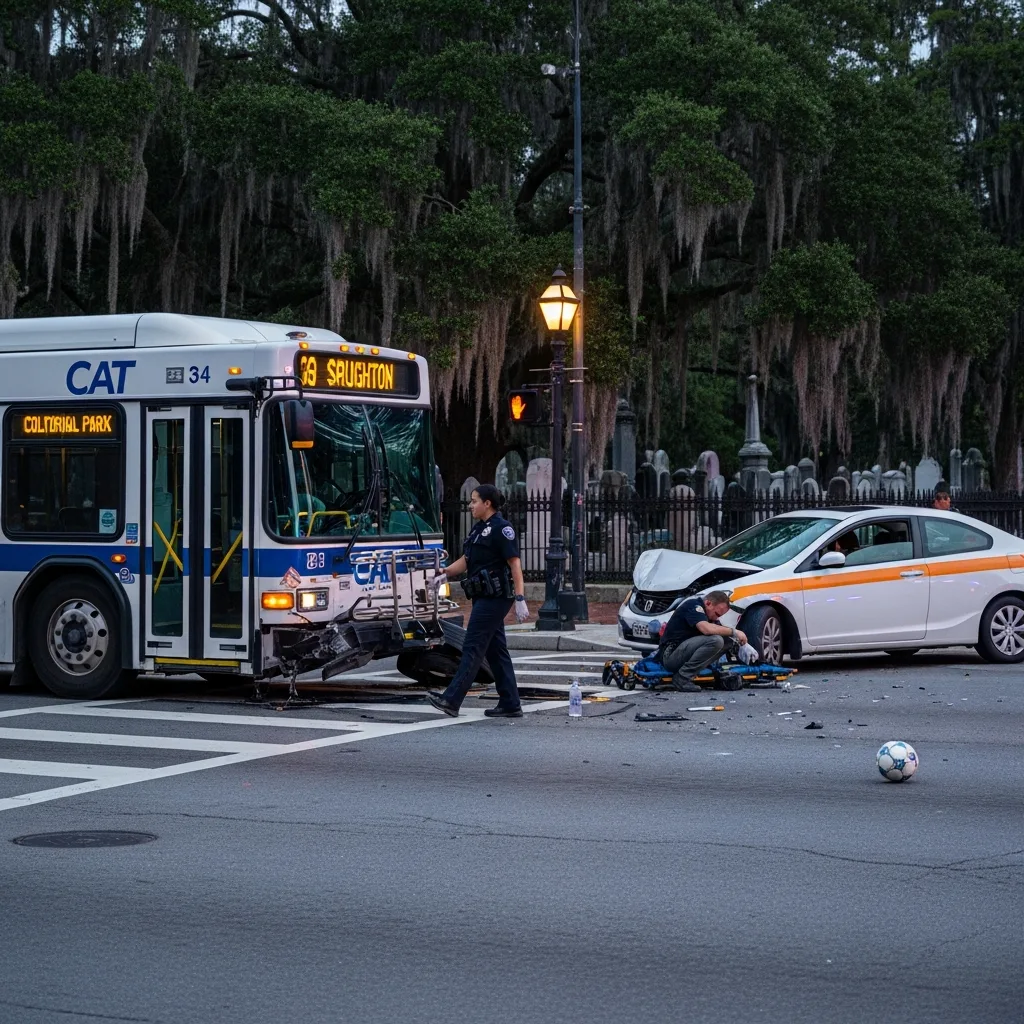
- Abercorn Street (US-17/GA-204): As one of Savannah’s longest and busiest commercial corridors, Abercorn Street is a constant hub of activity. With numerous shopping centers, businesses, and residential areas, it features multiple traffic lights, frequent pedestrian crossings, and constant merging traffic. This creates a challenging environment for CAT buses and other commercial vehicles, where distracted driving and failure to yield are common causes of accidents.
- Victory Drive (US-80): This bustling thoroughfare connects downtown Savannah to Tybee Island and is a major artery for both locals and tourists. High traffic volumes, particularly during peak seasons and weekends, coupled with multiple lane changes and access points to popular attractions, contribute to its danger. Bus accidents here can impact both vehicle occupants and vulnerable pedestrians.
- Ogeechee Road (US-17 South): Stretching southwest from the city, Ogeechee Road is a mix of commercial zones and developing residential areas. It often sees higher speeds and a mix of local and through traffic. The blend of high-speed sections with sudden commercial access points can lead to unexpected braking and rear-end collisions, particularly problematic for heavy buses.
- MLK Jr. Boulevard: Running through the heart of downtown, MLK Jr. Boulevard is a vital link to the historic district. Its proximity to tourist attractions, hotels, and the Savannah Convention Center means constant pedestrian traffic and tight turns, particularly for larger tour buses. Accidents in this area often involve pedestrians or involve buses making wide turns in limited space.
- Bay Street and River Street: These iconic waterfront streets are synonymous with Savannah tourism. While speeds are generally lower, the narrowness of the streets, high volume of pedestrian traffic, and frequent stops for tour buses and trolleys create unique hazards. Pedestrian-bus accidents are a significant concern here, as are low-speed collisions due to tight maneuvering.
Intersections of Concern:
Intersections where these major roads converge are particularly problematic. For instance, the intersections along Abercorn Street, such as Abercorn and DeRenne Avenue, Abercorn and Victory Drive, and Abercorn and Eisenhower Drive, are consistently cited for high accident rates. Similarly, complex intersections along Victory Drive, like its merge with Skidaway Road, can be confusing for drivers and dangerous for buses making turns. These areas are prone to right-of-way violations, left-turn collisions, and rear-end accidents in stop-and-go traffic.
The dense urban environment of Savannah, combined with the presence of large commercial and public transit buses, demands a heightened awareness of these dangerous areas. Our firm meticulously investigates the precise location of your bus accident in Savannah, understanding how the specific road conditions and traffic patterns may have contributed to the incident. This detailed, local-centric approach is fundamental to establishing fault and building an undeniable case for your compensation.
Georgia Bus Accident Laws: Statutes, Fault Rules and Deadlines
Navigating the legal aftermath of a bus accident in Savannah involves a complex interplay of Georgia state laws, federal regulations, and strict deadlines. Understanding these legal frameworks is paramount to preserving your right to compensation. At AccidentLegalForce, we possess an in-depth understanding of Georgia’s unique statutes, fault rules, and the critical time limits that apply to bus accident claims, ensuring our clients’ rights are fully protected from the outset.
Statute of Limitations:
One of the most critical aspects of any personal injury claim in Georgia is the statute of limitations. For most personal injury cases, including those arising from bus accidents, Georgia law (O.C.G.A. § 9-3-33) dictates a strict deadline of two (2) years from the date of the injury to file a lawsuit. If you fail to file your claim within this two-year window, you will almost certainly lose your right to seek compensation, regardless of the merits of your case or the severity of your injuries.
However, bus accidents often present additional complexities that can significantly alter this timeline, particularly when a government entity is involved. If the bus is owned or operated by a state, county, or municipal entity – such as the Chatham Area Transit (CAT) system or a public school district – a different, much shorter deadline applies. This is known as the Ante Litem Notice requirement.
- For claims against the State of Georgia, you generally have 12 months from the date of injury to provide written notice of your intent to sue (O.C.G.A. § 50-21-26).
- For claims against a county or municipal corporation (like the City of Savannah or Chatham County), this notice period is even shorter, typically 6 months from the date of injury (O.C.G.A. § 36-11-1 and O.C.G.A. § 36-33-5).
These Ante Litem notices are highly technical documents that must contain specific information and be delivered to the correct governmental officials. Failing to comply with these strict requirements can extinguish your claim. The presence of a minor as a victim can sometimes toll the statute of limitations until they reach the age of majority, but even then, the Ante Litem rules often still apply and must be carefully navigated.
Georgia's Comparative Fault Rules:
Georgia operates under a system of Modified Comparative Negligence (O.C.G.A. § 51-12-33). This rule determines how your own degree of fault, if any, impacts your ability to recover damages.
- If you are found to be less than 50% at fault for the accident, you can still recover damages, but your compensation will be reduced by your percentage of fault. For example, if you are awarded $100,000 in damages but are found to be 20% at fault, your recovery will be $80,000.
- However, if you are found to be 50% or more at fault for the bus accident, Georgia law prohibits you from recovering any compensation whatsoever.
This rule underscores the critical importance of a thorough investigation to establish the clear fault of the bus driver or bus company and minimize any potential allocation of blame to you, the victim. Insurance companies will invariably attempt to shift blame to reduce their payout, making expert legal representation essential.
Specific Statutes and Regulations:
Bus accidents often involve multiple layers of specific regulations:
- Common Carriers: Many buses, especially those transporting passengers for a fee (like Greyhound, charter buses, or CAT), are considered "common carriers" under Georgia law. Common carriers owe a higher duty of care to their passengers compared to ordinary drivers, meaning they are expected to exercise extraordinary diligence to ensure passenger safety.
- Federal Motor Carrier Safety Administration (FMCSA) Regulations: For interstate buses (e.g., Greyhound) and some private charter buses, strict federal regulations apply regarding driver qualifications, hours of service, vehicle maintenance, and drug/alcohol testing. Violations of these rules can be strong evidence of negligence.
- Georgia Department of Public Safety (DPS) Regulations: Intrastate buses, school buses, and other commercial passenger vehicles operating solely within Georgia are subject to state-specific regulations concerning inspections, driver licensing, and safety standards.
- Negligence: The fundamental principle of negligence applies, requiring proof that the at-fault party breached a duty of care, causing your injuries.
Insurance Minimums:
The amount of liability insurance a bus company carries is crucial for compensation.
- Federal Requirements: Buses carrying 16 or more passengers engaged in interstate commerce generally require a minimum of $5,000,000 in liability insurance. Smaller commercial buses may require $1,500,000. These high limits reflect the potential for catastrophic injuries in bus accidents.
- State and Local Requirements: For intrastate buses, school buses, and municipal transit systems like CAT, insurance requirements can vary but are often substantial due to the public safety aspect. However, governmental entities may be self-insured or have sovereign immunity limitations on damage awards, further complicating claims.
Understanding these detailed legal requirements is critical. AccidentLegalForce meticulously applies Georgia’s statutes and relevant regulations to your Savannah bus accident case, ensuring every deadline is met and every legal avenue is explored to maximize your recovery.
Common Injuries from Bus Accident Accidents in Savannah
Bus accidents, by their very nature, are high-impact events with the potential to inflict severe and life-altering injuries on victims. The sheer size and weight of a bus, combined with the fact that passengers are often unrestrained, can transform a sudden stop or collision into a devastating ordeal. In the aftermath of a bus accident in Savannah, victims frequently grapple with a range of physical, emotional, and financial burdens. At AccidentLegalForce, we understand the profound impact these injuries have and meticulously document every aspect of our clients' medical journey to ensure they receive full compensation for their suffering and treatment costs.
Traumatic Brain Injuries (TBI):
One of the most common and devastating injuries from bus accidents is a Traumatic Brain Injury. The force of impact can cause the brain to violently strike the inside of the skull, leading to concussions, contusions, or diffuse axonal injury. Even a "mild" concussion can have significant long-term effects, including persistent headaches, dizziness, memory problems, difficulty concentrating, mood changes, and sleep disturbances. More severe TBIs can result in permanent cognitive deficits, speech impediments, motor control issues, and personality changes, requiring extensive rehabilitation and lifelong care. The invisible nature of many TBIs often leads to underestimation by insurance companies, making expert legal advocacy crucial.
Spinal Cord Injuries:
The violent forces in a bus crash can cause severe damage to the spinal column and the delicate spinal cord within. This can range from herniated or bulging discs, which cause chronic pain and neurological symptoms, to vertebral fractures or complete severing of the spinal cord. Spinal cord injuries can lead to partial or complete paralysis (paraplegia or quadriplegia), loss of sensation, and loss of bodily functions. These injuries are catastrophic, requiring immediate surgical intervention, extensive rehabilitation, assistive devices, and often lifelong medical care, fundamentally altering a victim's independence and quality of life.
Fractures and Broken Bones:
The immense forces involved in bus collisions frequently result in multiple fractures. Bones in the limbs (arms, legs, wrists, ankles), ribs, pelvis, and skull are particularly vulnerable. These breaks can be simple or compound, comminuted (shattered), or open, requiring complex surgeries, pins, plates, and lengthy periods of immobilization and physical therapy. Recovery can be painful and protracted, often leading to reduced mobility, chronic pain, and sometimes permanent disability. A broken bone might seem straightforward, but complications like non-union, infection, or nerve damage can escalate treatment costs and extend recovery timelines dramatically.
Soft Tissue Injuries:
While often less visually dramatic than fractures or TBIs, soft tissue injuries can be incredibly painful and debilitating. Whiplash, a common injury from sudden acceleration-deceleration forces, affects the muscles, ligaments, and tendons in the neck and upper back. Sprains, strains, and muscle tears in other parts of the body (e.g., shoulders, lower back, knees) are also frequent. These injuries can cause chronic pain, stiffness, limited range of motion, and can lead to long-term conditions if not properly treated. Insurance adjusters often try to minimize the severity of soft tissue injuries, making it essential to have comprehensive medical documentation and legal representation to prove their impact.
Burns and Lacerations:
In severe bus accidents, particularly those involving fuel leaks or electrical fires, victims can sustain severe burns. These can range from superficial to third-degree, requiring specialized burn unit care, skin grafts, and extensive rehabilitation, often leaving permanent scarring and disfigurement. Shattered glass and torn metal can cause deep lacerations and abrasions, which may require stitches, cause significant blood loss, and lead to permanent scarring or nerve damage.
Internal Organ Damage:
Blunt force trauma from a bus collision can lead to internal injuries that are not immediately apparent. These can include ruptured organs (e.g., spleen, liver), internal bleeding, punctured lungs, or damage to the kidneys. Such injuries are medical emergencies, often requiring immediate surgery and extensive hospitalization.
Psychological Trauma (PTSD):
Beyond the physical wounds, the emotional and psychological toll of a bus accident can be profound. Victims often experience Post-Traumatic Stress Disorder (PTSD), characterized by anxiety, depression, flashbacks, nightmares, and a debilitating fear of travel or large vehicles. This psychological trauma can severely impact daily life, relationships, and the ability to work, often requiring extensive therapy and counseling.
The costs associated with these injuries are staggering, encompassing emergency medical care, surgeries, hospital stays, medication, physical and occupational therapy, long-term rehabilitation, assistive devices, home modifications, and psychological counseling. Many victims also face a significant loss of income due to their inability to work. AccidentLegalForce understands that these injuries not only inflict physical pain but also create a cascade of financial and emotional hardships. Our firm works diligently with medical experts to fully assess the immediate and long-term impact of your injuries, ensuring that your compensation reflects the true cost of your recovery and ongoing care in Savannah.

Compensation Available for Savannah Bus Accident Victims
When you or a loved one are involved in a bus accident in Savannah, the resulting physical, emotional, and financial burdens can be overwhelming. Understanding the types of compensation available under Georgia law is crucial for victims seeking justice and recovery. At AccidentLegalForce, our primary goal is to meticulously identify and calculate every possible damage you've incurred, ensuring you receive the maximum compensation allowed to help rebuild your life after such a traumatic event. Georgia law categorizes damages into several distinct types: economic, non-economic, and, in rare instances, punitive damages.
Economic Damages (Special Damages):
These are quantifiable financial losses directly resulting from the bus accident and your injuries. They are typically easier to calculate as they come with invoices, bills, and wage statements.
- Medical Expenses: This is often the largest component of economic damages. It includes all past and future medical costs related to your injuries. This encompasses emergency room visits, ambulance fees, hospital stays, surgical procedures, doctor appointments, prescription medications, physical therapy, occupational therapy, rehabilitation programs, chiropractic care, assistive devices (e.g., wheelchairs, crutches), and any necessary future medical treatments or long-term care. We work with medical professionals to project the full scope of your future medical needs.
- Lost Wages and Loss of Earning Capacity: If your injuries prevent you from working, you are entitled to compensation for the income you have lost from the date of the accident until you can return to your job. Furthermore, if your injuries result in a permanent disability or diminished ability to perform your previous work, you can claim for the loss of future earning capacity. This accounts for the difference between what you would have earned throughout your career versus what you are now able to earn due to the accident.
- Property Damage: While often less significant in bus accident cases where the victim is a passenger, if your personal belongings (e.g., laptop, phone, specialized equipment) were damaged or destroyed in the crash, you can seek compensation for their repair or replacement value.
- Out-of-Pocket Expenses: This category covers miscellaneous costs directly related to your injuries and recovery, such as transportation to and from medical appointments, childcare expenses incurred due to your incapacity, modifications to your home or vehicle to accommodate a disability, and other incidentals.
Non-Economic Damages (General Damages):
These damages are more subjective and compensate victims for the intangible losses associated with their pain, suffering, and diminished quality of life. While harder to quantify with a precise dollar amount, they are a critical component of a comprehensive personal injury claim.
- Pain and Suffering: This encompasses the physical pain and discomfort you have endured and will continue to endure as a result of your injuries. It also includes emotional distress, mental anguish, shock, anxiety, and fear stemming from the accident and its aftermath.
- Loss of Enjoyment of Life: If your injuries prevent you from participating in hobbies, recreational activities, social events, or other aspects of life that you previously enjoyed, you can seek compensation for this profound loss. This includes the inability to engage with family or pursue personal passions.
- Disfigurement and Scarring: Permanent physical changes, such as severe scarring or disfigurement, can lead to significant emotional distress, self-consciousness, and psychological impact. Compensation is available for these visible and lasting injuries.
- Loss of Consortium: In cases where a spouse is severely injured, their uninjured partner may be able to claim damages for the loss of companionship, affection, aid, and sexual relations within the marriage due to the injury.
Punitive Damages (Under Georgia Law):
Punitive damages are distinct from economic and non-economic damages. Their purpose is not to compensate the victim but to punish the at-fault party for particularly egregious conduct and to deter similar behavior in the future. In Georgia, punitive damages are governed by O.C.G.A. § 51-12-5.1.
- To be awarded punitive damages, there must be clear and convincing evidence that the defendant’s actions demonstrated willful misconduct, malice, fraud, wantonness, oppression, or that entire want of care which would raise the presumption of conscious indifference to consequences. This means simple negligence is not enough; there must be a higher degree of culpability, such as a bus driver driving under the influence, a bus company knowingly operating an unsafe vehicle, or a pattern of gross disregard for safety.
- Cap: Generally, punitive damages in Georgia are capped at $250,000, with one exception: this cap does not apply if the defendant acted with specific intent to cause harm or if the defendant's conduct involved products, services, or transactions when the defendant acted or failed to act while under the influence of alcohol or controlled substances.
Punitive damages are rare and only awarded in the most severe cases of misconduct.
Settlement Ranges for Bus Accident Claims:
It's impossible to provide a definitive "average" settlement for bus accident claims in Savannah, as each case is unique. Settlement ranges vary wildly based on numerous factors:
- Severity of Injuries: Catastrophic injuries with long-term medical needs will command significantly higher compensation than minor injuries.
- Clarity of Liability: Cases where fault is undeniable tend to settle for more and faster.
- Insurance Policy Limits: The maximum amount available is often dictated by the at-fault party's insurance coverage. Bus companies typically carry high limits, but there are exceptions.
- Victim's Age, Income, and Family Circumstances: These influence lost wages and impact on quality of life.
- Jurisdiction: Local Savannah juries and judges can influence outcomes.
- Quality of Legal Representation: An experienced attorney who is prepared to go to trial can often secure a much higher settlement than someone representing themselves.
AccidentLegalForce is committed to rigorously calculating all your damages and advocating fiercely for every dollar you deserve. We prepare every case as if it will go to trial, which often encourages insurance companies to offer fair settlements rather than face a jury in Chatham County Superior Court.
How Our Savannah Bus Accident Attorney Team Handles Your Case
The aftermath of a bus accident in Savannah can leave victims feeling lost, vulnerable, and overwhelmed by complex legal and medical challenges. At AccidentLegalForce, our dedicated team of Savannah bus accident attorneys understands these difficulties and is committed to guiding you through every step of the legal process with professionalism, empathy, and unwavering advocacy. Our systematic approach ensures that your rights are protected, your voice is heard, and you receive the comprehensive compensation you deserve.
1. Free, No-Obligation Consultation:
Your journey with AccidentLegalForce begins with a free and confidential consultation. This initial meeting is an opportunity for you to share the details of your bus accident in Savannah, discuss your injuries, and ask any questions you have without financial commitment. We will listen attentively, provide an honest assessment of your case's viability, and explain your legal options. Our goal is to empower you with information and peace of mind, allowing you to make informed decisions about your future.
2. Comprehensive Investigation and Evidence Gathering:
Once you choose us to represent you, our team immediately launches a thorough and meticulous investigation into your Savannah bus accident. This phase is critical to establishing liability and proving the full extent of your damages. Our investigation includes:
- Securing Official Reports: Obtaining police reports, traffic citations, and any accident reconstruction reports from local law enforcement.
- Witness Identification and Statements: Locating and interviewing all eyewitnesses to the accident.
- Gathering Physical Evidence: Collecting photographic and video evidence from the scene, including surveillance footage from nearby businesses, traffic cameras, or the bus itself. We also work to preserve the bus's "black box" data (Event Data Recorder), which records critical information like speed, braking, and steering.
- Bus Company Records: Subpoenaing bus maintenance logs, driver employment records, training history, drug/alcohol testing results, and hours of service logs to identify potential negligence.
- Expert Consultation: Engaging accident reconstructionists to recreate the crash dynamics, medical specialists to evaluate the long-term impact of your injuries, and economic experts to calculate lost wages and future earning capacity.
- Medical Documentation: Collecting all your medical records, bills, and prognoses from Savannah-area hospitals (e.g., Memorial Health University Medical Center, St. Joseph's Hospital) and treatment providers to build a clear picture of your injuries and their costs.
3. Identifying All Liable Parties:
Bus accidents often involve multiple layers of responsibility. Our investigation aims to identify every entity that may be held liable, which could include:
- The bus driver (for negligence, distraction, fatigue, or DUI).
- The bus company (for negligent hiring, inadequate training, poor maintenance, or unrealistic scheduling).
- A government entity (e.g., Chatham Area Transit, Savannah-Chatham County Public School System) if the bus is publicly operated.
- A third-party maintenance company or parts manufacturer (for mechanical failures).
- Other negligent drivers involved in the collision.
Identifying all responsible parties ensures that all available insurance coverage is brought to bear on your claim, maximizing your potential compensation.
4. Preparing and Submitting a Comprehensive Demand Letter:
Once your medical treatment has reached Maximum Medical Improvement (MMI) – meaning your condition has stabilized, or further improvement is unlikely – we compile all the evidence and financial calculations into a detailed demand letter. This letter clearly outlines the facts of the accident, establishes liability, details your injuries and damages (economic and non-economic), and formally demands appropriate compensation from the at-fault party's insurance company. For claims against governmental entities, we meticulously prepare and submit the necessary Ante Litem Notice well within Georgia's stringent deadlines.
5. Aggressive Negotiation with Insurance Companies:
Following the demand letter, we enter into negotiations with the insurance adjusters. Insurance companies are businesses focused on minimizing payouts. Our experienced negotiators at AccidentLegalForce are well-versed in their tactics. We leverage the strong evidence we
Compensation You May Be Entitled To
Bus Accident Statistics in Georgia
Understanding the scope of bus accident accidents in Georgia helps victims know they are not alone — and why aggressive legal representation matters.
Recent Bus Accident Settlements in Savannah
These are representative results. Past results don't guarantee future outcomes.
Why Savannah Victims Choose AccidentLegalForce
When you are searching for a bus accident attorney in Savannah, you need more than just a lawyer — you need a fighter. Here is what sets us apart from other Georgia personal injury firms:
Zero upfront costs. We only get paid when you do. This means we are 100% motivated to maximize your settlement.
We start building your case the moment you call. Evidence disappears fast — we preserve it before it is gone.
Our attorneys know Georgia courts, judges, and insurance company tactics. We use this insider knowledge to win.
Your attorney is available 24/7. No waiting days for callbacks. Savannah clients get direct access to their legal team.
⚠️ Insurance Company Tactics to Watch Out For
Insurance adjusters in Georgia are trained to minimize your payout. After a bus accident in Savannah, watch out for these common tactics:
- Recorded statements — They will ask for a recorded statement early to use your words against you
- Quick lowball offers — An early settlement offer is almost always far below what your case is worth
- Delaying tactics — Stalling until Georgia's statute of limitations runs out
- Disputing medical treatment — Claiming your injuries were pre-existing or unnecessary
- Surveillance — Hiring investigators to find reasons to deny your claim
Do not face this alone. Call AccidentLegalForce immediately after your bus accident in Savannah.
Frequently Asked Questions
How much does a bus accident attorney cost in Savannah?
At AccidentLegalForce, we work on a contingency fee basis — you pay nothing unless we win your case. This means zero upfront costs for Savannah accident victims.
How long do I have to file a bus accident claim in Georgia?
Georgia has a statute of limitations for personal injury claims. It's critical to contact a bus accident attorney in Savannah as soon as possible to preserve evidence and meet all legal deadlines.
What compensation can I recover after a bus accident in Savannah?
Victims of bus accident accidents in Savannah may be entitled to medical expenses, lost wages, pain and suffering, property damage, and more. Our attorneys maximize every dollar of your claim.