Why You Need a Bus Accident Attorney in Atlanta
Atlanta, Georgia, is a vibrant, bustling metropolis, the economic and cultural heart of the Southeast. With a population exceeding 500,000 within the city limits and a metropolitan area housing over 6 million residents, its roadways are among the busiest in the nation. This constant flow of traffic, combined with a comprehensive public transportation system and numerous private bus services, inevitably leads to a higher incidence of accidents, including those involving buses. Navigating the aftermath of a bus accident in such a dynamic environment requires specialized legal expertise – precisely what a dedicated Atlanta bus accident attorney provides.
Bus accidents in Atlanta are inherently complex, far more so than typical car collisions. The sheer size and weight of a bus mean that impacts often result in catastrophic injuries for passengers, pedestrians, or occupants of smaller vehicles. Furthermore, identifying the at-fault party can be a convoluted process. Was it the bus driver’s negligence, such as distracted driving or fatigue? Was it a mechanical failure dueattributable to the bus company’s poor maintenance? Perhaps the accident was caused by another driver’s reckless actions, or even a hazardous road condition maintained by a municipal entity. Each scenario presents a different set of legal challenges and potential defendants.
Atlanta's intricate network of public transportation, primarily operated by the Metropolitan Atlanta Rapid Transit Authority (MARTA), adds another layer of complexity. MARTA buses serve millions of riders annually, traversing every corner of the city and its surrounding counties. Beyond MARTA, numerous other bus services operate within and around Atlanta, including CobbLinc, Gwinnett County Transit, various school bus systems, private charter companies, tour buses, and shuttle services connecting Hartsfield-Jackson Atlanta International Airport to hotels and other destinations. Each of these entities operates under different regulations, insurance policies, and legal obligations, making it critical to have an attorney intimately familiar with the nuances of Georgia transportation law.
When a bus accident occurs in Atlanta, victims often face severe injuries that demand extensive medical treatment, rehabilitation, and long-term care. The financial burden can be crushing, compounded by lost wages and the inability to return to work. Insurance companies, whether representing the bus company or another involved party, are primarily driven by profit and will often attempt to minimize payouts or deny claims outright. They have vast resources and experienced legal teams dedicated to protecting their bottom line. Without an assertive, knowledgeable legal advocate on your side, you risk being overwhelmed and receiving significantly less compensation than you deserve for your injuries and losses.
An Atlanta bus accident attorney brings crucial local context and expertise to your case. They understand the specific traffic patterns, road conditions, and regulatory frameworks unique to Atlanta and Fulton County. They know how to swiftly investigate complex accidents, gather critical evidence like bus black box data, surveillance footage, and driver logs, and interview key witnesses. Crucially, they are familiar with the local courts, judges, and legal procedures, providing a distinct advantage in negotiating with insurance companies or, if necessary, litigating your case in the Fulton County Superior Court or other relevant jurisdictions. Choosing an attorney with a deep understanding of Atlanta’s legal landscape and a proven track record in bus accident claims is not just beneficial – it is often essential for securing the justice and full compensation you are entitled to.
Most Dangerous Roads and Intersections in Atlanta, GA
Atlanta's sprawling urban landscape and status as a major transit hub mean its roadways are constantly under immense pressure, leading to a higher propensity for accidents, including those involving buses. Understanding the specific locations where bus accidents are more likely to occur is crucial for both prevention and for legal strategizing if you’ve been involved in one. Our team at AccidentLegalForce is intimately familiar with the most dangerous roads and intersections in Atlanta, providing us with invaluable insight when investigating and building your case.
Perhaps the most notorious stretch of highway in Atlanta is the Downtown Connector, where I-75 and I-85 merge and run concurrently through the heart of the city. This multi-lane artery carries an extraordinary volume of traffic daily, often exceeding its design capacity. Frequent lane changes, high speeds, and the sheer number of vehicles create a volatile environment ripe for collisions. Buses, including MARTA buses, school buses, and charter coaches, regularly navigate this congested corridor, making them vulnerable to accidents caused by aggressive drivers, sudden stops, or merging errors. The Downtown Connector’s numerous exits and entrances, particularly around areas like the 10th Street/14th Street exit, Williams Street, and Spring Street, are common bottlenecks where even minor incidents can quickly escalate into multi-vehicle pile-ups, often involving larger vehicles like buses.
Another critical and often perilous route is I-285, known as the "Perimeter". This interstate encircles Atlanta, serving as a vital bypass and commuter route. Its massive volume of traffic, particularly during rush hours, combined with complex interchanges and ongoing construction projects, contributes to a high number of accidents. The northern arc of I-285, especially around the "top end" where it intersects with GA-400, is particularly hazardous due to heavy truck traffic, frequent lane closures, and drivers attempting to navigate multiple lanes to reach their exits. Buses traveling to and from points north, south, east, and west of the city routinely utilize I-285, increasing their exposure to these high-risk conditions. Intersections with major arteries like I-20, I-75, I-85, and GA-400 are prime locations for severe bus accidents due to merging challenges and high-speed traffic.
Beyond the interstates, several major Atlanta surface streets and boulevards are known for their high accident rates. Buford Highway, stretching through various diverse neighborhoods, is infamous for its heavy traffic, numerous crosswalks, diverse commercial activity, and frequent left-turn accidents. Buses, particularly MARTA routes, are integral to transportation along Buford Highway, making them susceptible to collisions with distracted drivers, pedestrians, or vehicles making unsafe maneuvers. Similarly, Peachtree Street and Piedmont Road, central to Midtown and Buckhead, experience constant vehicle and pedestrian traffic. The density of intersections, parking garages, and commercial driveways on these thoroughfares creates a challenging environment for bus drivers and a heightened risk of accidents involving turns, lane changes, or pedestrian impacts.
Other significant accident hotspots include Roswell Road, Memorial Drive, and the intersections surrounding Lenox Square and Phipps Plaza in Buckhead, where high-end retail traffic often clashes with commuter routes. The challenges on these roads are multifaceted, encompassing:
- Driver Error: Distracted driving, speeding, aggressive maneuvers, and driving under the influence are pervasive issues.
- Infrastructure Issues: Poor road design, inadequate lighting, confusing signage, and ongoing construction can contribute to accidents.
- Pedestrian and Cyclist Traffic: Atlanta is increasingly walkable, leading to more interactions (and potential collisions) between buses and vulnerable road users, particularly in dense areas like Midtown, Downtown, and the Old Fourth Ward.
Our deep understanding of these specific local hazards means we can more effectively investigate how and why your bus accident occurred in Atlanta. We can identify patterns, scrutinize police reports for details relevant to these areas, and leverage this knowledge to build a robust case demonstrating fault and securing the compensation you deserve.
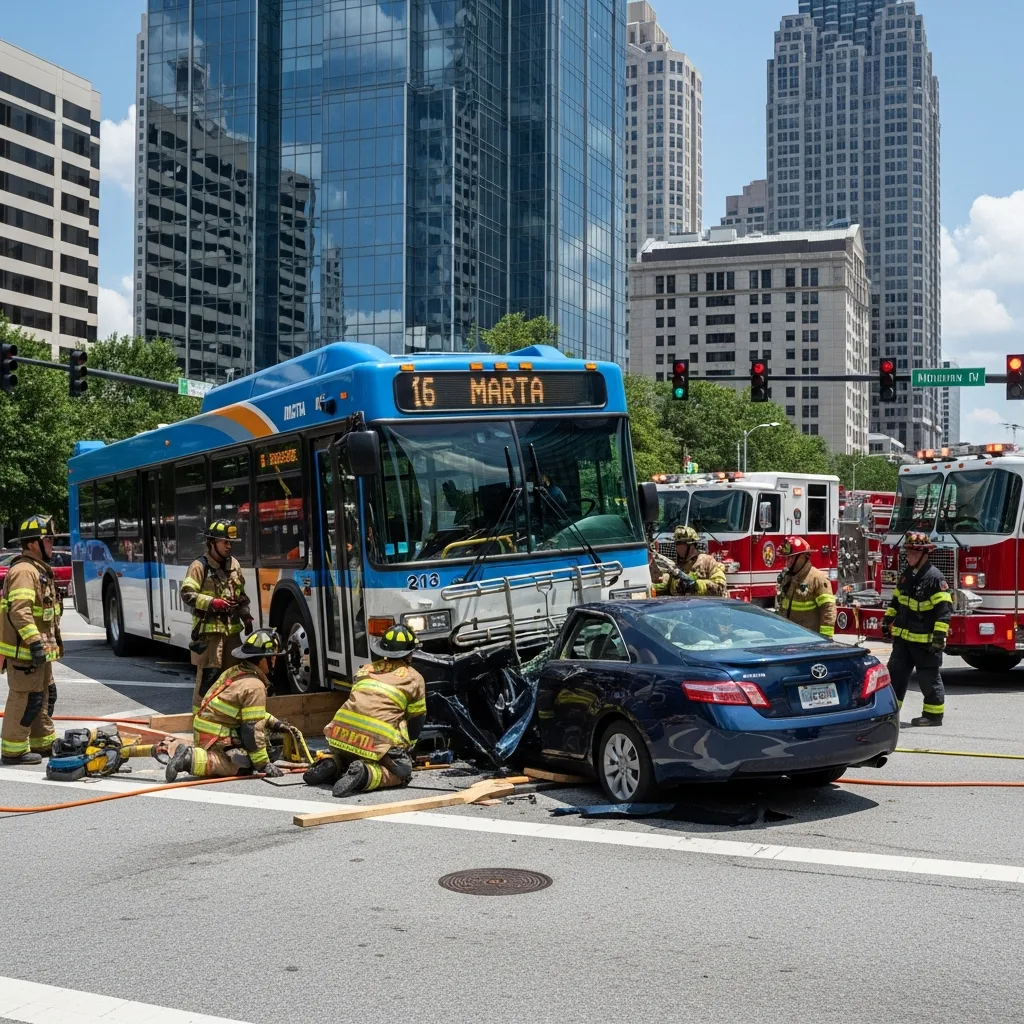
Georgia Bus Accident Laws: Statutes, Fault Rules and Deadlines
Navigating the legal landscape following a bus accident in Georgia requires a comprehensive understanding of specific state statutes, fault rules, and crucial deadlines. These legal intricacies can significantly impact your ability to recover compensation, making it imperative to have an experienced Atlanta bus accident attorney on your side who is intimately familiar with Georgia law.
One of the most critical aspects of any personal injury claim in Georgia is the statute of limitations. For most personal injury cases, including those arising from bus accidents, Georgia law (O.C.G.A. § 9-3-33) dictates a two-year deadline from the date of the injury to file a lawsuit. If you fail to file your claim within this two-year window, you will almost certainly lose your right to pursue compensation, regardless of the merits of your case. However, bus accidents often involve government entities, which introduce unique and much shorter deadlines.
If the bus involved in your accident is operated by a governmental body, such as MARTA, CobbLinc, Gwinnett County Transit, or a local school district, you must adhere to strict "ante litem notice" requirements. This means you must provide official written notice of your intent to sue the government entity within a significantly shorter timeframe – often six months to one year from the date of the accident, depending on the specific entity. For instance, claims against the State of Georgia or its departments require notice within 12 months, while claims against many municipalities may require notice within six months. Missing this critical notice period can be just as detrimental as missing the statute of limitations, completely barring your claim. An Atlanta bus accident attorney will promptly identify if a government entity is involved and ensure all necessary ante litem notices are filed correctly and on time.
Georgia follows a modified comparative fault rule (O.C.G.A. § 51-12-33). This means that if you are found to be partially at fault for the accident, your recoverable damages will be reduced by your percentage of fault. For example, if a jury determines your damages are $100,000 but you were 10% at fault, you would only recover $90,000. Crucially, if you are found to be 50% or more at fault, you are completely barred from recovering any compensation. This "50% bar rule" makes it vital to aggressively defend against any attempts by the at-fault party’s insurance company to shift blame onto you.
Beyond these procedural rules, Georgia law imposes a higher duty of care on common carriers, which include bus companies that transport passengers for a fee. O.C.G.A. § 46-9-132 states that common carriers "shall be bound to extraordinary diligence" to protect their passengers. This means bus companies and their drivers are held to a higher standard than ordinary drivers. They must exercise the utmost care and vigilance to ensure passenger safety, from maintaining their vehicles to ensuring their drivers are properly trained and rested. Violations of this heightened duty of care can be strong evidence of negligence in a bus accident claim.
Regarding insurance, commercial buses typically carry much higher liability insurance policies than private vehicles, given the potential for severe injuries and multiple victims. While the specific minimums vary based on the type of bus and its operations (e.g., interstate vs. intrastate, public vs. private), they are generally in the millions of dollars. However, securing fair compensation from these large policies still requires skilled negotiation and, if necessary, litigation, as insurance companies will always seek to pay out as little as possible. Our Atlanta bus accident attorneys understand these complex statutes, deadlines, and fault rules, providing you with the strategic legal guidance necessary to navigate your claim successfully and protect your rights under Georgia law.
Common Injuries from Bus Accident Accidents in Atlanta
Bus accidents in Atlanta, by their very nature, often lead to injuries that are significantly more severe and complex than those sustained in typical passenger vehicle collisions. The immense size and weight of a bus, combined with the lack of safety features like seatbelts for many passengers, means that victims are subjected to powerful forces that can cause devastating and long-lasting harm. Understanding the common types of injuries and their potential impact is crucial for both immediate medical care and for accurately assessing the full scope of compensation needed.
One of the most prevalent and debilitating injuries in bus accidents is Traumatic Brain Injury (TBI). The sudden deceleration or impact can cause the brain to violently strike the inside of the skull, leading to concussions, contusions, diffuse axonal injury, or even intracranial hemorrhages. Symptoms can range from headaches and dizziness to memory loss, cognitive deficits, personality changes, and permanent neurological impairment. TBIs often require extensive diagnostic testing, long-term specialized medical care, and can severely impact a victim’s ability to work, learn, and maintain relationships. The true cost of a TBI, encompassing medical bills, lost earning capacity, and profound non-economic damages, can be staggering.
Spinal cord injuries are another catastrophic outcome of bus accidents. The violent forces can lead to herniated discs, fractured vertebrae, or direct damage to the spinal cord itself. Such injuries can result in chronic pain, numbness, weakness, and, in the most severe cases, partial or complete paralysis (paraplegia or quadriplegia). Victims may require multiple surgeries, intensive physical therapy, assistive devices, and lifelong medical care. The emotional toll and loss of independence associated with spinal cord injuries are immense, demanding substantial compensation for both medical and non-economic damages.
Fractures are also extremely common, ranging from broken ribs and limbs to more complex compound fractures. The force of impact can cause bones to shatter, often requiring surgical intervention, pins, plates, or rods, followed by extensive rehabilitation. These injuries can lead to prolonged pain, loss of mobility, and in some cases, permanent disfigurement or disability. Similarly, internal injuries such as organ damage, internal bleeding, or ruptured spleens can be life-threatening and may not be immediately apparent, underscoring the importance of prompt medical evaluation after any bus accident.
Even seemingly minor impacts can result in severe soft tissue injuries, including whiplash, muscle strains, ligament tears, and tendon damage. While often dismissed as less severe, these injuries can cause chronic pain, limit mobility, and necessitate long-term physical therapy, chiropractic care, or even injections and surgery. The insidious nature of soft tissue injuries means they can worsen over time, impacting a victim's daily life and ability to perform work or leisure activities.
In some rare but devastating bus accidents, particularly those involving fire or explosions, victims can sustain severe burn injuries. These can range from first-degree to third-degree burns, requiring specialized burn unit care, multiple surgeries, skin grafts, and extensive physical and psychological rehabilitation. The long-term impact includes excruciating pain, permanent scarring, disfigurement, and profound psychological trauma.
Beyond the physical wounds, many bus accident victims experience significant psychological trauma, including Post-Traumatic Stress Disorder (PTSD), anxiety, depression, and phobias related to driving or public transportation. These emotional injuries are just as real and debilitating as physical ones and often require psychological counseling, therapy, and medication. The costs associated with mental health treatment, coupled with the impact on quality of life, must be fully accounted for in any compensation claim.
The long-term impact of these injuries extends far beyond initial medical bills. Victims may face ongoing rehabilitation, lost income due to inability to work, diminished earning capacity, permanent disability, and a profound reduction in their quality of life. Our Atlanta bus accident attorneys work diligently with medical experts and life care planners to thoroughly document the full extent of your injuries, ensuring that all current and future medical needs, as well as the significant non-economic damages, are comprehensively included in your claim for maximum compensation.

Compensation Available for Atlanta Bus Accident Victims
Suffering injuries in a bus accident in Atlanta can turn your life upside down, leaving you with mounting medical bills, lost income, and profound physical and emotional pain. Securing fair compensation is paramount to rebuilding your life and ensuring you receive the care you need. Georgia law allows bus accident victims to pursue various types of damages, broadly categorized as economic, non-economic, and in specific egregious cases, punitive damages. Our experienced Atlanta bus accident attorneys are skilled at meticulously calculating and aggressively pursuing every available avenue of compensation for our clients.
Economic damages, also known as special damages, are quantifiable monetary losses directly resulting from the bus accident. These are relatively straightforward to calculate, as they involve tangible expenses and financial impacts. Key components of economic damages include:
- Medical Expenses: This covers all past and future medical costs, including emergency room visits, ambulance fees, hospital stays, doctor’s appointments, surgeries, prescription medications, diagnostic tests (X-rays, MRIs, CT scans), physical therapy, rehabilitation, occupational therapy, and ongoing long-term care.
- Lost Wages: Compensation for income you have already lost due to your injuries, including salary, hourly wages, commissions, and bonuses.
- Loss of Earning Capacity: If your injuries prevent you from returning to your previous job or significantly reduce your ability to earn income in the future, you can claim compensation for this long-term financial impact. This often requires expert testimony from vocational rehabilitation specialists and economists.
- Property Damage: Costs associated with repairing or replacing your vehicle or any other personal property damaged in the accident.
- Out-of-Pocket Expenses: Other miscellaneous costs such as transportation to medical appointments, home modifications for accessibility, assistive devices (wheelchairs, crutches), and childcare expenses incurred due to your injuries.
Non-economic damages, also known as general damages, are less tangible losses but are equally significant to a victim's recovery and quality of life. These damages aim to compensate for the subjective impacts of the injury. While harder to quantify, they are often a substantial portion of a settlement or award. They include:
- Pain and Suffering: Compensation for the physical pain and discomfort you have endured and will continue to endure due to your injuries.
- Emotional Distress: This covers psychological impacts such as anxiety, depression, fear, anger, grief, and Post-Traumatic Stress Disorder (PTSD) resulting from the traumatic event.
- Loss of Enjoyment of Life: If your injuries prevent you from participating in hobbies, recreational activities, or daily tasks you once enjoyed, you can be compensated for this diminished quality of life.
- Disfigurement and Scarring: Damages for permanent physical changes that impact your appearance and self-esteem.
- Loss of Consortium: In cases of severe injury or wrongful death, a spouse may claim for the loss of companionship, affection, and intimate relations.
In specific, egregious cases, punitive damages may be awarded under Georgia law (O.C.G.A. § 51-12-5.1). Unlike economic and non-economic damages, punitive damages are not intended to compensate the victim but rather to punish the at-fault party for their particularly reprehensible conduct and to deter similar actions in the future. To be awarded punitive damages, a plaintiff must prove by clear and convincing evidence that the defendant’s actions showed willful misconduct, malice, fraud, wantonness, oppression, or an entire want of care which would raise the presumption of conscious indifference to consequences. For example, if a bus company knowingly operated a bus with severe, unaddressed mechanical defects, or if a driver was operating under the influence with a prior history, punitive damages might be considered. Georgia law generally caps punitive damages at $250,000, though there are exceptions for cases involving product liability or driving under the influence.
The potential settlement ranges for bus accident cases in Atlanta vary dramatically based on numerous factors, including the severity of injuries, the clarity of fault, the amount of insurance coverage available, the skill of your attorney, and whether the case settles out of court or goes to trial. Catastrophic injury cases can result in multi-million dollar settlements or verdicts, while less severe injury cases might settle for tens or hundreds of thousands. Our Atlanta bus accident attorneys meticulously evaluate all aspects of your case, consult with medical and financial experts, and aggressively negotiate with insurance companies to ensure you receive the maximum possible compensation for every loss you’re facing. We prepare every case as if it will go to trial, which often encourages favorable settlement offers, ensuring your rights and future are fully protected.
How Our Atlanta Bus Accident Attorney Team Handles Your Case
When you choose AccidentLegalForce after a bus accident in Atlanta, you gain a dedicated legal team committed to navigating the complex legal process on your behalf, allowing you to focus entirely on your recovery. Our systematic approach is designed to maximize your compensation, from the initial consultation through to a favorable settlement or trial verdict. We understand the unique challenges posed by bus accident cases in Georgia and are prepared for every contingency.
The first step in our process is always a free, no-obligation consultation. During this crucial meeting, we listen intently to your story, understand the details of the accident, and assess the extent of your injuries and losses. We will explain your legal rights, clarify the complexities of Georgia bus accident law, and provide an honest evaluation of your case’s potential. This initial consultation allows us to determine the viability of your claim and for you to feel confident in our ability to represent you effectively.
Upon retaining our services, our team immediately launches a comprehensive investigation into your bus accident. This phase is critical for gathering the irrefutable evidence needed to establish fault and prove the extent of your damages. Our investigation typically involves:
- Collecting Official Reports: Obtaining and meticulously reviewing the police report, accident reconstruction reports, and any incident reports filed by the bus company.
- Gathering Witness Statements: Identifying and interviewing eyewitnesses to the accident, securing their accounts to corroborate your version of events.
- Preserving Evidence: Issuing spoliation letters to the bus company, demanding they preserve crucial evidence such as the bus’s "black box" data (which records speed, braking, and other operational information), driver logs, maintenance records, and any onboard surveillance footage. We also gather traffic camera footage and other relevant video evidence.
- Expert Consultation: Engaging accident reconstruction experts to analyze the scene and determine the cause of the collision, and medical experts to assess the full scope and long-term impact of your injuries.
- Documenting Damages: Collecting all your medical records, bills, lost wage statements, and any other financial documentation related to your losses.
Once we have a clear picture of liability and the extent of your damages, we will prepare a detailed and compelling demand letter to the at-fault party’s insurance company (or companies, as there may be multiple involved). This letter outlines the facts of the accident, demonstrates negligence, itemizes all your economic and non-economic damages, and presents a demand for compensation. This is often the first formal step in seeking a settlement outside of court.
Following the demand letter, we enter into negotiation with the insurance adjusters. Our experienced negotiators leverage the strong evidence we’ve collected and our deep understanding of Georgia personal injury law to advocate fiercely for a fair settlement. We anticipate common tactics used by insurance companies to minimize payouts and are prepared to counter their arguments effectively. We keep you informed at every stage of the negotiation process, explaining offers and providing our expert recommendation, but the final decision to accept or reject a settlement always rests with you.
If negotiations fail to yield a satisfactory offer, our firm is fully prepared to proceed with litigation. This involves filing a lawsuit in the appropriate Georgia court, such as the Fulton County Superior Court. The litigation phase includes:
- Discovery: Exchanging information and evidence with the opposing side, which may involve written interrogatories, requests for production of documents, and depositions (sworn testimonies taken outside of court).
- Motions: Filing and responding to various legal motions, addressing procedural issues or seeking court orders.
- Mediation/Arbitration: Often, courts will mandate alternative dispute resolution methods to try and reach a settlement before trial.
- Trial: If a settlement still cannot be reached, we will aggressively represent you in court, presenting your case to a jury and fighting for the maximum compensation you deserve.
The timeline for a bus accident case in Atlanta can vary significantly. Simple cases with clear liability and minor injuries might settle within a few months. More complex cases involving severe injuries, multiple defendants, or government entities, especially if they proceed to litigation, can take anywhere from one to several years to resolve. We are transparent about these timelines and provide realistic expectations, ensuring you understand the journey ahead. Throughout the entire process, our primary goal is to alleviate your burden and secure the justice and financial recovery you need to move forward with your life.
Why Choose AccidentLegalForce in Atlanta
When faced with the aftermath of a bus accident in Atlanta, selecting the right legal representation is the most critical decision you will make. At AccidentLegalForce, we understand the profound impact such an event can have on your life, and we are dedicated to providing unparalleled legal advocacy with a compassionate, client-centered approach. Our firm stands apart for several compelling reasons that directly benefit our clients in their pursuit of justice and maximum compensation.
One of the most significant advantages of choosing AccidentLegalForce is our commitment to a contingency fee basis. This means you pay no upfront legal fees or costs. We only get paid if we successfully secure compensation for you, either through a settlement or a favorable court verdict. This arrangement eliminates the financial barrier to accessing high-quality legal representation, ensuring that everyone, regardless of their current financial situation, can afford to fight for their rights. It also aligns our interests directly with yours: our success is tied to your success, motivating us to achieve the best possible outcome for your case.
Our firm boasts extensive trial experience, a crucial differentiator in personal injury law. While many cases settle out of court, insurance companies are often more willing to offer fair settlements when they know they are up against a law firm that is fully prepared and capable of taking a case to trial. They understand that AccidentLegalForce will not shy away from the courtroom if it means securing the justice our clients deserve. This reputation for trial readiness gives us significant leverage in negotiations, often leading to better settlement offers without the need for litigation. Should your case require a jury trial, you can rest assured that you will have skilled, assertive litigators by your side, fighting tirelessly to present your case compellingly.
Navigating the local legal landscape is paramount, and our team possesses in-depth local court knowledge. We are intimately familiar with the procedures, judges, and legal community within Fulton County Superior Court, State Court, and other relevant jurisdictions in the Atlanta metropolitan area. This local expertise allows us to anticipate challenges, streamline processes, and strategize effectively, giving our clients a distinct advantage. We understand the nuances of how cases are handled in Atlanta’s specific courts, which can significantly impact the efficiency and outcome of your claim. This local insight, combined with our experience, means we can navigate the bureaucratic hurdles and legal intricacies unique to Atlanta with greater precision and effectiveness.
We recognize that bus accidents can happen at any time, and the need for legal guidance doesn’t adhere to a 9-to-5 schedule. That’s why AccidentLegalForce offers 24/7 availability for our clients. We are committed to being accessible when you need us most, providing peace of mind during a stressful and uncertain time. Whether you have an urgent question about your case or need immediate advice after an incident, our team is here to support you. This dedication to client accessibility underscores our commitment to providing exceptional service and support throughout your entire legal journey.
Beyond these tangible advantages, we pride ourselves on our empathetic and professional approach. We understand that you are not just a case file; you are an individual suffering from injuries and trauma. We prioritize clear communication, keeping you informed at every step, and treating you with the respect and compassion you deserve. We handle all the legal complexities, allowing you to focus on your recovery. Choosing AccidentLegalForce means choosing a powerful advocate in Atlanta who will relentlessly pursue your best interests, leveraging deep local knowledge, extensive trial experience, and a client-first approach to secure the compensation and justice you are entitled to.
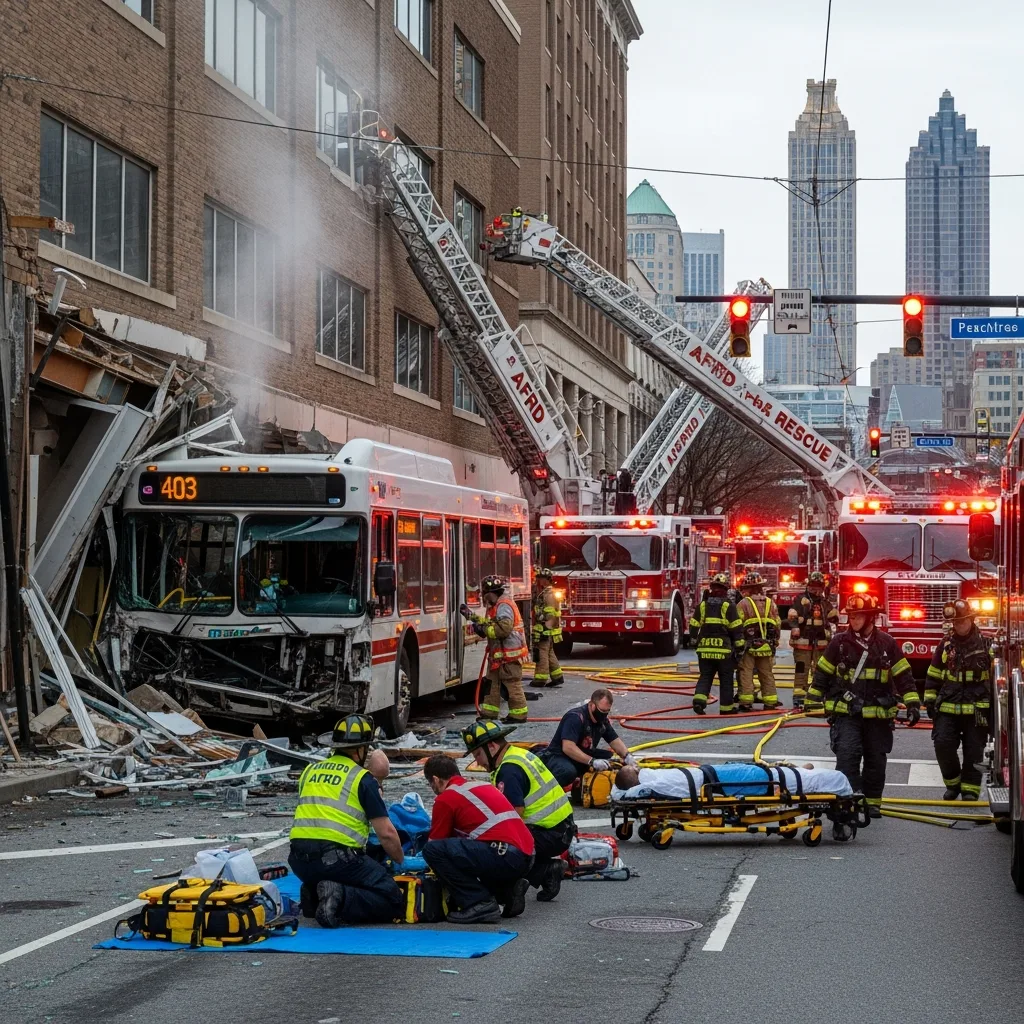
What to Do After a Bus Accident in Atlanta
A bus accident can be a terrifying and disorienting experience, leaving you injured, shaken, and unsure of what steps to take next. Your actions immediately following the accident can significantly impact your health, safety, and the strength of any potential legal claim. Knowing what to do in the chaotic moments after a collision, especially in a busy city like Atlanta, is crucial. Here's a comprehensive guide on the essential steps to take:
1. Prioritize Safety and Call 911:
Your immediate safety and the safety of others should be your top concern. If possible, move yourself and any injured passengers to a safe location away from traffic. Then, immediately call 911. Report the accident, including the location, the number of vehicles involved, and any injuries. Even if you believe your injuries are minor, it’s vital to have emergency medical personnel and law enforcement on the scene. Police officers will create an official accident report, which will be a critical piece of evidence for your claim. Do not leave the scene until emergency responders have released you.
2. Seek Immediate Medical Attention:
Even if you don't feel injured right away, or if your injuries seem minor, seek medical attention immediately. Adrenaline can mask pain, and some serious injuries, like whiplash or internal bleeding, may not manifest symptoms for hours or even days. Go to the nearest emergency room or urgent care facility in Atlanta. A prompt medical evaluation ensures your well-being and creates an official record of your injuries directly linked to the accident. Delays in seeking medical care can be used by insurance companies to argue that your injuries were not caused by the bus accident. Be thorough and honest with medical professionals about all pain and symptoms you are experiencing.
3. Document the Scene Extensively (If Safe to Do So):
If your physical condition allows, and it is safe, document the accident scene as thoroughly as possible. Use your smartphone to:
- Take Photos and Videos: Capture images of the bus, all other vehicles involved, your injuries, the accident location, road conditions (skid marks, debris, traffic signals), weather conditions, and any relevant signage. Get different angles and distances.
- Gather Witness Information: Ask any eyewitnesses for their full names, phone numbers, and email addresses. Their unbiased testimony can be invaluable.
- Identify the Bus: Note the bus company name (e.g., MARTA, CobbLinc, private charter), the bus number, and any other identifying information.
- Collect Driver Information: Get the bus driver's name, contact information, and insurance details if possible, though police will typically handle this.
4. Exchange Information (But Be Cautious):
Exchange contact and insurance information with the bus driver and any other involved parties. However, do not discuss fault, apologize, or make any statements that could be interpreted as admitting fault. Simply exchange factual information. Remember, anything you say at the scene can be used against you later.
5. Preserve Evidence:
Beyond documenting the scene, actively preserve any evidence related to your accident.
- Keep Your Clothing: Do not wash any clothes you were wearing at the time of the accident, especially if they are torn or stained.
- Do Not Repair Your Vehicle: If your vehicle was damaged, do not have it repaired until it has been inspected by an adjuster or until your attorney advises you.
- Maintain a Detailed Journal: Start a journal to record your symptoms, pain levels, medical appointments, medications, and how your injuries are affecting your daily life.
- Keep All Documentation: Retain all medical bills, receipts for accident-related expenses, and communications from insurance companies.
6. Do Not Give Recorded Statements to Insurance Adjusters:
You will likely be contacted by insurance adjusters from the bus company or other involved parties. They may seem helpful, but their primary goal is to minimize their company's payout. Do not give a recorded statement or sign any documents without first consulting with an experienced Atlanta bus accident attorney. You are not obligated to speak with them, and anything you say can be twisted and used against you.
7. Contact an Experienced Atlanta Bus Accident Attorney as Soon as Possible:
This is perhaps the most crucial step. Bus accident cases in Georgia are complex, especially when government entities like MARTA are involved, due to strict "ante litem notice" requirements that have very short deadlines (sometimes as little as six months). An attorney can immediately:
- Protect your rights and ensure you don't inadvertently jeopardize your claim.
- Handle all communications with insurance companies.
- Launch an independent investigation to gather crucial evidence before it's lost or destroyed.
- Guide you through the complex legal process, ensuring all deadlines are met.
- Advocate tirelessly to secure the maximum compensation you deserve.
By following these steps, you can protect your health, your legal rights, and lay the strongest possible foundation for a successful bus accident claim in Atlanta.
Compensation You May Be Entitled To
Bus Accident Statistics in Georgia
Understanding the scope of bus accident accidents in Georgia helps victims know they are not alone — and why aggressive legal representation matters.
Recent Bus Accident Settlements in Atlanta
These are representative results. Past results don't guarantee future outcomes.
Why Atlanta Victims Choose AccidentLegalForce
When you are searching for a bus accident attorney in Atlanta, you need more than just a lawyer — you need a fighter. Here is what sets us apart from other Georgia personal injury firms:
Zero upfront costs. We only get paid when you do. This means we are 100% motivated to maximize your settlement.
We start building your case the moment you call. Evidence disappears fast — we preserve it before it is gone.
Our attorneys know Georgia courts, judges, and insurance company tactics. We use this insider knowledge to win.
Your attorney is available 24/7. No waiting days for callbacks. Atlanta clients get direct access to their legal team.
⚠️ Insurance Company Tactics to Watch Out For
Insurance adjusters in Georgia are trained to minimize your payout. After a bus accident in Atlanta, watch out for these common tactics:
- Recorded statements — They will ask for a recorded statement early to use your words against you
- Quick lowball offers — An early settlement offer is almost always far below what your case is worth
- Delaying tactics — Stalling until Georgia's statute of limitations runs out
- Disputing medical treatment — Claiming your injuries were pre-existing or unnecessary
- Surveillance — Hiring investigators to find reasons to deny your claim
Do not face this alone. Call AccidentLegalForce immediately after your bus accident in Atlanta.
Frequently Asked Questions
How much does a bus accident attorney cost in Atlanta?
At AccidentLegalForce, we work on a contingency fee basis — you pay nothing unless we win your case. This means zero upfront costs for Atlanta accident victims.
How long do I have to file a bus accident claim in Georgia?
Georgia has a statute of limitations for personal injury claims. It's critical to contact a bus accident attorney in Atlanta as soon as possible to preserve evidence and meet all legal deadlines.
What compensation can I recover after a bus accident in Atlanta?
Victims of bus accident accidents in Atlanta may be entitled to medical expenses, lost wages, pain and suffering, property damage, and more. Our attorneys maximize every dollar of your claim.