Why You Need a Burn Injury Lawyer in Savannah
Savannah, Georgia, is a city of dynamic contrasts and rapid growth, factors that inherently contribute to a higher potential for accidents, including those resulting in severe burn injuries. As one of the South's most iconic cities, Savannah boasts a thriving port, a booming tourism industry, and a steadily increasing population of over 145,000 residents within the city limits, and nearly 400,000 in the wider metropolitan area. This blend of industrial activity, constant influx of visitors, and a growing local populace means more vehicles on the roads, more people in public spaces, and more complex operational environments, each presenting unique risks.
Consider the sheer volume of traffic that traverses Savannah daily. Interstate 16 connects the city to Macon and points west, while Interstate 95 serves as a major north-south corridor along the East Coast. These interstates, coupled with major state routes like US-17, US-80, and busy local arteries such as Abercorn Street, Bay Street, and Martin Luther King Jr. Boulevard, see hundreds of thousands of vehicles daily. The high traffic density, especially during peak tourist seasons or port activity surges, inevitably leads to an increased risk of motor vehicle accidents. These collisions, whether involving passenger cars, large commercial trucks, or motorcycles, can result in vehicle fires, explosions, or contact with hot surfaces, all of which can inflict devastating burn injuries. The energy released in such impacts can be immense, often leading to ruptured fuel lines, electrical fires, or the deployment of airbags with hot gases, directly contributing to burn trauma.
Beyond vehicular incidents, Savannah's economic drivers introduce other potential hazards. The Port of Savannah is one of the busiest and fastest-growing container ports in North America. Its extensive operations involve heavy machinery, hazardous materials, and complex logistical processes, creating a fertile ground for workplace accidents. Industrial fires, chemical spills, electrical accidents, and steam burns are all too common risks for those working in or around such facilities. These incidents are often preventable, stemming from employer negligence, inadequate safety protocols, or defective equipment. Similarly, the construction industry, continuously expanding to accommodate Savannah's growth, presents its own set of burn injury risks, including electrical burns, chemical burns, and flash burns from welding or other high-heat operations.
Furthermore, Savannah's vibrant hospitality sector, with its historic hotels, countless restaurants, and bustling entertainment venues, also holds potential for premises liability claims involving burn injuries. Faulty wiring leading to building fires, scalding hot water in accommodations, kitchen accidents, or even defective products used on a property can all lead to severe burns. Property owners and business operators have a legal responsibility to maintain safe premises for their patrons and employees. When they fail in this duty, and someone is injured as a burn victim, they can be held accountable.
The complex nature of burn injuries—their severity, the extensive medical treatment required, the long-term physical and psychological impact, and the sheer financial strain—demands the expertise of a specialized legal professional. A general personal injury attorney might handle a wide range of cases, but a lawyer focused on burn injuries brings a crucial depth of understanding. They appreciate the nuances of burn classification (first, second, third, fourth degree), the potential for infection, the need for skin grafts and reconstructive surgeries, and the profound emotional trauma that often accompanies these injuries. This specialized knowledge is vital not only for accurately valuing a claim but also for effectively negotiating with insurance companies who often seek to minimize payouts.
In Savannah, dealing with insurance adjusters who are primarily motivated to protect their company's bottom line can be particularly challenging. They may attempt to shift blame, downplay the severity of your injuries, or pressure you into a quick, inadequate settlement. Having a dedicated burn injury lawyer means you have a powerful advocate who understands these tactics and is prepared to counter them with compelling evidence and legal arguments. Your lawyer will meticulously investigate the accident, identify all liable parties, gather critical evidence, consult with medical experts, and build a robust case designed to secure the maximum compensation you deserve. This allows you to focus on your recovery, knowing that your legal battle is in experienced and capable hands. Given the unique blend of risks in Savannah, securing specialized legal representation is not just advisable; it is often essential for achieving justice and securing your future.
Most Dangerous Roads and Intersections in Savannah, GA
Savannah's intricate network of roads, from bustling interstates to historic downtown streets, unfortunately, sees a significant number of accidents each year, some of which lead to severe injuries, including catastrophic burns. The city's status as a major port, a tourist destination, and a growing metropolitan area means its roadways are constantly under pressure from a diverse mix of local commuters, long-haul truckers, and visitors unfamiliar with the local layout. Understanding where these dangers lurk is crucial for both drivers and pedestrians, and it highlights why accidents are an unfortunate reality, sometimes leading to severe burn trauma.
Major Interstates and Highways:
- Interstate 95 (I-95): As a primary north-south artery along the East Coast, I-95 experiences extremely high traffic volumes, particularly with commercial trucks. Accidents on I-95 in and around Savannah are often high-speed and involve multiple vehicles, increasing the likelihood of vehicle fires, explosions, or collisions with hazardous materials, all of which can cause severe burns. The stretch leading to and from the Georgia-South Carolina border, as well as the interchanges with I-16 and US-17, are particularly prone to congestion and serious incidents.
- Interstate 16 (I-16): This interstate connects Savannah to central Georgia. It's a critical route for freight coming from the Port of Savannah. Truck accidents are a common occurrence, especially near the port entrance and the intersection with I-95. These collisions, often involving large commercial vehicles, carry a significant risk of fuel tank ruptures and subsequent fires, leading to severe thermal injuries for occupants of all vehicles involved.
- US-17 (Ogeechee Road/Coastal Highway): Running through the heart of Savannah and connecting it to surrounding areas, US-17 is a heavily traveled multi-lane highway. Its mix of urban and semi-urban stretches, combined with numerous commercial access points, contributes to frequent rear-end collisions, side-impact crashes, and pedestrian accidents. Fuel spills and vehicle fires are a constant threat in high-impact scenarios on this road.
- US-80 (Victory Drive/Isle of Hope Parkway): US-80 traverses residential and commercial areas, leading out to Tybee Island. It's known for its heavy traffic, especially during tourist seasons, and numerous intersections. Distracted driving, speeding, and aggressive maneuvers are common, leading to T-bone collisions and multi-car pileups, which can quickly escalate into fire-related incidents.
Busy Arterial Roads and Intersections:
- Abercorn Street (State Route 204): This is one of Savannah's longest and most heavily trafficked commercial corridors. With countless businesses, shopping centers, and residential areas lining its path, Abercorn Street is notorious for accidents. Intersections along Abercorn, such as those at White Bluff Road, Montgomery Cross Road, and DeRenne Avenue, are consistently cited as high-accident zones due to complex traffic patterns, left-turn challenges, and high volumes of vehicles entering and exiting various establishments. The sheer density of traffic increases the chances of chain-reaction collisions and the potential for vehicle fires.
- Bay Street/River Street: These historic downtown streets, while charming, are bustling with pedestrians, tourists, and delivery vehicles. The narrow roads, limited visibility, and constant activity create a high risk for pedestrian-vehicle accidents. While less prone to high-speed burns, accidents involving tour vehicles or commercial trucks in this area could still lead to severe injuries from crushing forces or entanglement with hot engine components.
- Waters Avenue: Another major north-south artery, Waters Avenue, cuts through dense residential and commercial districts. It's known for higher speeds than its urban character might suggest, coupled with numerous cross-streets and commercial entrances. This combination leads to frequent lane change accidents, intersection collisions, and pedestrian incidents.
- Martin Luther King Jr. Boulevard: Running through downtown and connecting to I-16, MLK Jr. Blvd. sees a mix of commuter and truck traffic. Its intersections with Liberty Street, Oglethorpe Avenue, and Bay Street are particularly busy and can be hazardous due to the convergence of different traffic flows and historical infrastructure.
- DeRenne Avenue (State Route 21): A major east-west connector, DeRenne Avenue often sees heavy traffic, particularly where it intersects with Abercorn Street and US-17. The speed limits, combined with numerous traffic signals and a mix of commercial and residential areas, make it a hotspot for various types of collisions, including those with potential for vehicle fires.
The types of accidents on these dangerous roads vary, but many carry the inherent risk of burn injuries. High-speed impacts can rupture fuel tanks, leading to immediate fires or explosions. Electrical system failures post-collision can also ignite vehicle interiors. Commercial truck accidents, common on I-95, I-16, and US-17, are particularly dangerous due to the large quantities of fuel and potentially hazardous cargo they carry. Even seemingly minor collisions can expose occupants to hot engine parts or superheated steam from ruptured radiators. For pedestrians or motorcyclists, direct contact with a hot exhaust pipe or engine block during an accident can cause severe contact burns. These examples underscore the critical need for vigilance on Savannah's roads and highlight the severe consequences that can arise when negligence leads to a crash, leaving victims with debilitating burn injuries.

Georgia Burn Injury Laws: Statutes, Fault Rules and Deadlines
Navigating the legal aftermath of a burn injury in Savannah requires a thorough understanding of Georgia's specific laws governing personal injury claims. These laws dictate everything from the timeframe you have to file a lawsuit to how fault is determined and the types of compensation you can seek. Missing a critical deadline or misunderstanding how fault is apportioned can severely impact your ability to recover damages, making the guidance of an experienced burn injury lawyer absolutely essential.
Statute of Limitations in Georgia (O.C.G.A. § 9-3-33):
One of the most crucial aspects of Georgia law for burn injury victims is the statute of limitations. This legal deadline dictates the maximum period of time you have to file a lawsuit after suffering an injury. In Georgia, for most personal injury claims, including those arising from burn accidents, the statute of limitations is two (2) years from the date of the injury. This means you generally have two years from the day your burn injury occurred to initiate a lawsuit in civil court.
While two years might seem like a long time, it passes quickly, especially when you are focused on medical treatment and recovery from a severe burn. Furthermore, there are specific circumstances that can alter this deadline:
- Minors: If the burn victim is a minor (under 18), the two-year clock typically begins when they turn 18.
- Discovery Rule: In rare cases where the injury or its cause was not immediately apparent, the clock may start from the date the injury was discovered or reasonably should have been discovered. This is less common for acute burn injuries, but could apply if a burn complication or a specific source of a burn injury (e.g., toxic chemical exposure) was not immediately known.
- Governmental Entities: If your claim involves a government entity (e.g., a city vehicle causing an accident), there are often much shorter notice requirements, sometimes as little as 12 months, before the standard statute of limitations applies.
Failing to file a lawsuit within the two-year window almost invariably results in the permanent loss of your right to pursue compensation, regardless of the severity of your injuries or the clear liability of the at-fault party.
Georgia's Modified Comparative Fault Rule (O.C.G.A. § 51-12-33):
Georgia follows a modified comparative fault rule, often referred to as the "50% bar rule." This legal principle addresses situations where both parties involved in an accident may share some degree of responsibility for the incident. Under O.C.G.A. § 51-12-33, if you are found to be partially at fault for the accident that caused your burn injuries, your recoverable damages will be reduced by your percentage of fault.
However, there is a critical threshold: if your percentage of fault is determined to be 50% or greater, you are barred from recovering any damages at all.
For example:
- If a jury determines your total damages are $1,000,000, but you were 10% at fault for the accident, your compensation would be reduced by 10% ($100,000), meaning you would receive $900,000.
- If, however, you were found to be 51% at fault, you would receive nothing.
Insurance companies frequently attempt to assign a higher percentage of fault to the burn victim to reduce or eliminate their liability. An experienced burn injury lawyer is crucial in gathering evidence, reconstructing the accident, and presenting a compelling argument to minimize your attributed fault and protect your right to compensation.
Specific Statutes and Legal Principles Relevant to Burn Injuries:
Beyond the general personal injury laws, specific legal principles often come into play in burn injury cases:
- Premises Liability (O.C.G.A. § 51-3-1): If your burn injury occurred on someone else's property (e.g., a restaurant fire, a defective product in a store, scalding water in an apartment), Georgia's premises liability laws govern. Property owners have a duty to keep their premises safe for invitees. The scope of this duty depends on your status (invitee, licensee, trespasser) on the property.
- Product Liability (O.C.G.A. § 51-1-11): If a defective product (e.g., a faulty appliance, a dangerous chemical, an exploding e-cigarette) caused your burn injury, you might have a product liability claim against the manufacturer, distributor, or retailer. Georgia law allows claims based on manufacturing defects, design defects, or failure to warn.
- Workplace Accidents: For burns sustained at work, Georgia's Workers' Compensation Act (O.C.G.A. § 34-9-1 et seq.) is typically the primary avenue for recovery, covering medical expenses and lost wages regardless of fault. However, if a third party (not your employer or a co-worker) was also at fault, you might have a separate personal injury claim in addition to workers' comp benefits.
- Negligence (O.C.G.A. § 51-1-2): Most burn injury claims are rooted in the legal concept of negligence, which requires proving that the at-fault party owed you a duty of care, breached that duty, and this breach directly caused your burn injuries, resulting in damages.
Georgia Auto Insurance Minimums:
For burn injuries sustained in car accidents, understanding Georgia's minimum auto insurance requirements is important. All drivers in Georgia are required to carry at least:
- $25,000 for bodily injury liability per person
- $50,000 for bodily injury liability per accident
- $25,000 for property damage liability per accident
While these are the minimums, severe burn injuries can quickly exceed these limits. An experienced attorney will investigate all potential sources of recovery, including uninsured/underinsured motorist (UM/UIM) coverage, umbrella policies, and other assets of the at-fault party, to ensure you receive comprehensive compensation.
Navigating these complex legal statutes and rules is a daunting task, especially when recovering from a severe burn injury. A knowledgeable Savannah burn injury lawyer will meticulously apply these laws to your unique situation, ensuring all deadlines are met, fault is accurately assessed, and every avenue for compensation is explored.
Common Injuries from Burn Injury Accidents in Savannah
Burn injuries are among the most excruciating and life-altering types of trauma a person can endure. They extend far beyond the immediate damage to skin, often impacting multiple body systems, leading to prolonged recovery periods, and leaving lasting physical and psychological scars. In Savannah, where various types of accidents can lead to such devastation, understanding the full spectrum of injuries and their long-term implications is crucial for victims seeking comprehensive compensation.
The immediate and obvious injury in a burn accident is, of course, the burn itself. Burns are classified by degree, indicating the depth of tissue damage:
- First-Degree Burns: Affect only the outermost layer of skin (epidermis), causing redness, pain, and minor swelling. While painful, they typically heal within a week without scarring.
- Second-Degree Burns (Partial Thickness): Damage the epidermis and the layer beneath (dermis). These burns cause intense pain, blistering, redness, and swelling. They can take weeks to months to heal and may result in scarring and pigment changes.
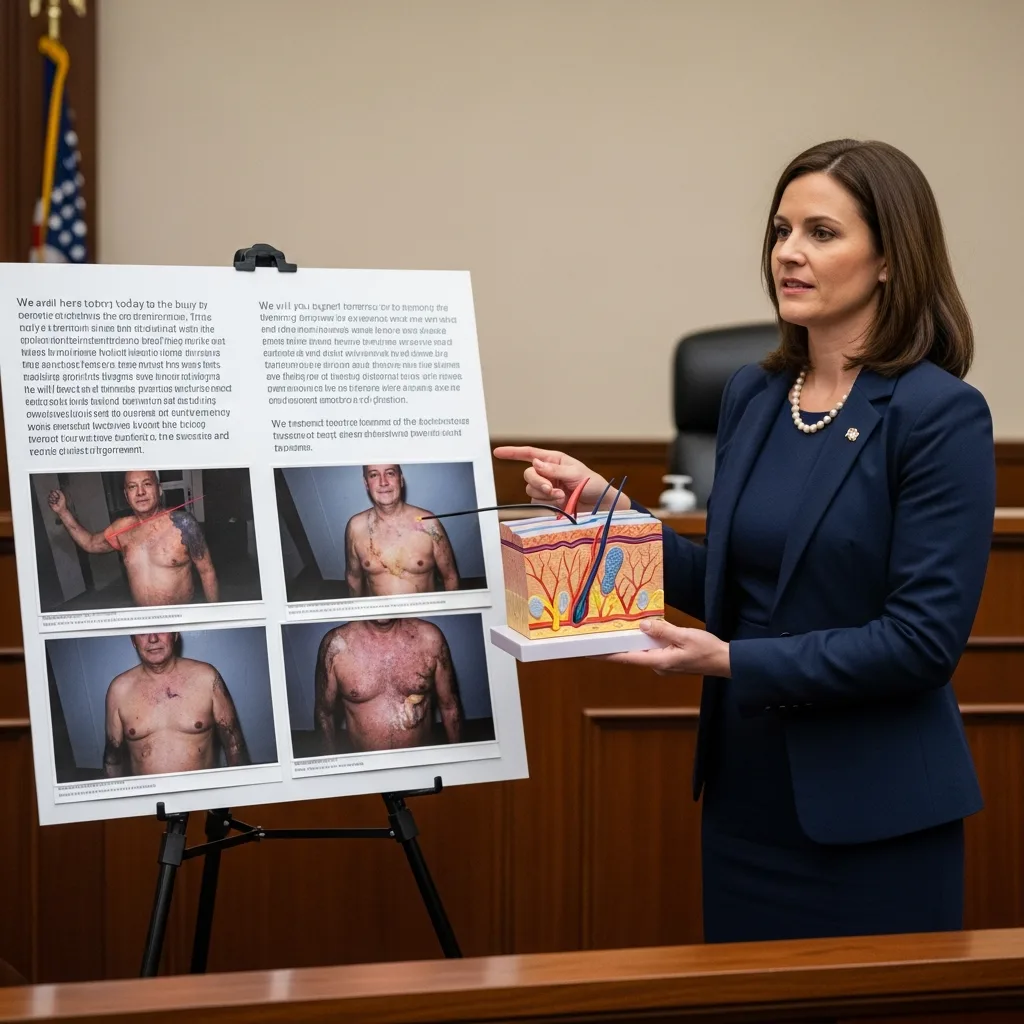
- Third-Degree Burns (Full Thickness): Destroy both the epidermis and dermis, extending into the subcutaneous tissue. The skin may appear white, leathery, or charred, and there may be little to no pain due to nerve damage. These burns require immediate medical intervention, often including skin grafts, and leave significant scarring.
- Fourth-Degree Burns: Extend through all layers of skin into underlying fat, muscle, and even bone. These are the most severe and life-threatening burns, often requiring amputation, extensive reconstructive surgeries, and can be fatal.
However, burn injury accidents rarely result in *only* burns. The forces involved in collisions, explosions, or falls that cause burns often lead to a constellation of other severe injuries. These can complicate treatment, prolong recovery, and intensify the overall impact on the victim's life:
- Traumatic Brain Injuries (TBIs): Common in car accidents, falls, or explosions, TBIs can range from concussions to severe brain damage. Symptoms can include headaches, dizziness, memory loss, cognitive deficits, personality changes, and even coma. A TBI can profoundly affect a burn victim's ability to participate in their own recovery, manage daily tasks, and maintain employment.
- Spinal Cord Injuries (SCIs): Forces from an accident can damage the spinal cord, leading to partial or complete paralysis below the injury site. SCIs are catastrophic, often resulting in permanent disability, requiring lifelong medical care, assistive devices, and extensive home modifications. The combination of a severe burn and an SCI is particularly devastating.
- Fractures (Broken Bones): High-impact collisions or falls frequently cause bone fractures, which can be simple or compound. Depending on the location and severity, fractures can require surgery, casts, prolonged rehabilitation, and may result in permanent pain or loss of mobility. Healing from multiple fractures while simultaneously managing burn wounds presents significant challenges.
- Soft Tissue Injuries: These include sprains, strains, tears to muscles, ligaments, and tendons, and severe bruising. While often overlooked in the face of more dramatic injuries, soft tissue damage can cause chronic pain, limit range of motion, and significantly impede a burn victim's physical therapy and overall recovery.
- Internal Organ Damage: The immense forces of an accident, particularly explosions or high-speed crashes, can cause damage to internal organs such as the lungs, heart, liver, or kidneys. This can lead to internal bleeding, organ failure, and life-threatening complications requiring emergency surgery.
- Smoke Inhalation Injuries: In fires, smoke inhalation is often as dangerous, if not more so, than the burns themselves. Inhaling hot gases, soot, and toxic chemicals can damage the respiratory tract, leading to lung injury, acute respiratory distress syndrome (ARDS), carbon monoxide poisoning, and long-term pulmonary issues. These injuries often require intubation and prolonged hospitalization.
- Post-Traumatic Stress Disorder (PTSD) and Psychological Trauma: The experience of a burn injury is deeply traumatic. Victims often suffer from PTSD, anxiety, depression, body image issues, and intense fear. The sight of their own injuries, the pain of treatment, and the uncertainty of their future can lead to severe psychological distress requiring extensive therapy.
- Infection: Burn wounds are highly susceptible to infection, which can spread rapidly, delay healing, and even become life-threatening if not aggressively treated.
- Scarring and Disfigurement: Beyond the initial pain, severe burns often result in permanent scarring, contractures (tightening of the skin that restricts movement), and disfigurement. These physical changes can lead to chronic pain, itching, limited mobility, and profound psychological distress, impacting social interactions, self-esteem, and quality of life.
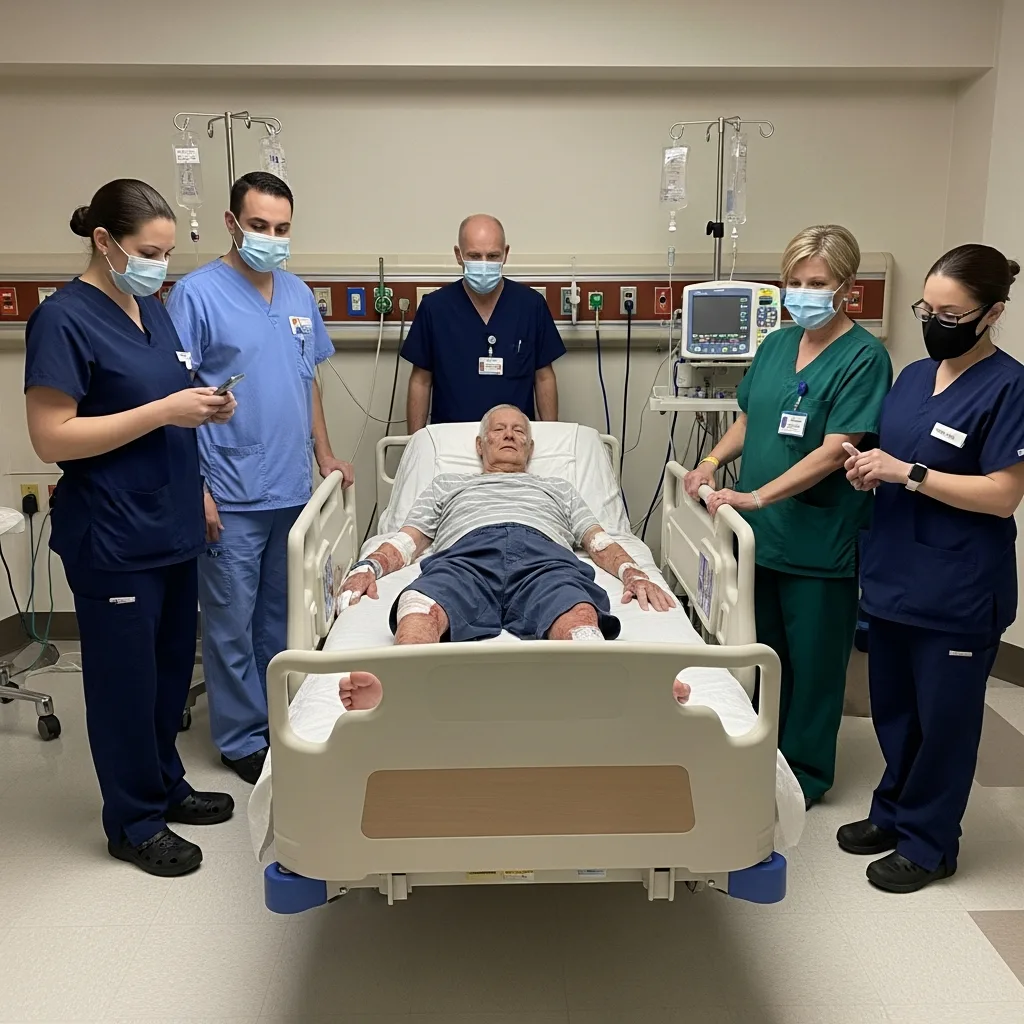
The treatment costs for severe burn injuries are astronomical. They include emergency care, multiple surgeries (e.g., debridement, skin grafts, reconstructive surgery), long-term hospitalization in specialized burn units, extensive physical and occupational therapy, pain management, psychological counseling, medications, and potentially assistive devices or home modifications. These costs can quickly run into hundreds of thousands or even millions of dollars over a lifetime.
The long-term impact of these injuries is profound. Victims may face permanent disability, chronic pain, inability to return to their previous employment, loss of enjoyment of life, and a significant reduction in their overall quality of life. The journey to recovery is arduous, demanding immense resilience from the victim and unwavering support from their family. Understanding the full scope of these injuries is paramount for a burn injury lawyer to ensure that all current and future medical needs, lost wages, and pain and suffering are adequately accounted for in a claim for compensation.
Compensation Available for Savannah Burn Injury Victims
When you or a loved one suffers a burn injury in Savannah due to another party's negligence, the financial and emotional toll can be overwhelming. Fortunately, Georgia law provides avenues for burn injury victims to seek comprehensive compensation for their losses. This compensation is broadly categorized into economic damages, non-economic damages, and in certain egregious cases, punitive damages. Understanding what you are eligible to recover is a critical step in rebuilding your life after such a traumatic event.
1. Economic Damages (Special Damages):
These are quantifiable financial losses directly resulting from your burn injury. They are typically easier to calculate as they come with receipts, bills, and verifiable records. Economic damages aim to restore you to the financial position you would have been in had the accident not occurred.
- Medical Expenses: This is often the largest component of economic damages in burn injury cases due to the severity and complexity of treatment. It includes:
- Emergency medical care: Ambulance transport, ER visits, immediate life-saving treatments.
- Hospitalization: Stays in specialized burn units, intensive care.
- Surgeries: Debridement, skin grafts, reconstructive surgeries, amputations.
- Doctor's visits and consultations: With burn specialists, plastic surgeons, infectious disease specialists, etc.
- Physical and Occupational Therapy: Long-term rehabilitation to regain mobility, strength, and function.
- Medications: Painkillers, antibiotics, scar treatments.
- Medical equipment: Wheelchairs, crutches, specialized burn garments.
- Future Medical Care: Estimates for ongoing treatments, future surgeries, lifelong therapy, and management of complications. This is a critical component, especially for severe burns that require decades of care.
- Lost Wages and Earning Capacity:
- Past Lost Wages: Income you have already lost due to time off work for treatment and recovery.
- Loss of Future Earning Capacity: If your burn injuries prevent you from returning to your previous job or working at the same capacity, you can seek compensation for the income you will lose over your lifetime. This often requires expert testimony from vocational rehabilitation specialists and economists.
- Property Damage: If your personal property, such as your vehicle, clothing, or other belongings, was damaged or destroyed in the accident that caused your burns, you can seek reimbursement for repair or replacement costs.
- Out-of-Pocket Expenses: Any other verifiable costs incurred due to the injury, such as transportation to medical appointments, childcare, home modifications for accessibility, or assistive devices not covered by insurance.
2. Non-Economic Damages (General Damages):
These damages are subjective and more challenging to quantify, as they compensate for non-monetary losses related to the pain, suffering, and emotional distress caused by the burn injury. While difficult to put a precise dollar figure on, they represent a significant portion of recovery for burn victims.
- Pain and Suffering: This includes the intense physical pain of the burn itself, the agony of debridement, skin grafting, and rehabilitation, as well as chronic pain that may persist for years or a lifetime.
- Emotional Distress and Mental Anguish: The psychological trauma of a burn injury is profound. This can include anxiety, depression, fear, nightmares, flashbacks, and Post-Traumatic Stress Disorder (PTSD). The emotional impact of disfigurement and the struggle to accept a new body image are also major components.
- Loss of Enjoyment of Life: If your burn injuries prevent you from participating in hobbies, recreational activities, or social events you once enjoyed, you can seek compensation for this diminished quality of life. This includes inability to perform daily tasks, engage with family, or pursue personal passions.
- Scarring and Disfigurement: Permanent scars, contractures, and other forms of disfigurement from severe burns can lead to immense emotional pain, social isolation, and self-consciousness. Compensation for this is a significant part of burn injury claims.
- Loss of Consortium: If the burn injury impacts the relationship with your spouse, they may be able to seek damages for the loss of companionship, affection, and intimate relations.
3. Punitive Damages (O.C.G.A. § 55-12-5.1):
In Georgia, punitive damages are not intended to compensate the victim for their losses, but rather to punish the at-fault party for particularly egregious conduct and to deter similar actions in the future. They are awarded only in cases where there is clear and convincing evidence that the defendant's actions showed:
- Willful misconduct
- Malice
- Fraud
- Wantonness
- Oppression
- That entire want of care which would raise the presumption of conscious indifference to consequences.
In most personal injury cases in Georgia, punitive damages are capped at $250,000. However, there are exceptions to this cap:
- If the defendant acted with specific intent to cause harm.
- If the defendant was under the influence of alcohol or drugs and this was a proximate cause of the injury.
For a burn injury, if the accident was caused by a drunk driver or by a company's willful disregard for safety protocols, punitive damages might be pursued.
Settlement Ranges and Valuation:
Determining the appropriate settlement range for a burn injury claim is highly complex and depends on numerous factors, including:
- Severity of the burns: Degree, percentage of body surface area affected, location of burns.
- Extent of other injuries: Presence of TBI, SCI, fractures, etc.
- Medical prognosis: The need for future medical care, likelihood of full recovery, permanence of disability.
- Impact on daily life: Ability to work, perform self-care, engage in hobbies.
- Age of the victim: Younger victims typically have higher future lost earning capacity and longer periods of pain and suffering.
- Liability: Clarity of fault and strength of evidence.
- Insurance policy limits: The amount of coverage available from the at-fault party.
- Jurisdiction: Local court tendencies in Savannah can sometimes influence outcomes.
An experienced Savannah burn injury lawyer will meticulously gather all evidence, consult with medical and financial experts, and build a compelling case to ensure all your damages—both economic and non-economic, present and future—are fully accounted for when seeking compensation. Their expertise is invaluable in accurately valuing your claim and fighting for the maximum recovery you deserve.
How Our Savannah Burn Injury Lawyer Team Handles Your Case
Facing the aftermath of a burn injury can feel like an insurmountable challenge. The physical pain, the emotional trauma, and the daunting financial burden can leave you feeling lost and overwhelmed. At AccidentLegalForce.com, our Savannah burn injury lawyer team understands these profound difficulties and is dedicated to guiding you through every step of the legal process with compassion, expertise, and relentless advocacy. Our structured approach ensures that your case is handled with the utmost care and professionalism, maximizing your chances of a successful outcome.
1. Free Initial Consultation and Case Evaluation:
The journey begins with a free, no-obligation consultation. This crucial first meeting allows us to listen to your story, understand the circumstances of your burn injury, and assess the initial details of your case. We will ask about the accident, your injuries, the medical treatment you've received, and how the incident has impacted your life. This is also an opportunity for you to ask us questions about our firm, our experience, and the legal process. We will provide an honest assessment of your claim's viability, explain your legal options, and outline how we can help. There is no cost to you for this initial assessment, and it provides a clear path forward during a confusing time.
2. Thorough Investigation and Evidence Gathering:
Once you choose us to represent you, our team immediately launches a comprehensive investigation into your accident. This is the bedrock of a strong burn injury claim. Our steps include:
- Accident Reconstruction: If necessary, we engage accident reconstruction specialists to analyze the scene, vehicle damage, and other physical evidence to determine how the accident occurred and who was at fault.
- Witness Interviews: We track down and interview any witnesses to the incident, gathering their statements and perspectives.
- Police Reports and Official Records: We obtain and meticulously review all relevant official reports, including police reports, fire department reports, and OSHA reports (for workplace incidents).
- Medical Records and Expert Consultation: We gather all your medical records, including emergency room reports, hospital charts, surgical notes, therapy records, and billing statements. We often consult with leading burn specialists, plastic surgeons, pain management doctors, and other medical experts to fully understand the extent of your injuries, your prognosis, and your future medical needs.
- Financial Documentation: We collect proof of lost wages, employment records, and any other financial documentation necessary to calculate your economic damages.
- Photography and Video Evidence: We secure any available photos or videos of the accident scene, your injuries, and the vehicles or premises involved.
- Expert Witnesses: Depending on the complexity of your case, we may retain expert witnesses such as economists (to calculate lost earning capacity), vocational rehabilitation specialists, and life care planners (to project future medical and personal care costs).
3. Establishing Liability and Damages:
With robust evidence in hand, we meticulously build a case that clearly establishes the at-fault party's negligence and quantifies the full scope of your damages. We identify all potentially liable parties, which could include other drivers, trucking companies, property owners, product manufacturers, or employers. Our goal is to paint a complete picture of how the defendant's actions (or inactions) directly caused your burn injuries and the extensive harm you have suffered.
4. Crafting and Submitting a Demand Letter:
Once you have reached maximum medical improvement (MMI) or your medical future is clearly defined, we will prepare a comprehensive demand letter. This detailed document outlines the facts of the accident, presents the evidence of liability, thoroughly details your injuries, medical treatment, and prognosis, and itemizes all economic and non-economic damages. The demand letter formally requests a specific amount of compensation from the at-fault party's insurance company or legal representation.
5. Negotiation with Insurance Companies:
Following the demand letter, negotiations typically begin. Insurance adjusters are trained to minimize payouts, and they will often make lowball offers initially. Our experienced negotiators are prepared for these tactics. We will fiercely advocate on your behalf, countering inadequate offers with compelling evidence and legal arguments. We handle all communications with the insurance company, shielding you from their aggressive tactics and allowing you to focus on your recovery. Our goal is always to secure a fair and just settlement without the need for litigation if possible.
6. Litigation (Filing a Lawsuit):
If settlement negotiations fail to produce a fair offer, we are fully prepared to take your case to court. Filing a lawsuit initiates the litigation process, which involves several stages:
- Discovery: Both sides exchange information, including documents, interrogatories (written questions), and depositions (out-of-court sworn testimony). We meticulously prepare you for any depositions.
- Mediation/Arbitration: Before a trial, a neutral third party (mediator or arbitrator) may be brought in to help facilitate a settlement. This can be an effective way to resolve the case without the expense and stress of a full trial.
- Trial: If mediation is unsuccessful, your case will proceed to trial. Our seasoned trial lawyers are adept at presenting complex medical and financial evidence to a judge and jury, cross-examining witnesses, and delivering persuasive opening and closing arguments. We will fight vigorously to secure a favorable verdict in court.
7. Post-Trial Procedures and Appeals:
Should your case go to trial, we will continue to represent you through any post-trial motions or appeals, ensuring your interests are protected until the final resolution of your case.
Throughout this entire process, our team maintains open and consistent communication with you. We believe in keeping you informed, answering your questions, and ensuring you understand each development in your case. Our commitment is not just to legal excellence, but to providing empathetic support as you navigate the challenging path to recovery after a burn injury in Savannah.
Why Choose AccidentLegalForce in Savannah
When faced with the devastating impact of a burn injury, selecting the right legal representation can be the most critical decision you make. In Savannah, Georgia, where the legal landscape is unique and the stakes are incredibly high, you need more than just a general personal injury lawyer. You need a team with specialized expertise, a proven track record, and an unwavering commitment to your well-being. AccidentLegalForce.com stands apart as your premier choice for burn injury representation, offering a distinct advantage that can profoundly impact the outcome of your case.
1. Contingency Fee Basis: No Upfront Costs, No Risk:
One of the most significant burdens for burn injury victims is the overwhelming financial strain of medical bills, lost wages, and daily living expenses. We understand that adding legal fees to this burden is simply not feasible. That's why AccidentLegalForce.com operates on a contingency fee basis. This means:
- You pay nothing upfront for our legal services.
- We only get paid if we win your case, either through a settlement or a favorable verdict at trial.
- Our fees are a pre-agreed percentage of the compensation we secure for you.
This arrangement eliminates financial barriers to accessing top-tier legal representation, allowing you to focus entirely on your physical and emotional recovery without worrying about mounting legal bills. It also demonstrates our confidence in our ability to achieve a successful outcome for you.
2. Extensive Trial Experience: Ready for the Courtroom Battle:
While many personal injury cases settle out of court, it is crucial to have an attorney who is not afraid to go to trial and has a demonstrated history of success in the courtroom. Insurance companies and opposing counsel are well aware of which firms are genuinely prepared to litigate, and which prefer to settle quickly, even if it means accepting less.
Our Savannah burn injury lawyers possess extensive trial experience. We meticulously prepare every case as if it will go to trial, anticipating potential challenges and building a robust strategy from day one. This proactive approach often strengthens our negotiation position, as insurance companies know we are serious and capable of presenting a compelling case to a jury. Should your case require litigation, you can rest assured that you will have skilled, tenacious advocates fighting for your rights in the Savannah courts, fully prepared to present complex medical evidence, cross-examine expert witnesses, and argue passionately on your behalf.
3. Deep Knowledge of Local Savannah Courts and Judges:
Successfully navigating the legal system in Savannah requires more than just knowing Georgia law; it demands an intimate understanding of the local judicial landscape. AccidentLegalForce.com has a deep, firsthand knowledge of the Savannah court system, including:
- Local Rules and Procedures: Each court has specific rules. Our familiarity ensures your case progresses smoothly without procedural missteps.
- Judges and Their Tendencies: We are well-acquainted with the judges who preside over personal injury cases in Chatham County. Understanding their preferences, rulings, and approaches can be invaluable in strategizing your case.
- Local Experts and Resources: We have established relationships with local medical experts, accident reconstructionists, and other professionals in Savannah who can provide crucial testimony and support for your claim.
- Community Nuances: We understand the local community, which can sometimes play a subtle role in jury selection and perception of cases.
This local insight allows us to tailor our legal strategies specifically to the Savannah environment, giving you a distinct advantage whether your case is resolved through negotiation or trial in Chatham County.
4. 24/7 Availability and Client-Centered Approach:
A burn injury is a 24/7 crisis, and you deserve a legal team that is accessible when you need them most. At AccidentLegalForce.com, we prioritize a client-centered approach, which includes:
- 24/7 Availability: We understand that questions and concerns can arise at any time. Our team is accessible around the clock to provide support and answer urgent questions, ensuring you never feel alone or unheard.
- Compassionate Communication: We treat every client with empathy and respect, recognizing the profound physical and emotional trauma you are enduring. We communicate complex legal information clearly and patiently, ensuring you are always informed and comfortable with the progress of your case.
- Personalized Attention: You are not just another case file to us. We take the time to understand your unique story, your specific needs, and your recovery goals. We tailor our legal strategy to your individual circumstances, ensuring the best possible outcome for *you*.
- Dedicated Support: Our team handles all aspects of your legal claim, from gathering evidence and negotiating with insurance companies to filing lawsuits and representing you in court. This allows you to focus solely on your healing and rehabilitation.
Choosing AccidentLegalForce.com means choosing a dedicated, experienced, and locally knowledgeable team committed to fighting for justice and maximum compensation for your burn injuries in Savannah. We are not just your legal representatives; we are your advocates, your guides, and your unwavering support system through one of the most challenging periods of your life.
What to Do After a Burn Injury in Savannah
A burn injury is a catastrophic event that demands immediate and decisive action, not only for your physical health but also for the preservation of your legal rights. The steps you take in the moments, hours, and days following a burn accident in Savannah can significantly impact your recovery and the strength of any future legal claim. Knowing what to do can help protect your health and your right to compensation.
1. Prioritize Safety and Call 911 Immediately:
Your immediate safety and the safety of others is paramount.
- Remove Yourself from Danger: If possible and safe to do so, move away from the source of the burn (e.g., fire, hot liquids, electrical source, hazardous chemicals).
- Stop the Burning Process: For thermal burns, cool the burn with cool (not cold) running water for several minutes. Do not use ice, as it can worsen tissue damage. For chemical burns, flush the area with copious amounts of water. For electrical burns, ensure the power source is off before touching the victim.
- Call 911:
"After my Burn Injury accident in Savannah, I was lost. This team got me 3x what insurance offered. They fought hard and delivered."
"My claim was denied twice. These attorneys appealed and got me full compensation. Best decision I ever made."
"Available 24/7, they answered every question. Recovered $420k for my case. Highly recommend."
"Professional and aggressive. They knew exactly how to handle my case and got maximum compensation. Zero upfront cost."
Frequently Asked Questions
How much does a burn injury lawyer cost in Savannah?
At AccidentLegalForce, we work on contingency — zero upfront cost. You pay nothing unless we win.
How long do I have to file a claim in Georgia?
Georgia typically has a 2-3 year statute of limitations. Act fast — evidence disappears quickly.
What compensation can I recover after a burn injury in Savannah?
Medical expenses, lost wages, pain & suffering, property damage, emotional distress, and punitive damages in egregious cases.
How long does a burn injury case take in Georgia?
Most cases settle in 6-18 months. Complex cases may take longer. We push for fast resolution without sacrificing maximum compensation.
Can I recover damages if I was partially at fault?
Georgia uses comparative negligence. As long as you're not more than 50-51% at fault, you can still recover damages proportional to the other party's fault.