Why You Need a Workers' Compensation Lawyer in Phoenix
Phoenix, Arizona, is a city defined by its dynamic growth, diverse industries, and ever-expanding infrastructure. This vibrant economic landscape, while beneficial for employment, inherently increases the potential for workplace accidents. With a population exceeding 1.6 million, Phoenix is the fifth-largest city in the U.S., a hub for everything from advanced manufacturing and technology to healthcare, tourism, and robust construction. Each of these sectors, vital to our city's prosperity, carries its own set of occupational hazards that can lead to serious injuries, disrupting lives and livelihoods.
Consider the intense heat and demanding physical labor often found in Phoenix's thriving construction industry. Workers on high-rise projects, road improvements, and residential developments face risks from falls, heavy machinery, and exposure to extreme temperatures. Similarly, the sprawling logistics and transportation networks, critical for moving goods through the Southwest, involve countless truck drivers, warehouse personnel, and delivery workers who are susceptible to accidents involving vehicles, forklifts, or repetitive motion injuries. Even in seemingly less dangerous office environments, slips, falls, or ergonomic issues can lead to debilitating conditions requiring extensive medical treatment and time away from work.
The sheer volume of people and vehicles in Phoenix also contributes to unique risks. Commute-related incidents, while not always covered by traditional workers' comp, can sometimes fall under specific exceptions if an employee is traveling for work purposes, between job sites, or if the commute itself is part of their job function. The dense traffic patterns on major Phoenix freeways like I-10, I-17, and the Loops (101, 202, 303) mean that employees whose jobs require driving are at a heightened risk of motor vehicle accidents during their workday. These incidents can range from minor fender-benders to catastrophic collisions resulting in severe injuries.
Navigating the aftermath of a workplace injury in Phoenix requires more than just knowing you have a claim; it demands an intricate understanding of Arizona's specific workers' compensation laws and local procedural nuances. Employers and their insurance carriers often prioritize their financial interests, sometimes downplaying the severity of injuries, denying claims outright, or offering inadequate settlements. Their adjusters and legal teams are well-versed in the system, and without equally experienced representation, injured workers can find themselves overwhelmed and disadvantaged.
A dedicated Phoenix workers' compensation lawyer from AccidentLegalForce acts as your steadfast advocate. We level the playing field, ensuring your rights are protected from the moment of injury. We understand the specific challenges faced by workers in Phoenix – from the difficulty of accessing specialized medical care to understanding the complex forms and deadlines set by the Industrial Commission of Arizona (ICA). We will investigate your accident thoroughly, gather crucial evidence, document your medical needs, and meticulously build a compelling case. Our goal is to alleviate the stress of the legal process, allowing you to focus on your recovery while we fight to secure the full and fair compensation you are entitled to under Arizona law. In a city as complex and competitive as Phoenix, having an expert legal guide is not just beneficial; it's often essential to achieving a just outcome.
Most Dangerous Roads and Intersections in Phoenix, AZ
Phoenix's rapid expansion and sprawling layout, while facilitating growth, also contribute to a challenging environment for drivers and pedestrians alike. For many workers in Phoenix, their job requires them to navigate the city's complex network of roads, whether they are truck drivers, delivery personnel, sales representatives, or simply commuting between job sites. Understanding the specific areas prone to accidents is crucial, as a significant portion of workplace injuries can occur in motor vehicle incidents while an employee is on the clock. These accidents can range from minor fender-benders to catastrophic multi-vehicle collisions, often leading to severe injuries that qualify for workers' compensation if the employee was acting within the scope of their employment.
The Arizona Department of Transportation (ADOT) and local law enforcement agencies frequently identify certain roadways and intersections as high-risk areas due to a confluence of factors, including high traffic volume, complex merging patterns, distracted driving, and aggressive driving behaviors. For workers who spend their days on Phoenix roads, these areas represent heightened danger.
Major Interstates and Freeways Known for High Accident Rates:
- Interstate 10 (I-10): As a major transcontinental artery, I-10 cuts directly through the heart of Phoenix. Its sections, particularly near the "Stack" (the interchange with I-17) and extending through the Broadway Curve, are notorious for heavy congestion, frequent lane changes, and a high incidence of rear-end collisions and multi-car pile-ups. Construction zones along I-10, common in Phoenix, further exacerbate these risks.
- Interstate 17 (I-17): Running north-south through the city, I-17 experiences significant daily traffic, especially during peak commute times. Areas around the I-10 interchange and sections leading north towards Glendale and Peoria are frequently cited for accidents involving distracted driving, speeding, and aggressive maneuvers.
- Loop 101 (Agua Fria Freeway, Pima Freeway, Price Freeway): This extensive loop encircles much of the Phoenix metropolitan area and is a critical route for many workers traveling across different parts of the city. High speeds, numerous exits and entrances, and dense traffic contribute to a high number of accidents, particularly during rush hour.
- Loop 202 (Red Mountain Freeway, Santan Freeway, South Mountain Freeway): Similar to Loop 101, Loop 202 sees heavy commuter and commercial traffic. The sections connecting to I-10 and extending through Mesa and Tempe are particularly prone to accidents, often involving large trucks and fast-moving vehicles.
Specific High-Volume Intersections and Surface Streets:
Beyond the freeways, numerous surface streets and intersections in Phoenix are consistently ranked among the most dangerous. These areas often involve a mix of high traffic volume, pedestrian activity, complex turning movements, and commercial vehicle presence.
- 7th Street and McDowell Road: This intersection is frequently cited as one of Phoenix's most dangerous, known for a high volume of left-turn accidents and collisions involving red-light runners.
- Bell Road and Tatum Boulevard: Located in a busy commercial district, this intersection sees significant traffic, leading to numerous rear-end and turning accidents.
- Camelback Road and 19th Avenue: A heavily traveled corridor, this intersection is complex due to multiple lanes, bus routes, and high pedestrian traffic, increasing the risk of T-bone collisions and pedestrian accidents.
- Rural Road and University Drive (Tempe, near ASU): While technically in Tempe, its proximity to Phoenix and the high volume of student and commuter traffic make it a frequent site for accidents, especially for workers traveling through the East Valley.
- Grand Avenue (US 60) and 35th Avenue: Grand Avenue's unique diagonal flow and numerous cross-streets create confusing traffic patterns, contributing to a high number of serious collisions, particularly for commercial vehicles.
- Indian School Road and 51st Avenue: Another high-volume intersection in a bustling part of the city, often experiencing crashes related to failure to yield and distracted driving.
Workers involved in accidents in these areas, whether in company vehicles or personal vehicles being used for work purposes, can face severe injuries. These might include whiplash, broken bones, traumatic brain injuries, and spinal cord damage, requiring extensive medical care and time away from their jobs. Determining workers' compensation eligibility for such incidents can be complex, especially if third parties were involved or if the accident occurred during a commute. Our Phoenix workers' compensation lawyers at AccidentLegalForce possess the expertise to analyze the specific circumstances of your accident, identify all potential avenues for compensation, and fight to ensure you receive the benefits you deserve under Arizona law, regardless of where your work-related injury occurred.

Arizona Workers' Comp Laws: Statutes, Fault Rules and Deadlines
Navigating the intricate landscape of Arizona's workers' compensation laws requires a precise understanding of its statutes, the unique "no-fault" nature of the system, and strict adherence to critical deadlines. The Arizona Workers' Compensation Act, primarily found in Arizona Revised Statutes (ARS) Title 23, Chapter 6, is designed to provide medical care and wage replacement benefits to employees who suffer injuries or illnesses arising out of and in the course of their employment, irrespective of who was at fault for the accident. This "no-fault" principle is a cornerstone of the system, setting it apart from traditional personal injury claims.
No-Fault System and Fault Rules:
Unlike typical personal injury lawsuits where proving negligence is paramount, Arizona workers' compensation is generally a no-fault system. This means that an injured worker typically does not need to prove that their employer was negligent or responsible for the accident. Conversely, an employer cannot escape liability by claiming the worker was partially at fault, except in very specific and rare instances of willful misconduct or intoxication directly causing the injury. For the vast majority of workplace accidents, even if an employee made a mistake that contributed to their injury, they are still entitled to benefits.
This "no-fault" characteristic means that concepts like comparative fault or modified comparative negligence, which are critical in standard personal injury cases (where a plaintiff's own negligence can reduce or bar their recovery), do not apply to the employer in a workers' compensation claim. However, it's vital to understand that if a third party (someone other than your employer or a co-worker) was responsible for your injury – for example, if you were injured in a car accident while driving for work by a negligent driver, or by a defective product manufactured by another company – you might have a separate third-party personal injury claim. In such third-party claims, Arizona's pure comparative fault rule (ARS § 12-2505) *would* apply, meaning your damages could be reduced by your percentage of fault, but not barred entirely. Our Phoenix workers' compensation lawyers are adept at identifying and pursuing these complex dual claims when they arise.
Statutes of Limitations and Deadlines:
Arizona law imposes strict deadlines for reporting injuries and filing claims, and missing these can result in the forfeiture of your right to benefits.
- Reporting the Injury to Your Employer: While not explicitly a statute of limitations for the *claim*, it is crucial to notify your employer of your injury as soon as possible after the accident occurs. ARS § 23-908(A) states that a worker should give notice of the injury to their employer within a reasonable time, not exceeding one year. Prompt reporting is vital for documenting the incident and ensuring timely medical attention. Delaying notice can create doubt about the work-relatedness of your injury.
- Filing the Formal Claim with the Industrial Commission of Arizona (ICA): This is the most critical deadline. An injured worker typically has one year from the date of the injury to file a formal "Worker's Report of Injury" with the Industrial Commission of Arizona (ICA) or with their employer's insurance carrier. For occupational diseases, the one-year period begins when the worker first knows or reasonably should know that the disease is work-related and has caused a compensable disability. (ARS § 23-1061(A)). Failure to file within this one-year period can lead to an automatic denial of your claim, regardless of its merits. There are extremely limited exceptions, typically involving latent injuries or specific circumstances, but relying on an exception is a precarious position.
- Employer's Obligation: Once an employer is notified of an injury, they are required to submit an "Employer's Report of Injury" to the ICA and their insurance carrier within 10 days if the injury results in more than seven days of lost time or requires medical treatment beyond first aid. (ARS § 23-908(C)).
- Insurance Carrier's Response: After a claim is filed, the insurance carrier has 21 days to accept or deny the claim. If they fail to do so, the claim is generally deemed accepted (ARS § 23-1061(J)).
Insurance Minimums and Coverage:
Arizona law mandates that nearly all employers, with very few exceptions (like those employing only casual workers), must carry workers' compensation insurance or be self-insured to cover their employees. This ensures that funds are available to compensate injured workers. The Arizona State Compensation Fund (SCF) provides coverage for many employers who cannot obtain it through private carriers.
Given the strict deadlines, the complexities of documenting injuries, and the potential for claim denials, engaging an experienced Phoenix workers' compensation lawyer is not merely advisable but often indispensable. AccidentLegalForce understands these statutes intimately and can ensure your claim is filed correctly and on time, protecting your right to benefits and challenging any unjust denials by the insurance company.
Common Injuries from Workers' Comp Accidents in Phoenix
Workplace accidents in Phoenix, influenced by the city's diverse industrial landscape and climate, can result in a wide array of injuries, ranging from minor sprains to catastrophic, life-altering conditions. These injuries not only inflict immediate pain and suffering but can also lead to long-term disability, extensive medical costs, and a profound impact on an individual's ability to work and enjoy life. Recognizing the common types of injuries and understanding their potential implications is crucial for injured workers seeking appropriate compensation and care.
1. Traumatic Brain Injuries (TBI):
TBIs are among the most severe and debilitating injuries sustained in workplace accidents. They often result from falls from heights common in Phoenix's construction industry, impacts from falling objects, motor vehicle accidents (especially for delivery drivers or those commuting for work), or being struck by heavy machinery in warehouses. Even a seemingly mild concussion can lead to lasting cognitive, emotional, and physical impairments such as memory loss, concentration difficulties, chronic headaches, mood swings, and balance problems. Severe TBIs can result in permanent neurological damage, requiring lifelong care and dramatically altering a victim's independence and quality of life. The long-term treatment costs, including neurorehabilitation, speech therapy, occupational therapy, and ongoing medical monitoring, can be astronomical.
2. Spinal Cord Injuries:
Injuries to the spine, including herniated discs, fractured vertebrae, and spinal cord damage, are frequently caused by slip and falls, heavy lifting, direct trauma from machinery, or vehicle collisions. These injuries can range from chronic back pain requiring injections or surgery to partial or complete paralysis. A spinal cord injury can lead to permanent disability, loss of sensation or motor function, and secondary health complications. The physical therapy, surgical interventions, adaptive equipment, and home modifications needed for spinal cord injury victims represent significant, often lifelong, financial burdens.
3. Fractures and Broken Bones:
Broken bones are common across almost all industries. Construction workers might suffer fractures from falls, crushing injuries, or equipment accidents. Warehouse workers can experience fractures from falls or objects dropping on them. Even office workers can break bones in slips and falls. Fractures can vary in severity, from simple breaks that heal with casting to complex compound fractures requiring multiple surgeries, internal fixation (plates, screws), and extensive rehabilitation. These injuries can result in prolonged time away from work, loss of mobility, chronic pain, and sometimes permanent impairment, especially if the bone heals improperly.
4. Soft Tissue Injuries (Sprains, Strains, Tears):
While often perceived as less severe, soft tissue injuries involving muscles, ligaments, and tendons are incredibly common and can be remarkably debilitating. Lifting heavy objects, repetitive motions (e.g., in manufacturing or data entry), slips, falls, and overexertion can lead to sprains (ligaments), strains (muscles/tendons), and tears (rotator cuff tears, ACL tears). These injuries, particularly to the back, neck, shoulders, and knees, can cause chronic pain, limit mobility, and necessitate extensive physical therapy, injections, or even surgery. They can lead to significant lost work time and, if not properly treated, may result in permanent weakness or instability.
5. Burns:
Workers in industries involving chemicals, hot machinery, electrical work, or open flames (e.g., restaurant kitchens, manufacturing, utility workers) are at risk of suffering severe burns. Burns are categorized by degree, with third and fourth-degree burns causing significant tissue damage, nerve damage, and requiring extensive skin grafting, reconstructive surgeries, and long-term pain management. Burn injuries often lead to permanent scarring, disfigurement, and psychological trauma, necessitating specialized medical care and rehabilitation.
6. Post-Traumatic Stress Disorder (PTSD) and Psychological Injuries:
While physical injuries are often immediately apparent, the psychological toll of a traumatic workplace accident can be just as profound. Workers who experience or witness a horrific event, such as a severe accident, a violent incident, or a life-threatening situation, can develop PTSD, severe anxiety, depression, or other psychological conditions. These invisible injuries can be incredibly debilitating, affecting a worker's ability to return to their job, engage in daily activities, and maintain healthy relationships. Proving and getting compensation for psychological injuries can be challenging, but under Arizona law, they are compensable if directly linked to a work injury.
The costs associated with treating these injuries in Phoenix are substantial, encompassing emergency care, hospitalization, surgeries, medication, ongoing specialist visits, physical therapy, occupational therapy, psychological counseling, and in some cases, long-term care facilities. Beyond the direct medical expenses, there's the lost income, diminished earning capacity, and the invaluable loss of quality of life. Our Phoenix workers' compensation lawyers at AccidentLegalForce are dedicated to ensuring that all aspects of your injury – both physical and psychological, immediate and long-term – are thoroughly documented and accounted for in your claim, fighting to secure comprehensive compensation that truly reflects the impact of your workplace accident.

Compensation Available for Phoenix Workers' Comp Victims
When you're injured on the job in Phoenix, Arizona, the workers' compensation system is designed to provide a safety net, offering specific types of compensation to help you recover and stabilize your financial situation. Understanding what benefits are available under Arizona law is crucial, as the scope of recovery differs significantly from a personal injury lawsuit. The primary goal of workers' comp is to cover your medical expenses and provide wage replacement, rather than compensating for pain and suffering or punitive damages in most cases.
1. Medical Benefits (Economic Damage):
This is a cornerstone of Arizona's workers' compensation system. If your claim is accepted, all reasonable and necessary medical expenses related to your work injury are covered. This includes:
- Emergency care: Ambulance rides, emergency room visits.
- Hospitalization: Stays, surgeries, procedures.
- Doctor visits: Consultations with specialists (orthopedists, neurologists, physical therapists).
- Prescription medications: Drugs needed for pain management, infection, or recovery.
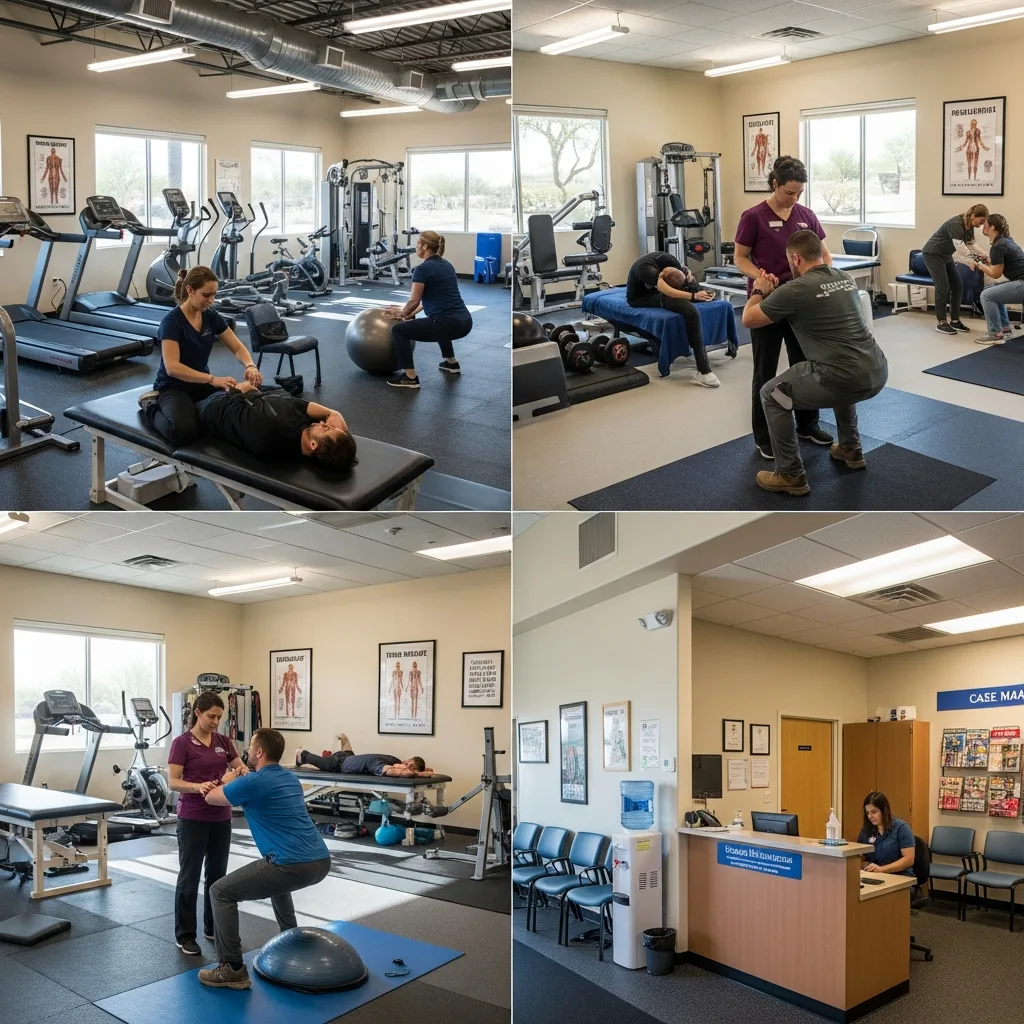
- Rehabilitation services: Physical therapy, occupational therapy, chiropractic care, psychological counseling (if related to the injury).
- Medical equipment: Crutches, wheelchairs, braces, prosthetics.
- Mileage reimbursement: For travel to and from medical appointments.
The insurance carrier is responsible for directing your medical care initially, but you have rights regarding choosing your doctors and challenging treatment decisions. Our Phoenix workers' compensation lawyers ensure you receive the appropriate and necessary medical attention without being unduly limited by the insurance company's agenda.
2. Lost Wages (Economic Damage):
If your injury prevents you from working, or limits your ability to work, you may be eligible for wage replacement benefits. These are typically calculated based on a percentage of your average monthly wage prior to the injury.
- Temporary Total Disability (TTD): If your doctor certifies you are completely unable to work for a temporary period, you can receive benefits generally equal to 2/3 (two-thirds) of your average monthly wage, up to a statutory maximum. These payments begin after a waiting period (typically seven calendar days), but if your disability lasts for 14 consecutive days, you will be paid for the first seven days as well.
- Temporary Partial Disability (TPD): If you can return to work but at a reduced capacity, earning less than your pre-injury wage, you may receive TPD benefits. These compensate you for a portion of the difference between your pre-injury and post-injury earnings.
- Permanent Partial Disability (PPD): If your injury results in a permanent impairment but you can still work, you may be entitled to a lump sum or scheduled payments based on the severity of your impairment (rated by a doctor as an "impairment rating") and its impact on your earning capacity. Arizona law has specific schedules for certain permanent impairments.
- Permanent Total Disability (PTD): If your injury permanently and completely prevents you from returning to any gainful employment, you may receive ongoing lifetime benefits, typically at the 2/3 average monthly wage rate.
3. Vocational Rehabilitation:
If your injury prevents you from returning to your previous job, Arizona workers' compensation may provide vocational rehabilitation services. This can include job placement assistance, retraining programs, or educational support to help you acquire new skills and find suitable employment.
4. Death Benefits:
In the tragic event that a work injury results in death, surviving dependents (spouse, children, other relatives) may be entitled to death benefits. These typically include:
- Funeral and burial expenses: Up to a statutory maximum.
- Monthly support payments: To the surviving spouse and/or minor children, calculated as a percentage of the deceased worker's average monthly wage.
Non-Economic Damages and Punitive Damages Under Arizona Law:
A crucial distinction in Arizona workers' compensation is that it generally does not provide compensation for non-economic damages such as pain and suffering, emotional distress, or loss of enjoyment of life. These types of damages are typically only recoverable in a traditional personal injury lawsuit where fault can be proven, such as a third-party claim arising from a workplace accident (e.g., a car accident caused by a negligent third-party driver while you were working).
Similarly, punitive damages are exceedingly rare in workers' compensation cases. Punitive damages are intended to punish egregious conduct and deter similar actions in the future, and they are not part of the standard workers' comp benefit structure. They might only come into play in extremely rare circumstances where an employer acted with intentional misconduct, or, more commonly, if a separate third-party personal injury claim can be pursued where the third party's actions warranted punitive measures under Arizona law (ARS § 12-601).
Settlement ranges in workers' compensation cases vary dramatically depending on the severity of the injury, the duration of lost wages, the cost of medical treatment, and the degree of permanent impairment. An experienced Phoenix workers' compensation lawyer from AccidentLegalForce will meticulously evaluate all aspects of your case, negotiate aggressively with insurance companies, and if necessary, represent you before the Industrial Commission of Arizona to ensure you receive every dollar of compensation you are legally entitled to.
How Our Phoenix Workers' Compensation Lawyer Team Handles Your Case
Navigating the complexities of an Arizona workers' compensation claim can be daunting, especially when you're recovering from an injury. At AccidentLegalForce, our Phoenix workers' compensation lawyer team is committed to providing a clear, systematic, and supportive approach to handling your case, ensuring your rights are protected every step of the way. We take the burden off your shoulders, allowing you to focus on your recovery while we diligently pursue the compensation you deserve.
1. Free Initial Consultation and Case Evaluation:
Your journey with AccidentLegalForce begins with a free, no-obligation consultation. This is a critical first step where we listen attentively to your story, understand the details of your workplace accident, and assess the nature and severity of your injuries. We will explain your rights under Arizona workers' compensation law, discuss the potential benefits available, and answer all your initial questions. During this meeting, we also evaluate the strength of your potential claim and outline the legal process. This initial consultation allows us to build a foundation of trust and for you to understand how we can help, without any financial commitment.
2. Thorough Investigation and Evidence Gathering:
Once you choose us to represent you, our team immediately begins a comprehensive investigation. This critical phase involves:
- Collecting Medical Records: We gather all relevant medical documentation, including emergency room reports, diagnostic test results (X-rays, MRIs, CT scans), doctor's notes, treatment plans, and billing statements. We ensure these records accurately reflect the extent of your injuries and their direct link to your workplace accident.
- Witness Interviews: We identify and interview any co-workers or other individuals who witnessed the accident or can provide valuable insights into the workplace conditions.
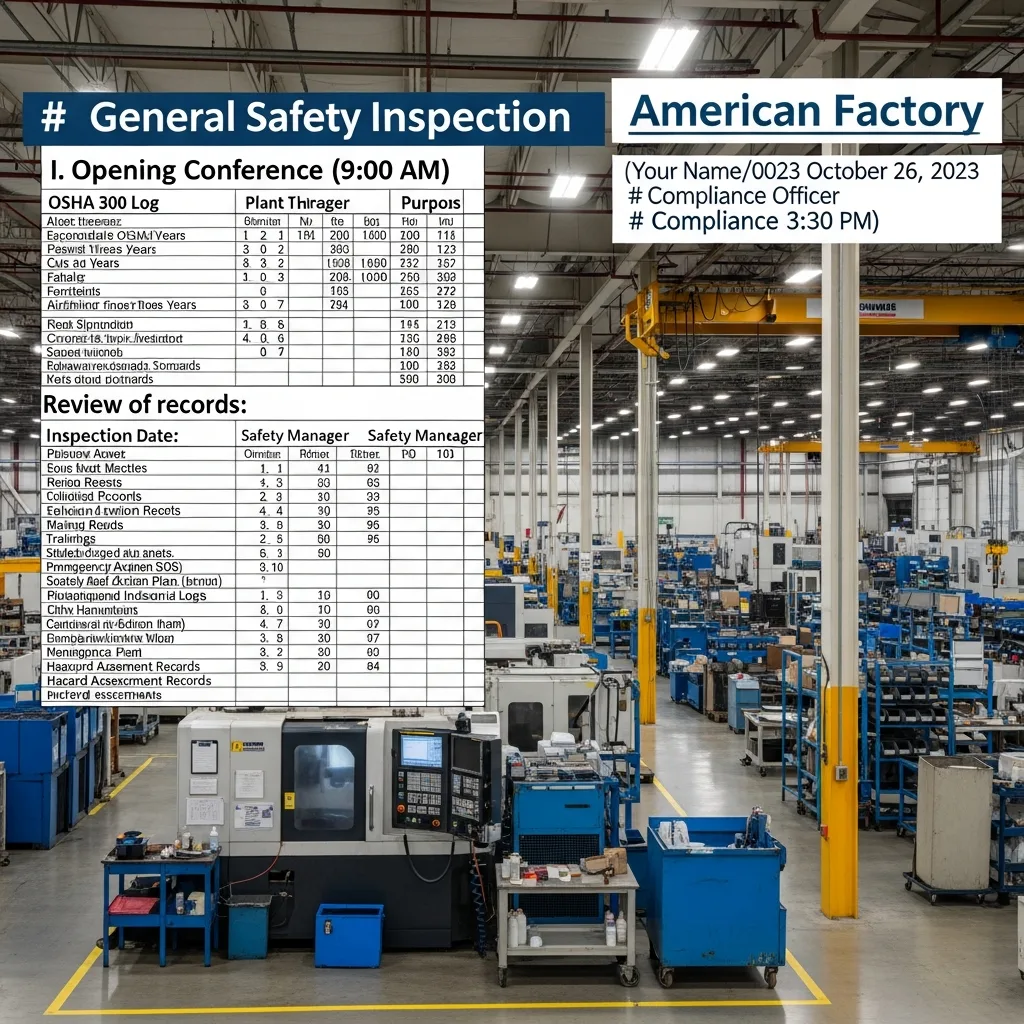
- Accident Reports and Employer Records: We obtain copies of your employer's accident report, safety records, and any other relevant internal documents.
- Scene Documentation: If necessary, we may arrange for photographs or videos of the accident scene, dangerous equipment, or hazardous conditions.
- Expert Consultation: For complex cases, we may consult with medical specialists, vocational experts, or accident reconstructionists to strengthen your claim and accurately assess future medical needs and lost earning capacity.
3. Filing the Claim and Managing Communication with the ICA and Insurers:
We meticulously prepare and file all necessary paperwork with the Industrial Commission of Arizona (ICA) and your employer's workers' compensation insurance carrier within the strict deadlines. This includes the Worker's Report of Injury and any subsequent forms. We then manage all communications with the ICA, the insurance adjuster, and your employer, shielding you from their often-intrusive inquiries and ensuring that all information provided is accurate and protective of your rights. We act as your primary point of contact, reducing your stress and ensuring consistent, professional communication.
4. Strategic Demand Letter and Negotiation:
Once your medical treatment has progressed, and we have a clear understanding of your injuries, prognosis, and financial losses, we will formulate a comprehensive demand letter to the insurance company. This letter outlines your injuries, medical expenses, lost wages, and other eligible benefits, supported by all the evidence we've gathered. Our skilled negotiators then engage with the insurance carrier, advocating fiercely for a fair settlement that fully compensates you under Arizona law. We challenge lowball offers and skillfully counter their tactics, always keeping your best interests at the forefront.
5. Litigation and Hearings Before the Industrial Commission of Arizona:
If negotiations do not result in a fair settlement, we are fully prepared to proceed with litigation. This involves representing you in formal hearings before an Administrative Law Judge (ALJ) at the Industrial Commission of Arizona (ICA). Our trial-experienced attorneys will:
- Present Your Case: We will present all the compelling evidence, call witnesses, and cross-examine adverse witnesses.
- Argue Your Entitlement: We will articulate the legal arguments supporting your claim for medical benefits, lost wages, and permanent disability.
- Respond to Denials: We will vigorously challenge any denials of care or benefits by the insurance company.
- Appeals: Should an initial decision be unfavorable, we are prepared to file appeals and continue fighting for your rights through all available legal channels.
6. Case Resolution and Future Planning:
Whether through negotiation or litigation, our ultimate goal is to achieve the best possible outcome for your case. Once a settlement or award is secured, we assist you in understanding the terms, managing any liens, and planning for your financial future. Our commitment extends beyond the legal battle; we help ensure you have the resources needed to move forward with your life after a work injury. The timeline for each case varies depending on its complexity, the severity of the injury, and the cooperativeness of the insurance company, but our team works diligently to resolve your case as efficiently and effectively as possible.
Why Choose AccidentLegalForce in Phoenix
When faced with a workplace injury in Phoenix, selecting the right legal representation is one of the most critical decisions you will make. At AccidentLegalForce, we understand the profound impact a work accident can have on your life, and we are dedicated to being the unwavering advocate you need. Our firm stands apart due to our deep commitment to our clients, our specialized expertise in Arizona workers' compensation law, and our proven track record of success. Choosing us means partnering with a team that genuinely cares about your recovery and your future.
1. Contingency Fee Basis: No Upfront Costs, No Risk:
We believe that access to justice should not be determined by your financial situation. That's why AccidentLegalForce operates on a contingency fee basis. This means you pay absolutely nothing upfront for our legal services. Our fees are contingent upon us successfully recovering compensation for you. If we don't win your case, you don't owe us any attorney fees. This arrangement eliminates financial risk, allowing you to pursue your claim with confidence, knowing that our interests are directly aligned with yours: securing the maximum possible compensation. We are motivated to win because our success is tied to yours.
2. Trial Experience and Aggressive Advocacy:
While many workers' compensation cases are resolved through negotiation, some require aggressive litigation to achieve a fair outcome. Many law firms prefer to settle quickly, even if it means compromising on the client's best interests. At AccidentLegalForce, our Phoenix workers' compensation lawyers are seasoned trial attorneys with extensive experience representing clients before the Industrial Commission of Arizona (ICA). We are not afraid to go to court and fight for your rights. Our reputation as formidable litigators often prompts insurance companies to offer more reasonable settlements, knowing we are fully prepared to take a case to hearing if necessary. This unwavering commitment to aggressive advocacy ensures that your claim is never undervalued or prematurely settled.
3. In-Depth Local Court Knowledge and Arizona Specific Expertise:
Arizona's workers' compensation system has its own unique rules, procedures, and precedent set by the Industrial Commission of Arizona and state courts. AccidentLegalForce possesses intimate knowledge of these local nuances and the specific administrative law judges who preside over hearings in Phoenix. We understand the local legal landscape, the tendencies of various insurance carriers operating in Arizona, and the most effective strategies for navigating the ICA's processes. Our expertise extends beyond general legal principles; we are specialists in Arizona workers' compensation law, allowing us to provide precise, effective advice tailored to your specific situation and the local jurisdiction.
4. 24/7 Availability and Unwavering Support:
Workplace accidents don't adhere to business hours, and neither do we. At AccidentLegalForce, we understand that questions and concerns can arise at any time. That's why we offer 24/7 availability for our clients. Whether you have an urgent medical question, need to report a new development, or simply require reassurance, our team is accessible to provide the support and guidance you need. We pride ourselves on clear, consistent communication, ensuring you are always informed about the progress of your case. Our commitment to accessibility and client-focused service means you'll never feel alone in your fight for justice.
5. Empathetic and Client-Centered Approach:
Beyond our legal acumen, we approach every case with genuine empathy and a deep understanding of the challenges you face. We know that a workplace injury impacts every aspect of your life – your health, your finances, and your family. We take the time to listen, to understand your personal story, and to tailor our legal strategy to your unique needs and goals. You are not just a case number to us; you are a valued individual who deserves compassionate and effective legal representation.
Choosing AccidentLegalForce means choosing a team that combines local expertise, aggressive advocacy, transparent fee structures, and round-the-clock support to achieve the best possible outcome for your Phoenix workers' compensation claim. Let us be your force for justice.
What to Do After a Workers' Comp in Phoenix
Experiencing a workplace injury in Phoenix can be disorienting and frightening. Your actions immediately following the accident are crucial and can significantly impact the success of your workers' compensation claim. Following these steps diligently will help protect your health, your rights, and your ability to secure the benefits you deserve under Arizona law.
1. Prioritize Your Safety and Seek Immediate Medical Attention:
Your health and well-being are paramount.
- Move to Safety: If possible and safe to do so, remove yourself from any immediate danger at the accident scene.
- Call 911 (If Emergency): For severe or life-threatening injuries, call 911 immediately. Do not delay seeking emergency medical treatment. Your medical records from this initial visit will be crucial evidence linking your injury to the workplace accident.
- Report to On-Site Medical Personnel: If your workplace has a nurse, first responder, or designated medical personnel, report the injury to them and accept any immediate care offered.
- Do Not Delay Treatment: Even if your injury seems minor, seek medical evaluation as soon as possible. Some injuries, like concussions or soft tissue damage, may not manifest fully until hours or days later. A delay in seeking treatment can be used by the insurance company to argue that your injury wasn't work-related or wasn't serious.
2. Report the Injury to Your Employer Promptly:
This is a critical legal requirement under Arizona workers' compensation law.
- Immediate Notification: Inform your supervisor, manager, or employer about the accident and your injury as soon as possible. Do not wait. This should be done verbally first, then followed up in writing.
- Be Specific: Clearly state where, when, and how the accident occurred, and describe the parts of your body that were injured.
- Request an Accident Report: Ask your employer to complete an official accident report. Review it for accuracy before signing, and request a copy for your records. If they don't provide one, document your notification in writing (email or text message is good) and keep a copy.
- Witnesses: Ask if there were any witnesses and request their names and contact information.
3. Document Everything at the Scene:
The more information you can collect, the stronger your case will be.
- Take Photos/Videos: If physically able, use your phone to take pictures or videos of:
- The exact location of the accident.
- Any hazardous conditions or faulty equipment that contributed to the injury.
- Your visible injuries.
- Any other relevant details of the scene.
- Gather Witness Information: Get the names, phone numbers, and email addresses of any co-workers or others who saw the accident or the conditions leading to it.
- Write Down Details: As soon as you can, write down everything you remember about the accident, including the date, time, location, tasks you were performing, how the injury occurred, and who you reported it to. Details can fade quickly.
4. Preserve Evidence:
- Do Not Alter the Scene: If you can avoid it, do not move or discard any equipment, tools, or other items involved in the accident.
- Keep Damaged Clothing/Gear: If your clothing or personal protective equipment (PPE) was damaged in the accident, keep it as evidence.
- Maintain a Medical Journal: Keep a detailed journal of your symptoms, pain levels, limitations, medical appointments, medications, and how your injury is affecting your daily life.
5. Follow Medical Advice and Attend All Appointments:
- Adhere to Treatment Plan: Follow all instructions from your doctors, including taking prescribed medications, attending physical therapy, and refraining from activities that could aggravate your injury.
- Do Not Miss Appointments: Missing appointments can be used by the insurance company to argue that your injuries are not as severe as you claim or that you are not complying with treatment.
- Be Honest with Doctors: Provide accurate and consistent information to all medical professionals about your symptoms and how the injury occurred.
6. Do NOT Provide a Recorded Statement to the Insurance Company Without Legal Counsel:
The employer's workers' compensation insurance carrier will likely contact you quickly. They may seem helpful, but their primary goal is to minimize their payout.
- Decline Recorded Statements: Politely decline to provide a recorded statement or sign any documents without first speaking to an attorney. Statements can be used against you later to deny or reduce your benefits.
- Refer Them to Your Attorney: Once you retain legal counsel, direct all future communications from the insurance company to your lawyer.
7. Contact a Phoenix Workers' Compensation Lawyer at AccidentLegalForce:
This is perhaps the most crucial step after reporting your injury.
- Seek Expert Guidance: The Arizona workers' compensation system is complex. An experienced attorney can protect your rights, ensure all deadlines are met, negotiate with the insurance company, and fight for the full compensation you deserve.
- Free Consultation: AccidentLegalForce offers a free consultation to discuss your specific situation and advise you on the best course of action. Do not hesitate to reach out for professional help.
By taking these proactive steps, you significantly strengthen your workers' compensation claim and increase your chances of receiving fair medical care and wage replacement benefits.

Compensation You May Be Entitled To
Workers' Comp Statistics in Arizona
Understanding the scope of workers' comp accidents in Arizona helps victims know they are not alone — and why aggressive legal representation matters.
Recent Workers' Comp Settlements in Phoenix
These are representative results. Past results don't guarantee future outcomes.
Why Phoenix Victims Choose AccidentLegalForce
When you are searching for a workers' compensation lawyer in Phoenix, you need more than just a lawyer — you need a fighter. Here is what sets us apart from other Arizona personal injury firms:
Zero upfront costs. We only get paid when you do. This means we are 100% motivated to maximize your settlement.
We start building your case the moment you call. Evidence disappears fast — we preserve it before it is gone.
Our attorneys know Arizona courts, judges, and insurance company tactics. We use this insider knowledge to win.
Your attorney is available 24/7. No waiting days for callbacks. Phoenix clients get direct access to their legal team.
⚠️ Insurance Company Tactics to Watch Out For
Insurance adjusters in Arizona are trained to minimize your payout. After a workers' comp in Phoenix, watch out for these common tactics:
- Recorded statements — They will ask for a recorded statement early to use your words against you
- Quick lowball offers — An early settlement offer is almost always far below what your case is worth
- Delaying tactics — Stalling until Arizona's statute of limitations runs out
- Disputing medical treatment — Claiming your injuries were pre-existing or unnecessary
- Surveillance — Hiring investigators to find reasons to deny your claim
Do not face this alone. Call AccidentLegalForce immediately after your workers' comp in Phoenix.
Frequently Asked Questions
How much does a workers' compensation lawyer cost in Phoenix?
At AccidentLegalForce, we work on a contingency fee basis — you pay nothing unless we win your case. This means zero upfront costs for Phoenix accident victims.
How long do I have to file a workers' comp claim in Arizona?
Arizona has a statute of limitations for personal injury claims. It's critical to contact a workers' compensation lawyer in Phoenix as soon as possible to preserve evidence and meet all legal deadlines.
What compensation can I recover after a workers' comp in Phoenix?
Victims of workers' comp accidents in Phoenix may be entitled to medical expenses, lost wages, pain and suffering, property damage, and more. Our attorneys maximize every dollar of your claim.