Why You Need a Motorcycle Accident Lawyer in Tucson
Tucson, Arizona, with its sprawling desert landscapes, scenic routes, and vibrant community, is a magnet for motorcycle enthusiasts. The open roads winding through saguaro forests and along mountain ranges offer unparalleled riding experiences. However, this idyllic setting often conceals significant risks for motorcyclists. The very elements that make Tucson a rider's paradise – the extensive road network, a mix of local and tourist traffic, and unique environmental factors – also contribute to a higher potential for serious accidents.
Tucson's population continues to grow, and with it, the volume of traffic on its major arteries and charming side streets. Drivers, often distracted or simply not accustomed to sharing the road with motorcycles, may fail to see riders, leading to devastating collisions. Factors such as the intense desert sun can create glare that obscures motorcyclists from view, while the sudden, heavy monsoon rains can make roads slick and hazardous without warning. These conditions, combined with the inherent vulnerability of motorcyclists compared to enclosed vehicles, mean that even a minor lapse in attention by another driver can result in catastrophic injuries or fatalities for a rider.
Motorcycle accidents in Tucson are not just statistics; they represent lives irrevocably altered. A crash can lead to debilitating physical injuries, profound emotional trauma, and overwhelming financial burdens. Medical bills quickly mount, lost wages from time off work become a stark reality, and the path to recovery can be long and arduous. In such a challenging time, victims often find themselves at a severe disadvantage when dealing with aggressive insurance adjusters whose primary goal is to minimize payouts. These adjusters are well-versed in tactics designed to undervalue claims, shift blame, or pressure victims into accepting lowball offers before the full extent of their injuries and losses is understood.
This is precisely why securing an experienced motorcycle accident lawyer in Tucson is not merely an option but a necessity. At AccidentLegalForce, we understand the local nuances – from the specific traffic patterns on Tucson's major roads like Speedway Boulevard or Oracle Road to the procedures within Pima County courts. We know that Arizona's legal framework has specific rules that apply to motorcycle accidents, and navigating these without expert guidance can jeopardize your claim. Our team steps in to level the playing field, advocating fiercely on your behalf. We handle all communications with insurance companies, gather crucial evidence, consult with accident reconstructionists and medical experts, and meticulously calculate the full scope of your damages, both economic and non-economic.
Having a dedicated legal advocate means you can focus on your recovery while we tirelessly work to protect your rights and secure the maximum compensation you deserve. We challenge biased narratives that often blame motorcyclists and ensure your story is heard and respected. In the aftermath of a traumatic motorcycle accident in Tucson, the support of a knowledgeable, compassionate, and aggressive legal team is invaluable. We are here to ensure that your future is not defined by the actions of a negligent driver, but by justice and comprehensive recovery.
Most Dangerous Roads and Intersections in Tucson, AZ
Tucson's unique blend of urban development and vast desert stretches creates a diverse road network, some parts of which regrettably pose significant risks for motorcyclists. While any road can be dangerous under certain conditions, patterns of accidents often emerge on specific routes due to high traffic volume, design flaws, driver behavior, or a combination thereof. Understanding these hotspots is crucial for both riders and drivers and underscores the need for heightened vigilance, particularly in these areas.
Interstate 10 (I-10) is a primary artery running through Tucson, connecting it to Phoenix and points east and west. The sheer volume of high-speed traffic, coupled with frequent lane changes, merges, and exits, makes I-10 particularly hazardous. Accidents involving motorcycles often occur during peak commuting hours, with sudden stops or aggressive maneuvers by drivers who fail to adequately check blind spots being common culprits. The stretches near downtown Tucson, where multiple exits converge, and around the Ina Road or Valencia Road interchanges, are areas where vigilance is paramount.
State Routes and Major Boulevards:
- State Route 77 (SR-77) / Oracle Road: This busy thoroughfare extends from the foothills into the heart of Tucson. With numerous commercial establishments, shopping centers, and residential areas lining Oracle Road, it experiences constant ingress and egress traffic. Drivers turning left across multiple lanes or pulling out from side streets often misjudge the speed of approaching motorcycles, leading to T-bone collisions. Intersections along Oracle, especially at Ina Road, Orange Grove Road, and River Road, are notorious for their complexity and high accident rates.
- Speedway Boulevard: As one of Tucson's longest and most active east-west corridors, Speedway Boulevard is a hive of activity. Its multi-lane design, combined with frequent traffic signals, commercial driveways, and pedestrian crossings, creates a high-risk environment. Accidents here often involve drivers failing to yield while turning, or rear-end collisions due to abrupt stops. The intersections of Speedway and Campbell Avenue, or Speedway and Country Club Road, are particularly challenging.
- Grant Road: Similar to Speedway, Grant Road is another major east-west route that sees heavy daily traffic. Ongoing construction projects in certain segments can add to the confusion and hazards. Drivers navigating detours or dealing with changed lane configurations may be less attentive to motorcycles. Key intersections like Grant and First Avenue, or Grant and Alvernon Way, require extra caution.
- Campbell Avenue: This north-south corridor is bustling with activity due to its proximity to the University of Arizona and Banner - University Medical Center Tucson. High pedestrian traffic, frequent U-turns, and numerous side streets contribute to a heightened risk of collisions. The intersections around Campbell and Grant Road, or Campbell and Helen Street, are areas where motorcyclists must be acutely aware of their surroundings.
- Valencia Road and Kolb Road: Located on the rapidly developing south and east sides of Tucson, respectively, these roads are experiencing increased traffic volume. As new communities and businesses emerge, the infrastructure may struggle to keep pace, leading to congested intersections and drivers unfamiliar with the changing environment. Accidents here often involve drivers turning without clear visibility or misjudging speeds on higher-speed stretches.
Beyond specific intersections, the general phenomenon of drivers failing to "see" motorcycles is a pervasive issue across Tucson. This cognitive bias, coupled with distractions like cell phones, means that even on seemingly safe roads, motorcyclists are constantly at risk. The unique light conditions in Arizona, with intense sunlight and deep shadows, can further exacerbate visibility problems.
If you've been involved in an accident on any of these dangerous Tucson roads, understanding the specific contributing factors and establishing fault is paramount. Our team at AccidentLegalForce has extensive experience investigating accidents in these very locations, leveraging local knowledge and resources to build a strong case on your behalf.
Arizona Motorcycle Accident Laws: Statutes, Fault Rules and Deadlines
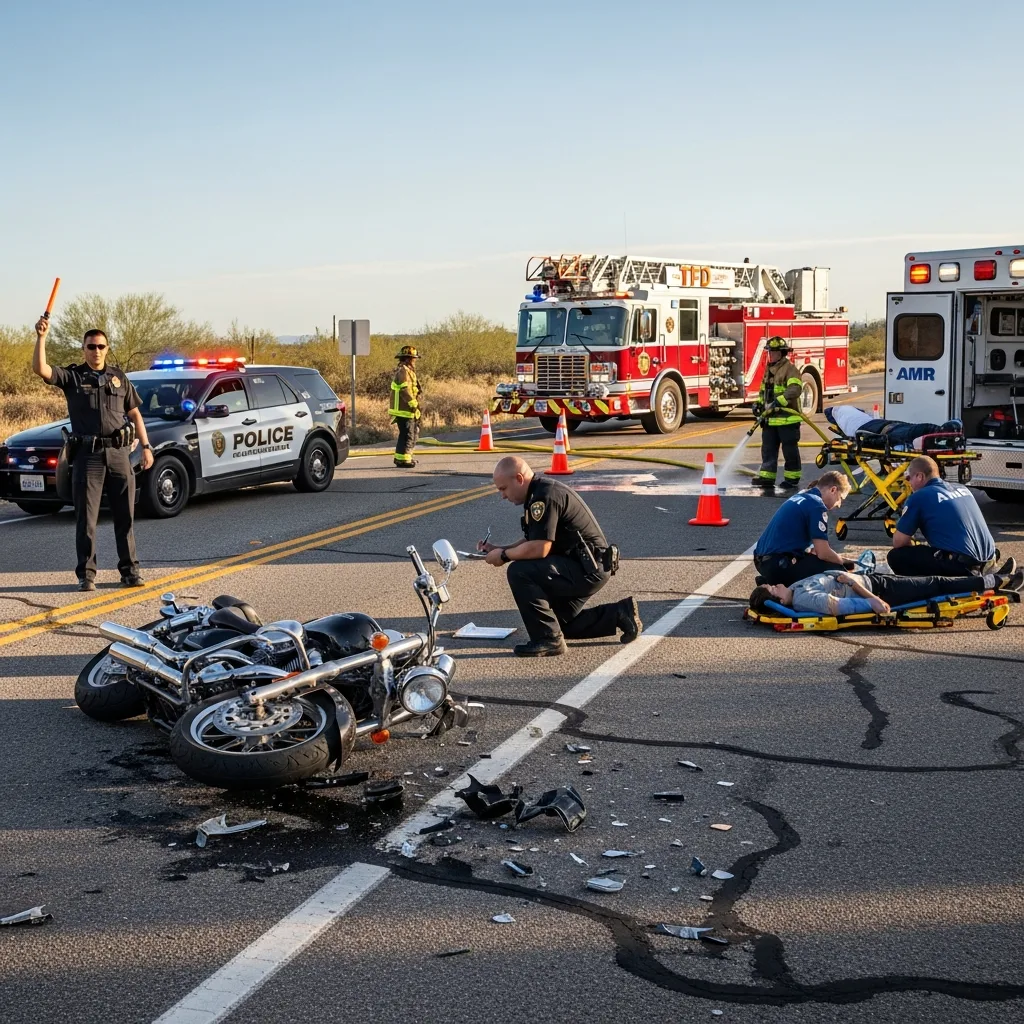
Navigating the legal aftermath of a motorcycle accident in Arizona requires a thorough understanding of the state's specific laws, statutes, and deadlines. These legal intricacies can significantly impact your ability to recover compensation, making expert legal guidance indispensable.
Arizona's Statute of Limitations for Personal Injury Claims:
One of the most critical deadlines you face is the statute of limitations. In Arizona, for most personal injury claims, including those arising from motorcycle accidents, you generally have two years from the date of the injury to file a lawsuit in civil court. This is codified under Arizona Revised Statutes (A.R.S.) § 12-542. While two years may seem like ample time, the investigative process, gathering of medical records, and negotiation with insurance companies can be lengthy. Missing this deadline almost invariably means forfeiting your right to seek compensation through the courts, regardless of the severity of your injuries or the clarity of fault. There are limited exceptions, such as cases involving minors (where the two-year clock typically starts when they turn 18) or claims against governmental entities (which have much shorter notice requirements, often 180 days). Therefore, prompt legal consultation is crucial.
Arizona's Modified Comparative Fault Rules:
Arizona operates under a system of modified comparative fault, as outlined in A.R.S. § 12-2505. This rule means that if you are found to be partially at fault for the accident, your recoverable damages will be reduced by your percentage of fault. For example, if a jury determines your total damages are $100,000, but you were 10% at fault for the accident (perhaps for speeding slightly), your compensation would be reduced by $10,000, leaving you with $90,000. Crucially, Arizona's system does not employ a 50% bar rule, unlike many other comparative fault states. This means that even if you are found to be 50% or more at fault, you can still recover damages, albeit significantly reduced. The judge or jury determines the percentage of fault for each party involved. Insurance companies often attempt to unfairly assign a higher percentage of fault to motorcyclists due to common biases, making skilled legal representation vital to protect your claim.
Specific Arizona Motorcycle Laws:
- Helmet Law: In Arizona, helmets are required only for motorcyclists and passengers under the age of 18. Riders 18 and older are not legally mandated to wear a helmet. However, wearing a helmet is strongly recommended for safety and can significantly reduce the risk of severe head injuries. While not wearing a helmet if you're over 18 won't prevent you from filing a claim, the at-fault party's insurance company may argue that your injuries would have been less severe had you worn one, attempting to reduce your compensation.
- Lane Splitting: Lane splitting is illegal in Arizona. This practice, where a motorcycle rides between lanes of stopped or slowly moving traffic, is prohibited. Engaging in lane splitting at the time of an accident could be used by the defense to argue your partial fault.
- Insurance Requirements: Arizona mandates minimum liability insurance coverage for all drivers, including motorcyclists. As per A.R.S. § 28-4009, the minimums are:
- $25,000 for bodily injury to one person
- $50,000 for bodily injury to two or more persons in one accident
- $15,000 for property damage per accident
While these are the minimums, carrying higher liability limits and considering Uninsured/Underinsured Motorist (UIM) coverage is highly advisable. UIM coverage protects you if the at-fault driver has no insurance or insufficient insurance to cover your damages, a distressingly common scenario in serious motorcycle accidents.
Understanding these laws is fundamental to building a strong case. Our Tucson motorcycle accident lawyers at AccidentLegalForce are intimately familiar with Arizona's legal landscape, ensuring that your rights are protected and your claim is pursued effectively within these critical parameters.
Common Injuries from Motorcycle Accidents in Tucson
Motorcycle accidents, by their very nature, often result in far more severe injuries compared to collisions involving enclosed vehicles. Without the protective cage of a car, airbags, or seatbelts, motorcyclists are directly exposed to the force of impact, the road surface, and surrounding objects. In Tucson, the high speeds on interstates, the often-abrasive desert terrain, and the specific dynamics of local traffic can exacerbate these dangers. The injuries sustained can be life-altering, requiring extensive medical treatment, long-term rehabilitation, and often resulting in permanent disability.
Traumatic Brain Injury (TBI): Despite helmet use, TBIs remain a leading cause of severe injury and fatality in motorcycle accidents. The force of impact, even with a helmet, can cause the brain to impact the inside of the skull, leading to concussions, contusions, diffuse axonal injury, or intracranial hemorrhages. Symptoms can range from mild (headaches, dizziness, confusion) to severe (coma, cognitive deficits, memory loss, personality changes, motor impairment). The long-term costs of TBI treatment, including neurorehabilitation and lost earning capacity, can be astronomical, easily extending into millions of dollars over a lifetime.
Spinal Cord Injuries (SCI): Damage to the spinal cord can result in partial or complete paralysis (paraplegia or quadriplegia), leading to a permanent loss of motor function, sensation, and bodily control below the injury site. These injuries often occur from severe blunt force trauma or twisting motions during a crash. The impact on a victim's life is profound, requiring lifelong medical care, assistive devices, home modifications, and significant personal assistance. The emotional and financial toll on both the victim and their family is immense.
Fractures and Broken Bones: High-impact collisions frequently cause multiple and severe fractures. Common sites include the arms, legs, pelvis, ribs, and collarbones. Compound fractures (where the bone breaks through the skin) are particularly dangerous due to infection risk. These injuries often require complex surgeries, internal fixation (rods, plates, screws), prolonged immobilization, and extensive physical therapy. Some fractures may never heal completely, leading to chronic pain, limited mobility, or even amputation in extreme cases.
Road Rash and Burns: When a rider is thrown from their bike and slides across the asphalt, the friction can cause severe abrasions known as "road rash." This can range from superficial scrapes to deep wounds that strip away skin, muscle, and even bone. Such injuries are incredibly painful, prone to infection, and often require extensive wound care, skin grafts, and leave permanent scarring or disfigurement. In some cases, contact with hot engine parts or fuel ignition can also lead to severe thermal burns, necessitating specialized burn unit care and reconstructive surgery.
Internal Injuries: The blunt force trauma of an accident can cause significant damage to internal organs, including the lungs, liver, spleen, kidneys, and intestines. These injuries may not be immediately apparent but can be life-threatening if left undiagnosed. Internal bleeding, organ rupture, and collapsed lungs are serious conditions that require emergency medical intervention and often extensive surgery.
Soft Tissue Injuries: While sometimes overlooked, injuries to muscles, tendons, and ligaments (sprains, strains, tears) can be debilitating and cause chronic pain. Whiplash, often associated with car accidents, can also occur in motorcycle crashes, leading to neck and back pain, stiffness, and headaches. These injuries can significantly impact mobility and quality of life, requiring ongoing physical therapy, pain management, and sometimes injections or surgery.
Post-Traumatic Stress Disorder (PTSD) and Emotional Trauma: The sheer terror and violence of a motorcycle accident can leave lasting psychological scars. Many victims experience PTSD, characterized by flashbacks, nightmares, anxiety, avoidance behaviors, and hypervigilance. Depression, panic attacks, and fear of riding again are also common. These emotional injuries are just as real as physical ones and require professional mental health support, which can be a long-term and costly endeavor.
The financial implications of these injuries are staggering, encompassing emergency medical services, hospital stays, surgeries, medications, rehabilitation (physical, occupational, speech therapy), adaptive equipment, ongoing specialist consultations, and psychological counseling. Beyond the direct costs, victims often face a significant loss of income, both immediately due to inability to work and long-term due to reduced earning capacity or permanent disability. At AccidentLegalForce, we meticulously document and quantify the full spectrum of your injuries and their associated costs, ensuring that your compensation reflects the true impact on your life, both now and in the future.
Compensation Available for Tucson Motorcycle Accident Victims
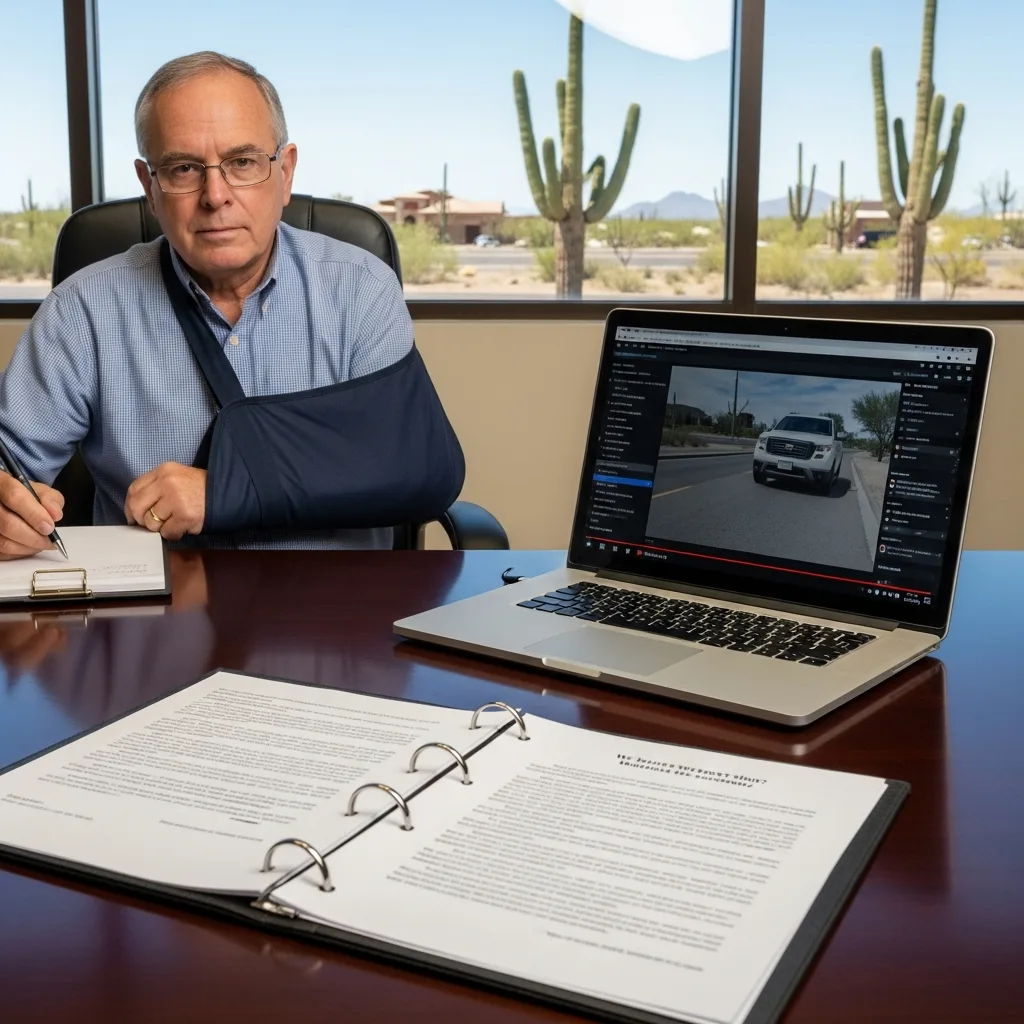
A motorcycle accident in Tucson can leave victims with devastating injuries and overwhelming financial burdens. Understanding the types of compensation available is crucial for ensuring you receive the full and fair recovery you deserve. Arizona law allows accident victims to seek damages for both their tangible losses (economic) and their intangible suffering (non-economic). In rare cases, punitive damages may also be awarded.
Economic Damages:
These damages are quantifiable financial losses that can be precisely calculated through bills, receipts, and wage statements. They represent the objective costs incurred as a direct result of the accident.
- Medical Expenses: This is often the largest component of economic damages. It includes all past medical bills, such as emergency room visits, ambulance transport, hospital stays, surgeries, medications, diagnostic tests (X-rays, MRIs, CT scans), specialist consultations, and rehabilitation (physical therapy, occupational therapy, chiropractic care, psychological counseling). Crucially, it also includes future medical expenses, which can be substantial for severe, long-term injuries like TBI or SCI, requiring lifelong care, future surgeries, or adaptive equipment.
- Lost Wages and Earning Capacity: If your injuries prevent you from working, you are entitled to compensation for past lost wages from the time of the accident until your case is resolved. More importantly, if your injuries lead to a permanent disability or reduce your ability to perform your job or find future employment, you can claim loss of future earning capacity. This is calculated based on your pre-accident income, career trajectory, and the extent of your disability, often requiring expert vocational and economic analysis.
- Property Damage: This covers the cost to repair or replace your damaged motorcycle, helmet, riding gear, and any other personal property destroyed in the accident. If your motorcycle is totaled, you are entitled to its fair market value.
- Out-of-Pocket Expenses: This category includes any other expenses directly related to the accident and your recovery, such as mileage to and from medical appointments, rental car costs (if applicable, or alternative transportation), assistive devices (wheelchairs, crutches), modifications to your home or vehicle for accessibility, and even childcare costs if you're unable to care for your children due to injuries.
Non-Economic Damages:
These damages are more subjective and compensate for the intangible losses that significantly impact your quality of life. While not easily quantifiable with receipts, they are a very real and often profound part of a victim's suffering.
- Pain and Suffering: This is compensation for the physical pain you endured from your injuries, the discomfort of treatment, and the ongoing chronic pain or discomfort you may experience.
- Emotional Distress/Mental Anguish: Accidents are traumatic events. This covers the psychological impact, including anxiety, depression, fear, frustration, anger, grief, shock, and the development of conditions like PTSD.
- Loss of Enjoyment of Life: If your injuries prevent you from participating in hobbies, recreational activities, or daily activities you once enjoyed, you can seek compensation for this diminished quality of life. For a motorcyclist, this might include the inability to ride again.
- Disfigurement and Scarring: Severe road rash, burns, or surgical scars can lead to permanent disfigurement, causing emotional distress, self-consciousness, and psychological trauma, particularly if visible.
- Loss of Consortium: In cases of severe injury or wrongful death, a spouse or children may claim for the loss of companionship, affection, support, and services of the injured or deceased family member.
Punitive Damages (Under Arizona Law):
Punitive damages are distinct from economic and non-economic damages. Their purpose is not to compensate the victim but to punish the at-fault party for egregious conduct and to deter similar behavior in the future. In Arizona, punitive damages are rarely awarded and require a high legal standard of proof. As per A.R.S. § 12-653.02, they are typically reserved for cases where the defendant's actions demonstrated "an evil mind" – meaning they acted with malice, gross negligence, or a reckless disregard for the rights and safety of others. Examples might include extreme drunk driving or intentional dangerous behavior. Our attorneys can evaluate if your case meets the strict criteria for punitive damages under Arizona law.
Settlement Ranges and Factors:
There is no "average" settlement for a motorcycle accident in Tucson, as each case is unique. Settlement ranges can vary dramatically, from a few thousand dollars for minor injuries to millions for catastrophic, life-altering injuries. Key factors influencing the value of your claim include:
- Severity of Injuries: The more severe and permanent your injuries, the higher the potential compensation.
- Medical Costs (Past and Future): Extensive and ongoing medical needs increase the value.
- Lost Wages and Earning Capacity: Significant income loss directly impacts the claim's value.
- Clear Evidence of Fault: A strong, undisputed liability case increases settlement potential.
- Insurance Policy Limits: The at-fault driver's insurance coverage limits (and your UIM coverage) can cap the maximum recovery.
- Jurisdiction: While we focus on Tucson, Pima County juries and judges will have their own tendencies.
- Skill of Your Attorney: An experienced attorney can effectively negotiate and, if necessary, litigate to maximize your compensation.
At AccidentLegalForce, our Tucson motorcycle accident lawyers are adept at meticulously calculating all potential damages and aggressively negotiating with insurance companies to ensure you receive comprehensive compensation for every aspect of your suffering and loss.
How Our Tucson Motorcycle Accident Lawyer Team Handles Your Case
When you've been involved in a motorcycle accident in Tucson, the path to recovery and justice can seem daunting. At AccidentLegalForce, we are committed to guiding you through every step of this complex legal journey, allowing you to focus on your physical and emotional healing. Our structured approach ensures thoroughness, aggressive advocacy, and clear communication from start to finish.
1. Free Initial Consultation & Comprehensive Case Evaluation:
Your journey with us begins with a free, no-obligation consultation. During this initial meeting, we listen attentively to your story, understand the circumstances of your accident, and assess the nature of your injuries. We'll ask detailed questions about the scene, witnesses, police involvement, and your immediate medical care. This allows us to provide an honest and informed preliminary evaluation of your case, discuss your legal options, and explain how Arizona's specific laws apply to your situation. This is also an opportunity for you to ask us any questions you have and to gain a clear understanding of what to expect.
2. Thorough Investigation and Evidence Gathering:
Once you retain our services, our team immediately launches a comprehensive investigation. This is a critical phase where we gather all necessary evidence to build a strong, irrefutable case demonstrating the other party's negligence. Our investigation typically includes:
- Obtaining Police Reports: We secure the official accident report from the Tucson Police Department or Arizona Department of Public Safety.
- Interviewing Witnesses: We track down and interview any eyewitnesses to the accident, securing their statements.
- Collecting Photographic and Video Evidence: We gather photos and videos from the accident scene, including those taken by you, witnesses, or surveillance cameras from nearby businesses.
- Medical Records and Bills: We compile all your medical records, including emergency room reports, hospital charts, doctor's notes, diagnostic test results, and therapy records. We also meticulously collect all medical bills to document your economic damages.
- Accident Reconstruction: For complex cases, we may work with accident reconstruction specialists to analyze vehicle dynamics, impact forces, and contributing factors, providing expert testimony.
- Expert Consultations: We may consult with medical specialists, vocational experts, and economists to fully assess the long-term impact of your injuries on your health, ability to work, and future earning capacity.
- Lost Wage Documentation: We collect pay stubs, employment records, and tax documents to accurately calculate past and future lost income.
3. Damage Assessment and Demand Letter Preparation:
With all evidence meticulously collected and analyzed, we accurately calculate the full scope of your damages. This includes both the readily quantifiable economic damages (medical bills, lost wages, property damage) and the more subjective, yet equally vital, non-economic damages (pain and suffering, emotional distress, loss of enjoyment of life).
Once we have a comprehensive understanding of your total losses, we prepare a compelling demand letter. This detailed document outlines the facts of the accident, presents the evidence of the defendant's liability, details the extent of your injuries and damages, and articulates a demand for fair compensation from the at-fault driver's insurance company.
4. Aggressive Negotiation with Insurance Companies:
Following the submission of the demand letter, we engage in direct and aggressive negotiations with the insurance adjusters. Be assured that insurance companies are not on your side; their goal is to settle for the lowest possible amount. Our experienced negotiators are well-versed in their tactics and will fiercely advocate for your best interests. We counter lowball offers with strong evidence, challenge arguments of comparative fault, and relentlessly push for a settlement that fully compensates you for your losses. We handle all communications, protecting you from intrusive questions and manipulative strategies.
5. Litigation: Filing a Lawsuit and Trial (If Necessary):
While many cases settle out of court, if the insurance company refuses to offer a fair settlement, we are fully prepared to take your case to trial. This involves:
- Filing a Lawsuit: We formally file a personal injury lawsuit in the appropriate Pima County court, initiating the litigation process.
- Discovery: This phase involves exchanging information with the opposing side. It includes interrogatories (written questions), requests for production of documents, and depositions (sworn out-of-court testimony).
- Mediation or Arbitration: Before trial, many Arizona courts require or encourage alternative dispute resolution methods like mediation (where a neutral third party helps facilitate a settlement) or arbitration (where a neutral third party hears both sides and makes a decision).
- Trial: If no settlement is reached, we will represent you vigorously in court, presenting your case to a judge and jury. Our trial attorneys have a proven track record of success in the courtroom, leveraging expert witnesses and compelling arguments to secure a favorable verdict.
6. Settlement and Disbursement:
Once a settlement or verdict is reached, we handle all the necessary paperwork, ensure all liens (such as medical bills or health insurance subrogation claims) are properly negotiated and paid, and disburse the remaining funds to you promptly.
Throughout this entire process, our AccidentLegalForce team in Tucson maintains open and consistent communication, keeping you informed of every development and providing compassionate support. We are your dedicated advocates, fighting tirelessly to secure the justice and financial recovery you deserve.

Why Choose AccidentLegalForce in Tucson
Choosing the right legal representation after a motorcycle accident in Tucson is one of the most critical decisions you will make. At AccidentLegalForce, we understand the profound impact such an event has on your life, and we are dedicated to providing not just legal expertise, but also compassionate and unwavering support. Our commitment to our clients in Tucson is founded on several key principles that set us apart.
Contingency Fee Basis: No Win, No Fee Guarantee:
One of the primary concerns for accident victims is the cost of legal representation, especially when facing mounting medical bills and lost income. We alleviate this burden by operating on a contingency fee basis. This means you pay nothing upfront for our legal services. Our fees are contingent upon us winning your case, whether through a settlement or a court verdict. If we don't recover compensation for you, you owe us nothing. This "no win, no fee" policy ensures that high-quality legal representation is accessible to everyone, regardless of their current financial situation, allowing you to pursue justice without added financial stress. Our fees are a percentage of the final settlement or award, transparently agreed upon from the outset.
Extensive Trial Experience and Readiness:
While many personal injury cases settle out of court, it is crucial to have a legal team that is not only prepared but also experienced and comfortable taking a case to trial if necessary. Insurance companies are well aware of which firms are willing to litigate and which prefer to settle quickly. Our attorneys at AccidentLegalForce possess extensive trial experience and a reputation for aggressive advocacy in the courtroom. We meticulously prepare every case as if it will go to trial, which often signals to insurance companies that we are serious and will not back down from demanding fair compensation. This readiness to litigate often results in more favorable settlement offers, as insurers know we are fully capable of proving our case to a jury in Pima County.
Deep Local Court Knowledge and Community Roots:
Effective legal representation in Tucson requires more than just a general understanding of Arizona law; it demands an intimate knowledge of the local legal landscape. Our team is deeply rooted in the Tucson community and possesses invaluable experience with the Pima County Superior Court, Tucson Justice Courts, and the local legal community. We are familiar with local court procedures, the tendencies of local judges, and the nuances of presenting a case to a Tucson jury. This local insight allows us to anticipate challenges, craft tailored legal strategies, and navigate the specific dynamics of the Tucson justice system more effectively, ultimately benefiting your case. We know the local experts, the local law enforcement agencies, and the local medical community, which are all vital resources in building a strong claim.
24/7 Availability and Unwavering Support:
Accidents don't adhere to business hours, and neither do the questions and concerns that arise in their aftermath. We understand that you need support and answers when you need them most. That's why AccidentLegalForce offers 24/7 availability for our clients. Whether it's a late-night question about your medical care, a concern about an insurance company contact, or simply needing reassurance, our team is accessible. We pride ourselves on open, consistent communication, ensuring you are always informed about the progress of your case and have a compassionate ear to listen. We are committed to providing personalized attention and dedicated support throughout your entire legal journey.
Choosing AccidentLegalForce means partnering with a team that is not only highly skilled and experienced in motorcycle accident law but also genuinely cares about your well-being and recovery. We fight relentlessly to secure the justice and maximum compensation you deserve, allowing you to focus on rebuilding your life after a devastating motorcycle accident in Tucson.
What to Do After a Motorcycle Accident in Tucson
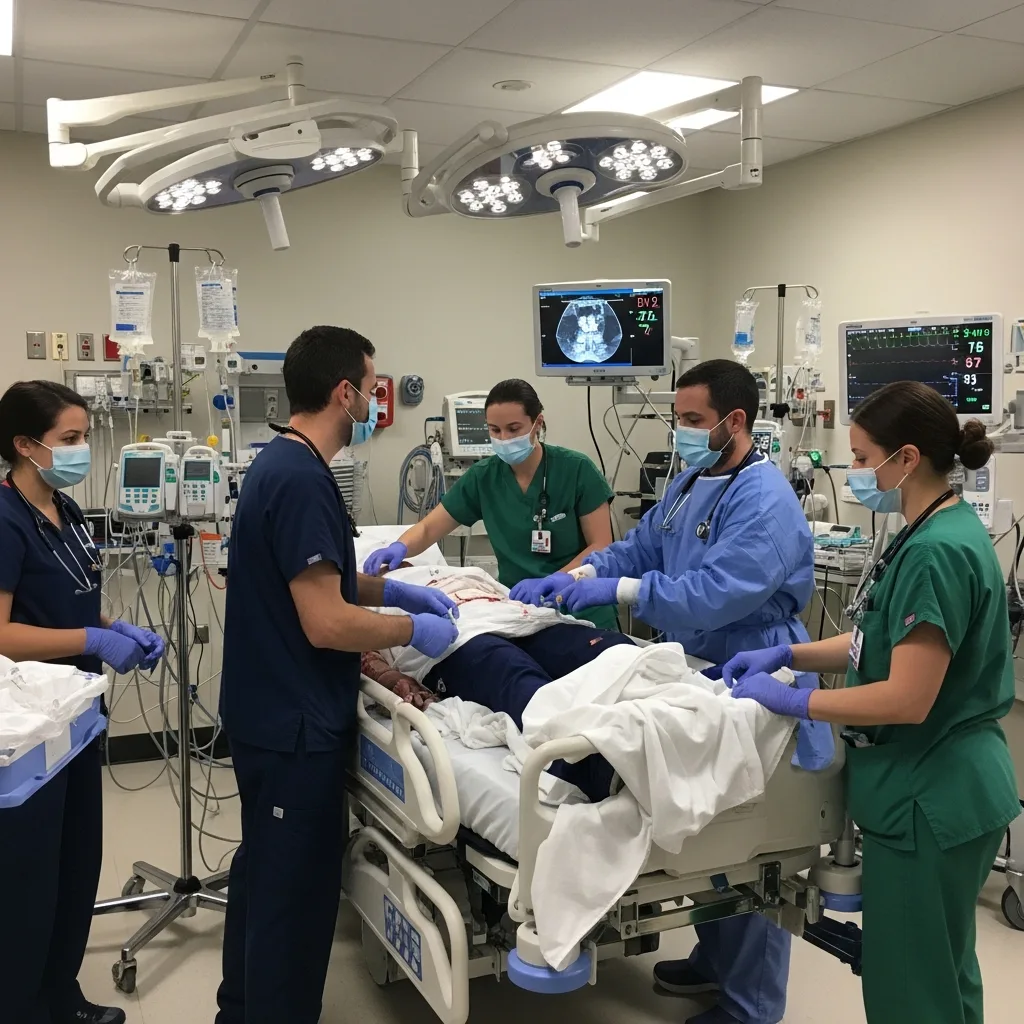
The moments immediately following a motorcycle accident in Tucson can be disorienting, painful, and confusing. However, the actions you take (or don't take) in the immediate aftermath can significantly impact your health, safety, and the strength of any potential legal claim. It's crucial to remain as calm as possible and follow a structured set of steps to protect yourself and your rights.
1. Prioritize Safety and Assess Injuries:
Your immediate safety is paramount.
- Move to Safety (If Possible): If your motorcycle is safely movable and you are not severely injured, move yourself and your bike to the side of the road, out of the flow of traffic, to prevent further collisions. If you suspect a serious injury, especially to your head or spine, do not move and wait for emergency responders.
- Check Yourself and Others: Quickly assess your own injuries. Are you bleeding? Can you move your limbs? Check on anyone else involved in your accident, but avoid moving them if they appear severely injured.
2. Call 911 Immediately:
Regardless of how minor the accident may seem, it is vital to call 911 (police and paramedics).
- Police Report: Law enforcement (Tucson Police Department or Arizona Department of Public Safety) will respond, investigate the scene, and create an official accident report. This report is a crucial piece of evidence for your claim, detailing basic facts, identifying involved parties, and potentially assigning initial fault. Even if the other driver tries to persuade you not to call the police, insist on it.
- Medical Attention: Paramedics will assess your injuries at the scene. Even if you feel okay, allow them to examine you. Adrenaline can mask pain and symptoms of serious injuries, such as internal bleeding or head trauma. Refusing medical attention at the scene can be used by insurance companies to argue that your injuries weren't severe or weren't caused by the accident.
3. Document the Scene Extensively:
Evidence collection at the scene is critical.
- Take Photos and Videos: Use your smartphone to take numerous photos and videos of everything. Capture:
- Damage to your motorcycle and the other vehicles involved from multiple angles.
- The position of all vehicles.
- Any skid marks, debris, or fluid on the road.
- Road conditions, traffic signs, and signals.
- Weather conditions.
- Your injuries (bruises, cuts, road rash).
- The broader accident scene to show the surrounding environment.
- Gather Information:
- Other Driver(s): Get their name, contact information, driver's license number, vehicle license plate number, and insurance information (company name and policy number).
- Witnesses: Ask for names and contact information from anyone who saw the accident. Their unbiased testimony can be invaluable.
- Responding Officers: Get the officers' names, badge numbers, and the report number.
4. Seek Prompt Medical Attention:
Even if you declined ambulance transport at the scene, see a doctor as soon as possible after the accident.
- Medical Documentation: A prompt medical examination creates a direct link between the accident and your injuries. Any delay can allow insurance companies to argue your injuries were pre-existing or unrelated to the crash.
- Follow Doctor's Orders: Adhere strictly to all medical advice, including specialist referrals, prescribed medications, and therapy sessions. Gaps in treatment can weaken your claim.
- Keep Records: Maintain detailed records of all medical appointments, treatments, and prescriptions.
5. Preserve All Evidence:
- Your Motorcycle and Gear: Do not repair your motorcycle or dispose of damaged gear (helmet, jacket, boots) until your attorney advises you to. These items are crucial physical evidence.
- Keep a Journal: Document your daily pain levels, limitations, emotional state, and how the injuries impact your daily life. This can be powerful evidence of your non-economic damages.
6. Be Cautious with Insurance Companies:
- Do NOT Admit Fault: Never admit fault, apologize, or make any statements that could be interpreted as admitting fault, even casually.
- Limit Communication: Provide only basic contact and insurance information to the other driver's insurance company. Do not give a recorded statement, sign any documents, or accept any settlement offers without first consulting with an attorney. Insurance adjusters are trained to elicit information that can be used against you.
- Refer to Your Attorney: Once you retain legal counsel, direct all communications from insurance companies to your attorney.
7. Contact a Tucson Motorcycle Accident Attorney Immediately:
The sooner you contact an experienced attorney, the better. Our team at AccidentLegalForce can:
- Protect your rights from the outset.
- Handle all communications with insurance companies.
- Ensure all necessary evidence is preserved and collected.
- Guide you through the complex legal process.
- Help you understand your rights under Arizona law and the statute of limitations.
By taking these crucial steps after a motorcycle accident in Tucson, you significantly strengthen your position for a successful personal injury claim and ensure your well-being remains the priority.
---

"After my Motorcycle Accident accident in Tucson, I was lost. This team got me 3x what insurance offered. They fought hard and delivered."
"My claim was denied twice. These attorneys appealed and got me full compensation. Best decision I ever made."
"Available 24/7, they answered every question. Recovered $420k for my case. Highly recommend."
"Professional and aggressive. They knew exactly how to handle my case and got maximum compensation. Zero upfront cost."
Frequently Asked Questions
How much does a motorcycle accident lawyer cost in Tucson?
At AccidentLegalForce, we work on contingency — zero upfront cost. You pay nothing unless we win.
How long do I have to file a claim in Arizona?
Arizona typically has a 2-3 year statute of limitations. Act fast — evidence disappears quickly.
What compensation can I recover after a motorcycle accident in Tucson?
Medical expenses, lost wages, pain & suffering, property damage, emotional distress, and punitive damages in egregious cases.
How long does a motorcycle accident case take in Arizona?
Most cases settle in 6-18 months. Complex cases may take longer. We push for fast resolution without sacrificing maximum compensation.
Can I recover damages if I was partially at fault?
Arizona uses comparative negligence. As long as you're not more than 50-51% at fault, you can still recover damages proportional to the other party's fault.