Why You Need a Bus Accident Attorney in Tempe
Tempe, Arizona, is a city defined by its youthful energy, rapid growth, and complex transportation network. Home to Arizona State University (ASU), it experiences a constant ebb and flow of students, residents, and commuters, all navigating a dense urban environment. This unique blend of factors contributes to a higher incidence of traffic incidents, and bus accidents, in particular, present a formidable challenge for victims seeking justice.
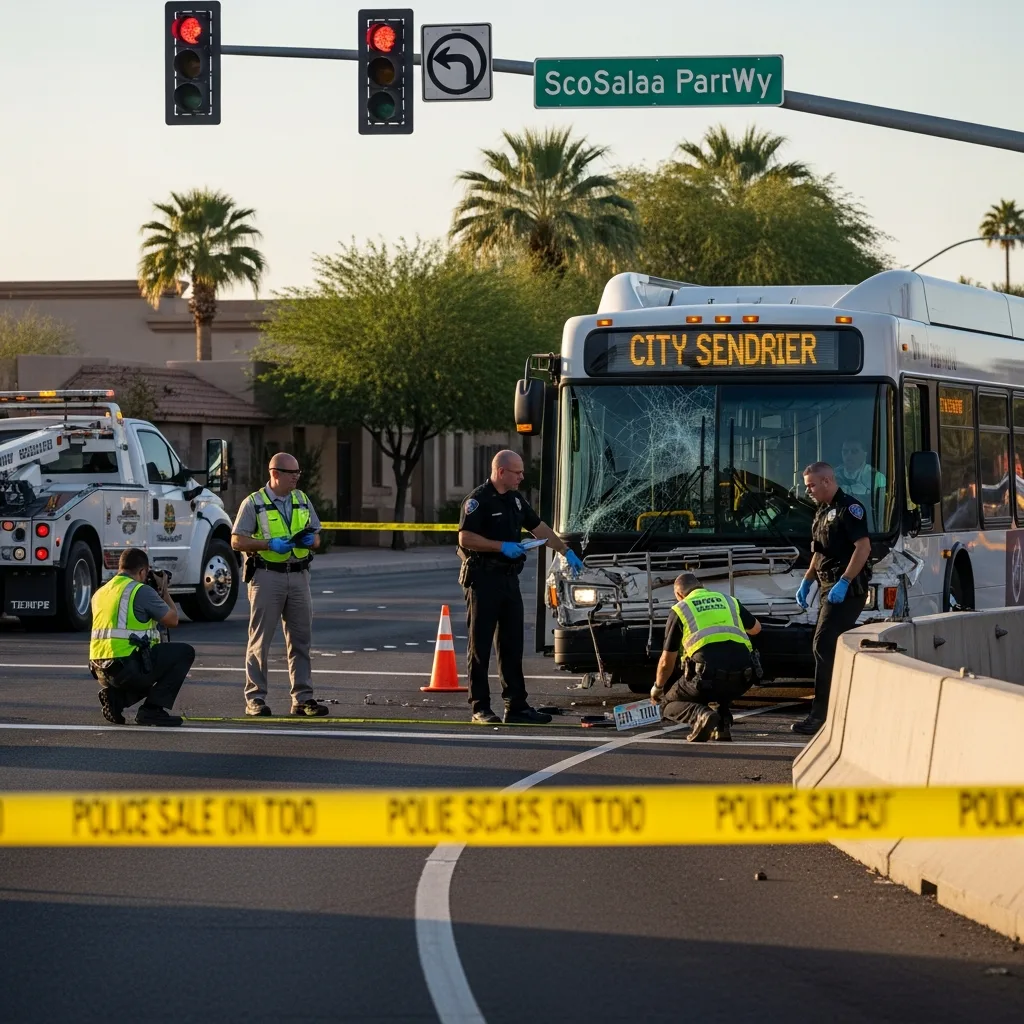
The sheer volume of traffic in Tempe, especially during peak hours, significantly increases the likelihood of collisions. Major thoroughfares like Mill Avenue, Rural Road, University Drive, and the surrounding interstate highways (I-10, US-60, Loop 101, Loop 202) are consistently congested. Buses, whether operated by Valley Metro, ASU, private charter companies, or school districts, share these busy roads with thousands of cars, motorcycles, bicycles, and pedestrians. This multi-modal environment creates a crucible for accidents, where a moment of inattention or a mechanical failure can lead to catastrophic consequences.
A bus accident is fundamentally different from a typical car accident. The size and weight of a bus mean that impacts often result in far more severe injuries for occupants of smaller vehicles, pedestrians, or even bus passengers themselves. Furthermore, the parties involved are rarely straightforward. Instead of just two drivers, a bus accident can involve:
- The bus driver
- The bus company (public transit authority, school district, private charter)
- Maintenance companies
- Manufacturers of defective bus parts
- Other drivers involved in the collision
- Government entities responsible for road design or maintenance
Each of these entities comes with its own team of lawyers, insurance adjusters, and extensive resources, all working to minimize their liability and payouts. This creates an immediate power imbalance that can overwhelm an injured victim trying to recover and understand their rights.
An experienced Tempe bus accident attorney serves as your crucial advocate in this complex legal arena. They understand the specific challenges posed by bus accidents in a city like Tempe, including:
- Local Traffic Patterns and Hazards: Familiarity with Tempe's most dangerous intersections and roads allows for a more targeted investigation.
- Governmental Immunity Issues: Many bus companies are public entities, which have specific laws (like shorter notice of claim deadlines) that must be followed precisely.
- Commercial Regulations: Buses operate under strict federal and state regulations (FMCSA, ADOT). A skilled attorney knows how to investigate violations of these rules, which can prove negligence.
- Extensive Evidence Collection: From black box data and driver logs to maintenance records and surveillance footage, gathering all relevant evidence requires legal expertise and authority.
- Serious Injuries and High Stakes: Bus accidents often lead to life-altering injuries requiring extensive medical care and long-term support. An attorney ensures all future needs are accounted for in compensation.
Without expert legal representation, you risk being unfairly blamed, accepting a lowball settlement offer that doesn't cover your full damages, or missing critical legal deadlines. An attorney from AccidentLegalForce will protect your rights, level the playing field, and relentlessly pursue the maximum compensation you are entitled to, allowing you to focus on healing and rebuilding your life after such a traumatic event.
---
Most Dangerous Roads and Intersections in Tempe, AZ
Tempe's dynamic urban landscape, characterized by major freeways, bustling commercial districts, and a large university campus, unfortunately, includes several roads and intersections that are statistically prone to accidents, including those involving buses. Understanding these high-risk areas is crucial for all drivers and pedestrians, and particularly relevant when investigating the circumstances of a bus collision.
The freeway system running through and around Tempe sees immense traffic volume daily. Interstate 10 (I-10), a major transcontinental artery, cuts directly through Tempe. Its intersections with US-60 (Superstition Freeway), Loop 101 (Pima Freeway), and Loop 202 (Red Mountain Freeway) are notorious for congestion, high-speed collisions, and multi-vehicle pile-ups. Buses often utilize these freeways for longer routes, increasing their exposure to these dangerous conditions. The sheer speed differential between heavy commercial vehicles like buses and smaller passenger cars, combined with frequent lane changes and driver fatigue on long commutes, makes these corridors particularly hazardous.
Within the city limits, several major boulevards and their intersections consistently rank high for accident rates:
- Mill Avenue: As Tempe's iconic downtown thoroughfare, Mill Avenue is a hub of activity. Its intersections with University Drive and Rio Salado Parkway are especially dangerous due to heavy pedestrian traffic, cyclists, light rail crossings, numerous bus stops, and frequent U-turns. The vibrant nightlife also contributes to impaired driving risks, further escalating the danger. Bus accidents here can involve pedestrians, cyclists, or vehicles attempting turns in congested conditions.
- Rural Road: This north-south artery is another critical corridor, especially as it borders the ASU campus. Intersections like Rural Road & Apache Boulevard and Rural Road & University Drive are hotbeds for collisions. The constant flow of students crossing, combined with high vehicle speeds and drivers frequently distracted by navigation or cell phones, creates a recipe for disaster. Buses operating routes to and from the university frequently traverse these intersections.
- Apache Boulevard: Running east-west, Apache Boulevard is a major commuter route that also serves a dense residential and commercial area, including significant student housing. Its intersections with McClintock Drive, Price Road (Loop 101 frontage), and Rural Road are known for high traffic volumes and frequent accidents. The presence of the light rail alongside the road adds another layer of complexity and potential collision points.
- Broadway Road & Southern Avenue: These parallel east-west arterial roads carry significant cross-town traffic. Their intersections with major north-south roads like McClintock Drive, Price Road, and Rural Road are often congested and experience a high number of right-angle and turning collisions. Drivers making unprotected left turns in heavy traffic are a common cause of incidents here, which can easily involve large buses.
Accident statistics from agencies like the Arizona Department of Transportation (ADOT) and the National Highway Traffic Safety Administration (NHTSA) consistently highlight that urban areas with high population density, complex intersections, and diverse traffic modes experience more accidents. In Tempe, factors contributing to these statistics include:
- Distracted Driving: The pervasive use of cell phones.
- Aggressive Driving: Speeding, tailgating, and improper lane changes, especially on freeways.
- Pedestrian and Cyclist Traffic: The high volume of non-vehicular traffic adds layers of vulnerability.
- Congestion: Stop-and-go traffic leads to rear-end collisions and driver frustration.
- Construction Zones: Ongoing infrastructure projects can create sudden lane shifts and unfamiliar conditions.
When a bus accident occurs in one of these high-risk areas, the investigative process becomes even more critical. Our Tempe bus accident attorneys are intimately familiar with these dangerous locations. This local knowledge allows us to more effectively gather evidence, reconstruct the accident, and establish liability, ensuring that the specific environmental factors contributing to the collision are thoroughly considered in your claim.
---
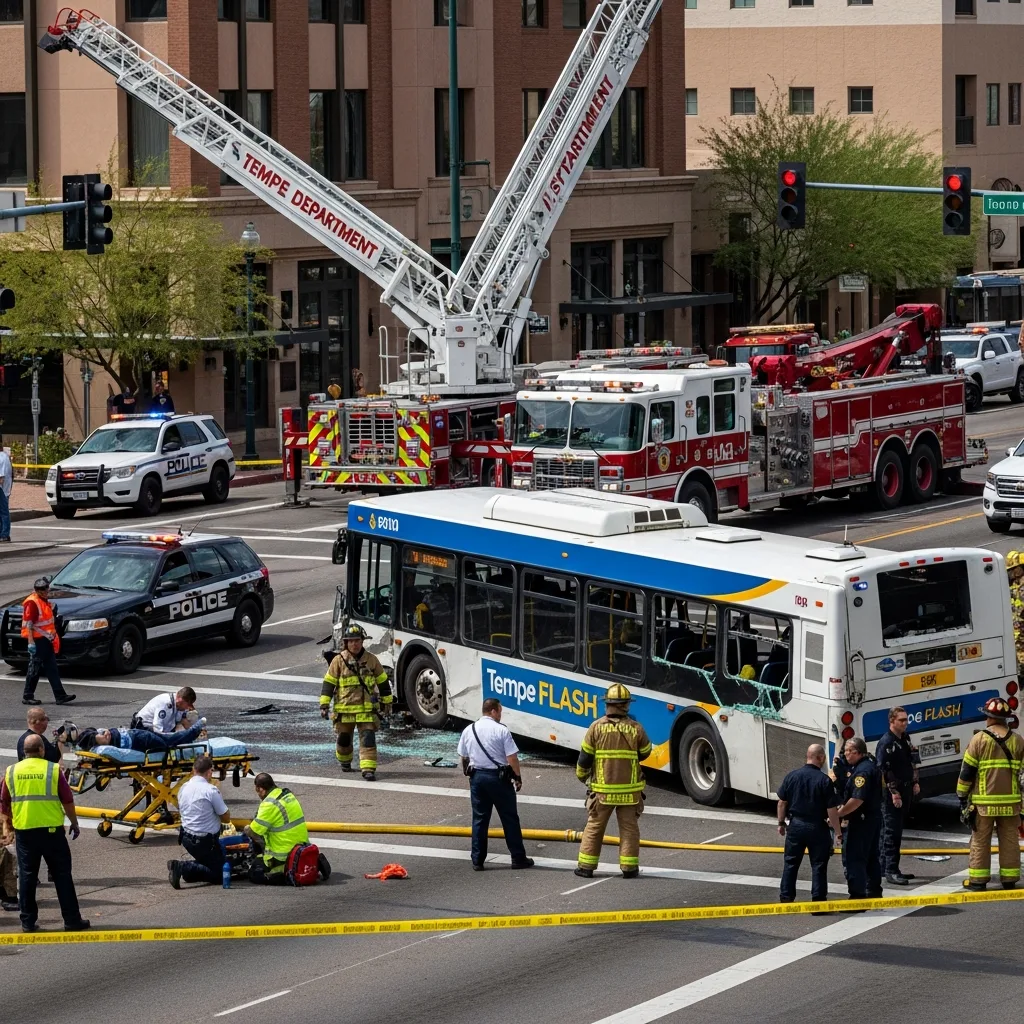
Arizona Bus Accident Laws: Statutes, Fault Rules and Deadlines
Navigating the legal aftermath of a bus accident in Arizona requires a comprehensive understanding of specific state laws, fault rules, and critical deadlines. These legal intricacies can significantly impact your ability to recover compensation, making expert legal guidance essential.
Statute of Limitations
In Arizona, the statute of limitations for most personal injury claims, including bus accidents, is generally two years from the date of the injury. This is codified under Arizona Revised Statutes (A.R.S.) § 12-542. This means you typically have two years to file a lawsuit in civil court. If you fail to file within this timeframe, you almost certainly lose your right to pursue compensation, regardless of the merits of your case.
However, bus accidents can involve unique circumstances that alter this standard deadline. If the bus is operated by a governmental entity (such as Valley Metro, a school district, or an ASU-operated shuttle), a much shorter and stricter deadline applies. Under A.R.S. § 12-821.01, you must file a Notice of Claim with the responsible governmental entity within 180 days (approximately six months) of the incident. This notice must be incredibly specific, detailing the facts of the claim, the amount of money you are seeking, and the basis for that amount. Failing to submit this formal notice within the 180-day window will result in the forfeiture of your claim against the governmental entity. Identifying whether a bus is privately or publicly operated is a critical first step, and an experienced attorney can quickly determine this distinction.
Arizona's Pure Comparative Fault Rule
Arizona follows a system of pure comparative fault (also known as pure comparative negligence), as outlined in A.R.S. § 12-2505. This rule dictates that a plaintiff's ability to recover damages is reduced by their percentage of fault in causing the accident. Unlike some states that bar recovery if a plaintiff is 50% or more at fault, Arizona allows you to recover damages even if you are found to be 99% at fault.
For example, if you are awarded $100,000 in damages but are found to be 20% at fault for the bus accident, your compensation will be reduced by 20%, meaning you would receive $80,000. If you were found 70% at fault, you would receive $30,000. This rule is particularly relevant in bus accidents where multiple parties might share responsibility. Insurance companies and defense attorneys will often attempt to shift blame to the victim to reduce their payout. An attorney is crucial for defending against such claims and ensuring that your percentage of fault, if any, is fairly assessed.
Specific Statutes and Regulations
Beyond general personal injury laws, bus accidents are governed by specific regulations due to their nature as commercial vehicles and common carriers:
- Common Carrier Duty of Care: Bus companies, as "common carriers," owe a higher duty of care to their passengers than typical drivers. They are expected to exercise the highest degree of care, diligence, and foresight for the safety of their passengers. Failure to meet this standard can be a strong basis for a negligence claim.
- Federal Motor Carrier Safety Regulations (FMCSA): Buses involved in interstate commerce, and many intrastate carriers, must adhere to strict federal regulations regarding driver qualifications, hours of service, vehicle maintenance, inspections, and drug/alcohol testing. Violations of these rules can indicate negligence and contribute to liability.
- Arizona Department of Transportation (ADOT) Regulations: Arizona has its own set of regulations for commercial vehicles and bus operations within the state, often mirroring or supplementing federal guidelines. These cover aspects like licensing, vehicle registration, and safety inspections.
- Negligence and Vicarious Liability: Bus companies can be held vicariously liable for the negligent actions of their drivers if those actions occurred within the scope of employment. They can also be directly liable for their own negligence, such as negligent hiring, inadequate training, poor maintenance, or unrealistic scheduling that encourages driver fatigue.
Insurance Minimums
While Arizona mandates minimum liability insurance for personal vehicles (currently $25,000 per person for bodily injury, $50,000 per accident for bodily injury, and $15,000 for property damage), commercial buses are required to carry significantly higher insurance policy limits due to the potential for severe injuries and multiple victims. These policies can range into the millions of dollars. However, dealing with large commercial insurance carriers is notoriously challenging. They have vast resources and strategies to minimize payouts, making it imperative to have an attorney who can effectively negotiate and litigate against them.
Understanding and meticulously adhering to these Arizona laws and deadlines is paramount for a successful bus accident claim. The legal team at AccidentLegalForce possesses the in-depth knowledge and experience necessary to navigate these complexities, protect your rights, and ensure your claim is pursued effectively under Arizona law.
---
Common Injuries from Bus Accident Accidents in Tempe
Bus accidents, by their very nature, involve substantial force due to the immense size and weight of the vehicle. Whether you were a passenger on the bus, in another vehicle, a pedestrian, or a cyclist, the resulting injuries can be catastrophic, leading to long-term physical, emotional, and financial challenges. In the densely populated environment of Tempe, where such accidents are unfortunately not uncommon, understanding the potential impact of these injuries is crucial for victims seeking comprehensive compensation.
Here are some of the most common and severe injuries sustained in bus accidents:
- Traumatic Brain Injuries (TBIs): The sudden impact, whiplash, or direct head trauma from striking an object within the bus or a vehicle's interior can cause TBIs ranging from mild concussions to severe brain damage.
- Symptoms: Headaches, dizziness, confusion, memory loss, difficulty concentrating, mood changes, seizures, and even coma.
- Long-Term Impact: TBIs can lead to permanent cognitive impairments, speech difficulties, motor control issues, personality changes, and chronic pain, requiring extensive rehabilitation and lifelong care.
- Treatment Costs: Diagnosis (CT scans, MRIs), emergency care, neurosurgery, ongoing neurological consultations, physical therapy, occupational therapy, speech therapy, and psychological counseling can be astronomically expensive.
- Spinal Cord Injuries (SCIs): The violent forces in a bus crash can compress, fracture, or sever vertebrae, leading to devastating spinal cord damage.
- Symptoms: Intense back or neck pain, numbness, tingling, weakness, or complete paralysis below the site of injury.
- Long-Term Impact: SCIs can result in partial or complete paralysis (paraplegia or quadriplegia), requiring wheelchairs, assistive devices, and round-the-clock personal care. Victims often face secondary complications like pressure sores, bladder and bowel dysfunction, and respiratory issues.
- Treatment Costs: Initial stabilization surgery, extensive rehabilitation, adaptive equipment, home modifications, and ongoing medical management represent some of the highest lifetime care costs for any injury.
- Fractures and Broken Bones: The blunt force trauma from a bus collision can cause multiple fractures throughout the body.
- Types: Simple fractures, compound fractures, comminuted fractures (bone shattered into many pieces), and crush injuries. Common sites include limbs, ribs, pelvis, and facial bones.
- Long-Term Impact: Fractures can require multiple surgeries, internal fixation (plates, screws), external fixation, and prolonged immobilization. Even after healing, victims may experience chronic pain, limited range of motion, arthritis, or permanent deformity.
- Treatment Costs: Emergency room visits, X-rays, MRIs, surgery, casting, pain medication, and physical therapy are standard. Complications can necessitate further interventions.
- Soft Tissue Injuries: While often dismissed as "minor," severe soft tissue injuries can be incredibly debilitating.
- Types: Whiplash (neck strains/sprains), muscle tears, ligament damage (e.g., knee, shoulder), herniated or bulging discs in the spine, and internal organ damage.
- Long-Term Impact: Chronic pain, reduced mobility, recurring spasms, and persistent discomfort can significantly impact daily life and work capacity. Internal injuries may not manifest immediately but can lead to life-threatening complications if untreated.
- Treatment Costs: Physical therapy, chiropractic care, pain management injections, medication, and in some cases, surgery.
- Burns: Although less common, fires, explosions, or contact with hot liquids or surfaces can occur in bus accidents, leading to severe burns.
- Types: First, second, or third-degree burns, which can damage skin, muscle, and even bone.
- Long-Term Impact: Extensive scarring, disfigurement, nerve damage, chronic pain, limited joint mobility, and a high risk of infection. Severe burns often require multiple skin grafts and reconstructive surgeries.
- Treatment Costs: Specialized burn unit care, extensive surgeries, wound care, physical therapy, and psychological counseling for trauma and body image issues are exceptionally high.
- Post-Traumatic Stress Disorder (PTSD) and Psychological Trauma: The sheer terror and violence of a bus accident can leave deep psychological scars, even if physical injuries are not severe.
- Symptoms: Flashbacks, nightmares, severe anxiety, depression, panic attacks, avoidance behaviors, and difficulty sleeping.
- Long-Term Impact: PTSD can profoundly affect mental health, relationships, employment, and overall quality of life, often requiring long-term therapy and medication.
- Treatment Costs: Counseling, psychotherapy, psychiatric evaluation, and prescription medications.
The costs associated with treating these injuries are staggering, often extending far beyond initial emergency care to include ongoing rehabilitation, home health care, adaptive equipment, and lost income due to inability to work. At AccidentLegalForce.com, our Tempe bus accident attorneys work with medical and financial experts to meticulously document all current and future medical expenses, lost wages, and pain and suffering, ensuring your claim reflects the true, comprehensive impact of your injuries. We are dedicated to securing the full compensation you need to cover these costs and rebuild your life.
---
Compensation Available for Tempe Bus Accident Victims
A bus accident can leave victims with more than just physical pain; it can inflict a heavy financial burden and emotional distress that impacts every aspect of their lives. In Tempe, Arizona, victims of bus accidents are entitled to seek various forms of compensation to cover these damages. Understanding what types of compensation are available under Arizona law is critical for ensuring you receive a fair and comprehensive settlement or verdict.
Generally, damages in personal injury cases are categorized into economic, non-economic, and in rare instances, punitive damages.
Economic Damages (Special Damages)
These are tangible, quantifiable losses that can be calculated with relative precision. They represent the direct financial impact of the bus accident on your life.
- Medical Expenses: This is often the largest component of economic damages. It includes:
- Emergency care: Ambulance rides, ER visits, immediate surgeries.
- Hospital stays: Inpatient care, ICU, post-operative recovery.
- Doctor visits: Consultations with specialists (orthopedists, neurologists, physical therapists).
- Prescription medications: Painkillers, anti-inflammatories, antibiotics.
- Rehabilitation: Physical therapy, occupational therapy, speech therapy, chiropractic care.
- Future medical care: Projections for ongoing treatment, surgeries, adaptive equipment, and long-term care needs.
- Lost Wages and Earning Capacity:
- Past lost wages: Income you've already lost due to time off work for recovery, appointments, or disability.
- Future lost earning capacity: If your injuries prevent you from returning to your previous job or working at the same capacity, you can seek compensation for the difference in your potential future earnings. This often requires vocational and economic expert testimony.
- Property Damage:
- Vehicle repair or replacement: Costs to fix or replace your car if it was involved in the collision.
- Damage to personal belongings: Items inside your vehicle or on your person that were destroyed or damaged (e.g., phone, laptop, glasses).
- Other Out-of-Pocket Expenses:
- Travel expenses: To and from medical appointments.
- Home modifications: If your injuries require changes to your home (e.g., ramps, wider doorways).
- Domestic services: Costs for household tasks you can no longer perform (e.g., cleaning, lawn care).
Non-Economic Damages (General Damages)
These are subjective, non-monetary losses that are more challenging to quantify but are equally significant. They compensate for the intangible suffering and diminished quality of life caused by the accident.
- Pain and Suffering: This encompasses the physical pain and discomfort you have endured and will continue to endure as a result of your injuries. This includes chronic pain, discomfort from treatment, and the general unpleasantness of living with an injury.
- Emotional Distress/Mental Anguish: The psychological impact of the accident, such as anxiety, depression, fear, anger, humiliation, or the development of conditions like PTSD. This is particularly relevant in traumatic incidents like bus crashes.
- Loss of Enjoyment of Life: Compensation for your inability to participate in hobbies, recreational activities, social events, or daily routines that you enjoyed before the accident. This could include sports, gardening, travel, or even simple walks.
- Disfigurement and Scarring: If the accident resulted in permanent visible scars or disfigurement, you can seek compensation for the emotional and social impact of these changes.
- Loss of Consortium: In certain cases, a spouse may seek damages for the loss of companionship, affection, intimacy, and assistance from their injured partner.
Punitive Damages
Under Arizona law (A.R.S. § 12-2503), punitive damages are rarely awarded in personal injury cases. They are not intended to compensate the victim but rather to punish the at-fault party for egregious conduct and to deter similar actions in the future. To be awarded punitive damages, you must prove by clear and convincing evidence that the defendant acted with an "evil mind," meaning they engaged in conduct that was malicious, oppressive, or with a conscious and deliberate disregard for the rights and safety of others.
Examples in a bus accident case might include:
- A bus company knowingly operating a vehicle with severe, unaddressed mechanical defects.
- A driver operating under the influence or with a history of gross negligence that the company ignored.
- Intentional misconduct on the part of the bus driver or company.
Settlement Ranges and Factors
It's impossible to give an exact settlement range without knowing the specifics of your case. The value of a bus accident claim in Tempe depends on numerous factors, including:
- Severity of injuries: Catastrophic injuries with long-term implications command higher compensation.
- Medical prognosis: Whether full recovery is expected or if permanent impairment is likely.
- Clear establishment of fault: The stronger the evidence against the at-fault party, the higher the potential compensation.
- Insurance policy limits: The amount of insurance coverage available from the at-fault parties.
- Impact on quality of life: The extent to which the injuries have affected your daily activities, work, and relationships.
- Jurisdiction: While Tempe cases are handled in Maricopa County Superior Court, different judges and juries can influence outcomes.
Our experienced Tempe bus accident attorneys at AccidentLegalForce are experts at evaluating all these factors. We meticulously calculate the full extent of your economic and non-economic damages, leveraging medical and financial experts when necessary, to ensure your claim is valued accurately. We then aggressively negotiate with insurance companies and, if necessary, litigate in court to secure the maximum compensation you are rightfully owed for your suffering and losses.
---
How Our Tempe Bus Accident Attorney Team Handles Your Case
When you've been involved in a bus accident in Tempe, the path to recovery and justice can seem daunting. At AccidentLegalForce.com, our dedicated team understands the challenges you face and is prepared to guide you through every step of the legal process with expertise, empathy, and unwavering commitment. We handle the complexities so you can focus on healing.
Here's how our Tempe bus accident attorney team typically handles your case:
1. Free Initial Consultation and Case Evaluation
Your journey with us begins with a free, no-obligation consultation. During this initial meeting, we will:
- Listen attentively to your account of the accident, understanding the circumstances and how it has impacted your life.
- Review any immediate evidence you have (police report, photos, medical records).
- Provide an honest assessment of your legal options and the potential strength of your claim under Arizona law.
- Explain our contingency fee structure, ensuring you understand that there are no upfront costs, and we only get paid if we win your case.
This crucial first step allows us to understand your situation and for you to understand how we can help, all without financial risk.
2. Thorough Investigation and Evidence Collection
Once you retain us, our team immediately launches a comprehensive investigation. This is a critical phase, especially in complex bus accident cases involving multiple potential liable parties. Our investigation includes:
- Scene Documentation: Visiting the accident site in Tempe to gather evidence, assess road conditions, and identify contributing factors.
- Police Reports: Obtaining and meticulously analyzing the official police report from the Tempe Police Department or Arizona Department of Public Safety (DPS).
- Witness Identification and Interviews: Locating and taking statements from eyewitnesses, including passengers, other drivers, and pedestrians.
- Bus Company Records: Subpoenaing critical documents such as the bus driver's logbooks, training records, employment history, drug and alcohol test results, and the bus's maintenance records.
- Bus "Black Box" Data: Accessing electronic data recorders (EDRs) from the bus, which can provide crucial information about speed, braking, and other vehicle parameters leading up to the crash.
- Surveillance Footage: Identifying and securing any available video footage from traffic cameras, nearby businesses, or even dashcams.
- Medical Records: Gathering all your medical records and bills to fully document the extent of your injuries and the costs of your treatment.
- Expert Consultation: Engaging accident reconstruction specialists, medical experts, vocational rehabilitation experts, and economic experts to strengthen your case and accurately assess future damages.
3. Calculating Damages and Building a Strong Claim
With a thorough understanding of your injuries and the accident's impact, we meticulously calculate the full extent of your damages, both economic and non-economic. This involves:
- Working with your doctors to understand your prognosis and future medical needs.
- Consulting with vocational and economic experts to determine lost earning capacity.
- Quantifying pain, suffering, emotional distress, and loss of enjoyment of life.
We then compile all this information into a compelling claim designed to maximize your compensation.
4. Demand Letter and Negotiation with Insurance Companies
Once we have a complete picture of your damages and a strong evidentiary basis, we prepare and submit a detailed demand letter to the at-fault party's insurance company (or companies). This letter outlines the facts of the accident, the extent of your injuries, the applicable Arizona laws, and the compensation we are seeking.
- Our attorneys then engage in aggressive negotiations with the insurance adjusters. We leverage our investigation and legal expertise to counter their attempts to minimize your claim, refute allegations of comparative fault, and push for a fair settlement that fully compensates you.
- We handle all communications, protecting you from intrusive questioning and tactics designed to undermine your claim.
5. Litigation: Filing a Lawsuit and Preparing for Trial
If negotiations do not result in a fair settlement, we are fully prepared to take your case to court. This involves:
- Filing a Lawsuit: Initiating legal proceedings by filing a formal complaint in the appropriate Arizona court (e.g., Maricopa County Superior Court).
- Discovery: A formal legal process where both sides exchange information, including depositions (out-of-court sworn testimony), interrogatories (written questions), and requests for documents.
- Motions: Filing and responding to various legal motions.
- Mediation/Arbitration: Many courts in Arizona mandate alternative dispute resolution (ADR) processes like mediation or arbitration before a trial. We expertly represent you in these forums, aiming for a favorable resolution.
- Trial Preparation: If a settlement isn't reached, we meticulously prepare for trial, selecting a jury, preparing opening and closing statements, cross-examining witnesses, and presenting your case compellingly to a judge and jury. Our trial-ready approach often encourages fairer settlements from insurance companies who know we mean business.
6. Resolution: Settlement or Verdict
Whether through negotiation, mediation, or a trial verdict, our ultimate goal is to achieve the best possible outcome for you.
- If a settlement is reached, we ensure all legal documents are properly executed and you receive your compensation promptly.
- If your case goes to trial, we advocate fiercely on your behalf to secure a favorable verdict.
The timeline for a bus accident case can vary significantly, ranging from several months for straightforward settlements to several years for complex cases that go to trial. Throughout this entire process, our Tempe bus accident attorney team keeps you informed, explains every step, and remains accessible to answer your questions. Your well-being and successful recovery are our top priorities.
---
Why Choose AccidentLegalForce in Tempe
When you're facing the daunting aftermath of a bus accident in Tempe, choosing the right legal representation is the most critical decision you'll make. At AccidentLegalForce.com, we understand the unique challenges and profound impact these incidents have on victims and their families. Our firm stands out in Tempe for several compelling reasons, offering a level of service and expertise specifically tailored to your needs.
No Upfront Costs: Our Contingency Fee Promise
One of the biggest concerns for accident victims is the cost of legal representation, especially when facing mounting medical bills and lost income. At AccidentLegalForce, we operate on a contingency fee basis. This means:
- You pay nothing upfront: There are no hourly fees or retainers required to begin working on your case.
- We only get paid if you win: Our legal fees are a percentage of the compensation we successfully recover for you, whether through a settlement or a court verdict.
- Zero risk to you: If we don't win your case, you owe us nothing for our legal services.
This commitment ensures that high-quality legal representation is accessible to everyone, regardless of their current financial situation, leveling the playing field against powerful insurance companies and bus corporations.
Proven Trial Experience and Readiness
Many personal injury law firms prefer to settle cases out of court, sometimes at the expense of their clients' full compensation. While we strive for efficient resolutions, AccidentLegalForce is built on a foundation of proven trial experience. We prepare every case as if it will go to trial, which often sends a clear message to insurance companies that we are serious and will not back down.
- Aggressive Advocacy: Our readiness to litigate ensures we are not pressured into accepting lowball settlement offers. We will fight for the maximum compensation you deserve.
- Confidence in the Courtroom: Our attorneys are skilled litigators who are comfortable and effective in Arizona courtrooms, presenting complex evidence and arguments to judges and juries.
- Strategic Advantage: Opposing counsel knows which firms are willing to go to trial. Our reputation as fierce advocates often leads to more favorable settlement offers without the need for litigation.
Deep Local Court Knowledge in Tempe and Maricopa County
Tempe cases are typically heard in the Maricopa County Superior Court. Navigating the local legal system requires more than just knowing the law; it requires familiarity with the local environment. Our attorneys possess deep local court knowledge, including:
- Understanding of Local Procedures: We are intimately familiar with the specific rules, procedures, and expectations of the Maricopa County Superior Court and other relevant courts, such as the Tempe Justice Court.
- Relationships within the Legal Community: Our experience in Tempe means we have established professional relationships with local judges, court staff, and even opposing counsel, which can be invaluable in streamlining processes and understanding local nuances.
- Community Insight: We understand the local jurors, the socio-economic factors in Tempe, and how to present your case in a way that resonates with local decision-makers. This localized insight is a significant advantage in building and presenting your claim.
24/7 Availability and Client-Centered Communication
Bus accidents don't happen on a 9-to-5 schedule, and neither do our clients' needs. We offer 24/7 availability for urgent inquiries and ensure that you can reach our team when you need us most.
- Responsive Support: We pride ourselves on being highly responsive, recognizing that clear and consistent communication is paramount during a stressful time.
- Personalized Attention: You are not just another case file to us. We provide personalized attention, taking the time to understand your unique story, concerns, and goals.
- Transparent Updates: We keep you informed about the progress of your case at every stage, explaining legal jargon in plain language so you always know what to expect.
Choosing AccidentLegalForce means choosing a legal partner who is not only highly skilled and experienced in Arizona bus accident law but also deeply committed to your well-being. We combine our legal prowess with genuine empathy, working relentlessly to secure the justice and comprehensive compensation you need to move forward with your life after a devastating bus collision in Tempe.
---
What to Do After a Bus Accident in Tempe
The moments immediately following a bus accident can be disorienting and traumatic. However, the actions you take (or don't take) in the immediate aftermath can significantly impact your health, safety, and future legal claim. Knowing what steps to take can protect your rights and help build a strong case for compensation.
Here's a crucial guide on what to do after a bus accident in Tempe, Arizona:
1. Prioritize Safety and Call 911
- Ensure Safety: If possible and safe to do so, move yourself and any uninjured passengers to a safe location away from traffic.
- Call Emergency Services: Immediately call 911 to report the accident. Request both the police and emergency medical services (EMTs).
- Police Presence: A police report from the Tempe Police Department or Arizona Department of Public Safety (if on a freeway) is vital evidence. It will document the scene, gather witness statements, and often assign preliminary fault.
- Medical Assessment: Even if you feel fine, allow
Compensation You May Be Entitled To
Bus Accident Statistics in Arizona
Understanding the scope of bus accident accidents in Arizona helps victims know they are not alone — and why aggressive legal representation matters.
Recent Bus Accident Settlements in Tempe
These are representative results. Past results don't guarantee future outcomes.
Why Tempe Victims Choose AccidentLegalForce
When you are searching for a bus accident attorney in Tempe, you need more than just a lawyer — you need a fighter. Here is what sets us apart from other Arizona personal injury firms:
Zero upfront costs. We only get paid when you do. This means we are 100% motivated to maximize your settlement.
We start building your case the moment you call. Evidence disappears fast — we preserve it before it is gone.
Our attorneys know Arizona courts, judges, and insurance company tactics. We use this insider knowledge to win.
Your attorney is available 24/7. No waiting days for callbacks. Tempe clients get direct access to their legal team.
⚠️ Insurance Company Tactics to Watch Out For
Insurance adjusters in Arizona are trained to minimize your payout. After a bus accident in Tempe, watch out for these common tactics:
- Recorded statements — They will ask for a recorded statement early to use your words against you
- Quick lowball offers — An early settlement offer is almost always far below what your case is worth
- Delaying tactics — Stalling until Arizona's statute of limitations runs out
- Disputing medical treatment — Claiming your injuries were pre-existing or unnecessary
- Surveillance — Hiring investigators to find reasons to deny your claim
Do not face this alone. Call AccidentLegalForce immediately after your bus accident in Tempe.
Frequently Asked Questions
How much does a bus accident attorney cost in Tempe?
At AccidentLegalForce, we work on a contingency fee basis — you pay nothing unless we win your case. This means zero upfront costs for Tempe accident victims.
How long do I have to file a bus accident claim in Arizona?
Arizona has a statute of limitations for personal injury claims. It's critical to contact a bus accident attorney in Tempe as soon as possible to preserve evidence and meet all legal deadlines.
What compensation can I recover after a bus accident in Tempe?
Victims of bus accident accidents in Tempe may be entitled to medical expenses, lost wages, pain and suffering, property damage, and more. Our attorneys maximize every dollar of your claim.